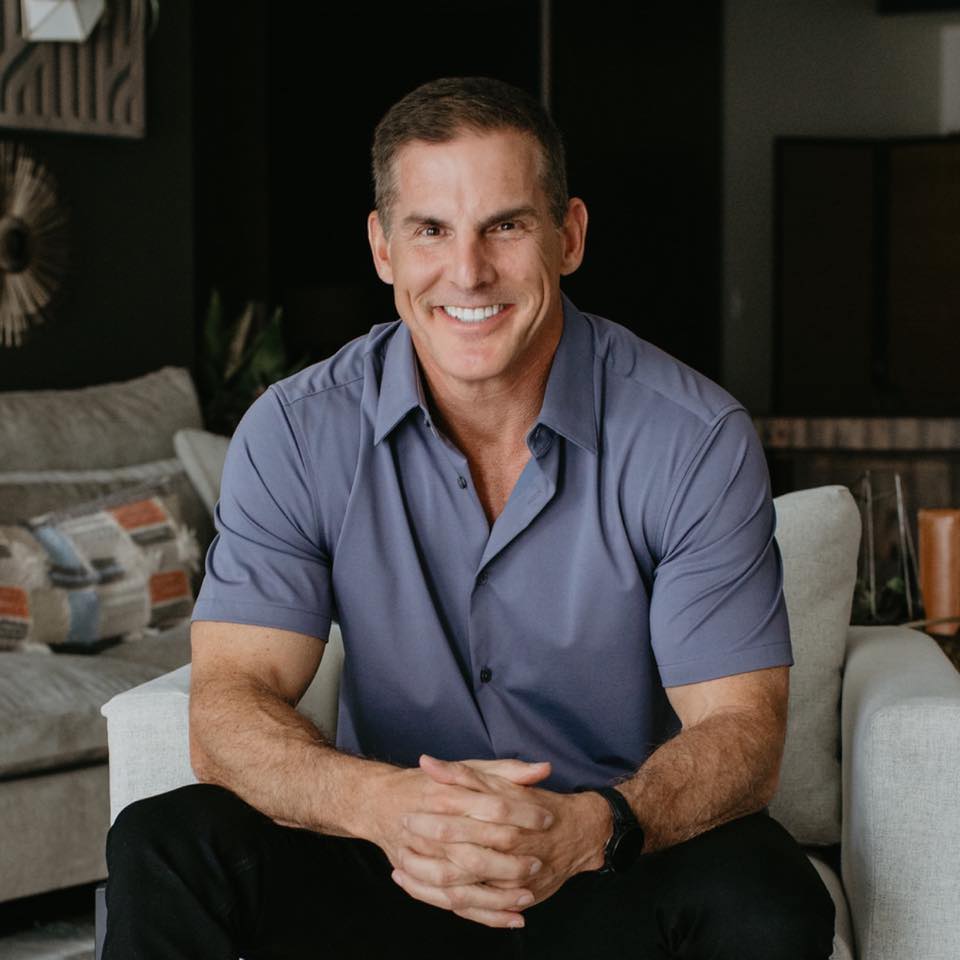
Pastor Craig Groeschel will no longer speak at Life Surge, adding another prominent departure as the Christian events company faces scrutiny over its financial education programs. His decision follows Boston Celtics Head Coach Joe Mazzulla's withdrawal and Tim Tebow's announcement that he is pausing his relationship with the organization while his team investigates allegations about its sales practices.
The departures raise a question that reaches beyond the speaker lineup: What do attendees believe a trusted Christian leader's presence says about the products being sold around them? Groeschel's announcement does not establish wrongdoing by Life Surge, which disputes the allegations. It does, however, place fresh attention on the relationship between an inspirational platform and the commercial offers made to its audience.
Life.Church spokesperson Rachel Feuerborn confirmed Groeschel's decision to ChurchLeaders, saying he was grateful for the opportunity to share his message at the events but would prioritize his church ministry. "He doesn't plan to speak at any upcoming events," she said. The statement did not provide a detailed account of his assessment of the allegations or announce an investigation by Life.Church.
Groeschel's withdrawal affects several advertised appearances. Religion News Service reported that he had been scheduled for events in Charlotte, Hartford, Tampa and Nashville this fall. ChurchLeaders also reported that his image remained on four 2026 event pages when its September 29 article was written, creating a potential gap between the advertised lineup and his confirmed plans.
The controversy intensified after a September 24 investigation by Mother Jones and Pablo Torre Finds Out. Former customers and employees described what they characterized as high-pressure efforts to sell expensive financial education. The investigation alleged that Christian messaging and celebrity appearances helped establish trust before attendees encountered offers for programs costing tens of thousands of dollars.
Life Surge's events provide the starting point for a series of educational offers. According to ChurchLeaders, attendees at the one-day gatherings can purchase follow-up "Impact Classes" covering subjects such as stock trading. Those three-day classes then offer opportunities to buy more expensive, in-depth courses. The disputed issue is how those purchases are presented and whether customers feel pressured to proceed.
The reported costs make that distinction consequential. RNS described advanced programs ranging from approximately $10,000 to $40,000. Life Surge told the investigators that fewer than 3% of event ticket purchasers enroll in advanced training beyond the Impact Class and cited a multiyear program costing approximately $27,000 over three years.
Some former customers alleged that they were encouraged to use credit cards, home equity or retirement funds to finance courses. Those accounts are allegations reported by the investigation, rather than findings established by the speakers' departures. They nevertheless explain why the controversy concerns more than disappointment with an event: customers described decisions with potentially substantial financial consequences.
Tebow has framed his response as a pause while he gathers facts. He called the allegations serious and said his team would investigate before deciding how to proceed. He also explained that his motivation for appearing at Life Surge had been the opportunity to share the gospel, highlighting the difference between a speaker's stated purpose and the broader commercial setting in which the message is delivered.
Mazzulla described a firmer withdrawal. He told The Boston Globe that he had completely backed out after learning of the allegations, emphasizing concern for people who reported being wronged and the responsibility to share faith ethically. Groeschel's announcement, meanwhile, confirms that he has no upcoming speaking plans. These are distinct decisions, even though all three reduce their involvement.
Life Surge has rejected the investigation's characterization of its practices. It says it does not condone using religious faith, fear or spiritual beliefs to pressure someone into purchasing a product. The company has also argued that the coverage did not adequately reflect positive student experiences, its compliance procedures or information supplied to the reporters.
CEO Jeremy Nosek defended the company's mission while acknowledging Tebow's right to pause his relationship. Life Surge's response emphasized its continuing respect for him and argued that questions about the business should not undermine his record of service. The company's position remains that the allegations fail to present the full picture of its work.
A separate legal matter involving Life Surge founder Joe Johnson requires careful distinction. ChurchLeaders reported that a Department of Justice lawsuit concerned a tax strategy promoted through his previous company, The Welfont Group. Johnson agreed to restrictions sought by the DOJ without admitting wrongdoing. Life Surge was neither a defendant nor accused of wrongdoing in that suit.
For Christian audiences, the practical question is how clearly an event distinguishes a speaker's ministry message from the financial programs offered afterward. A familiar pastor, athlete or artist can draw people into a room and help them feel comfortable there. That confidence makes clear information about costs, risks, refund terms and the scope of a speaker's involvement especially valuable.
Groeschel's departure gives the controversy another visible consequence, but the customers' experiences remain central. Life Surge disputes the allegations, and Tebow's review is still a review rather than a public finding. The next meaningful developments will be what further evidence emerges, how the company addresses the reported complaints and whether its remaining speakers clarify their own involvement.


