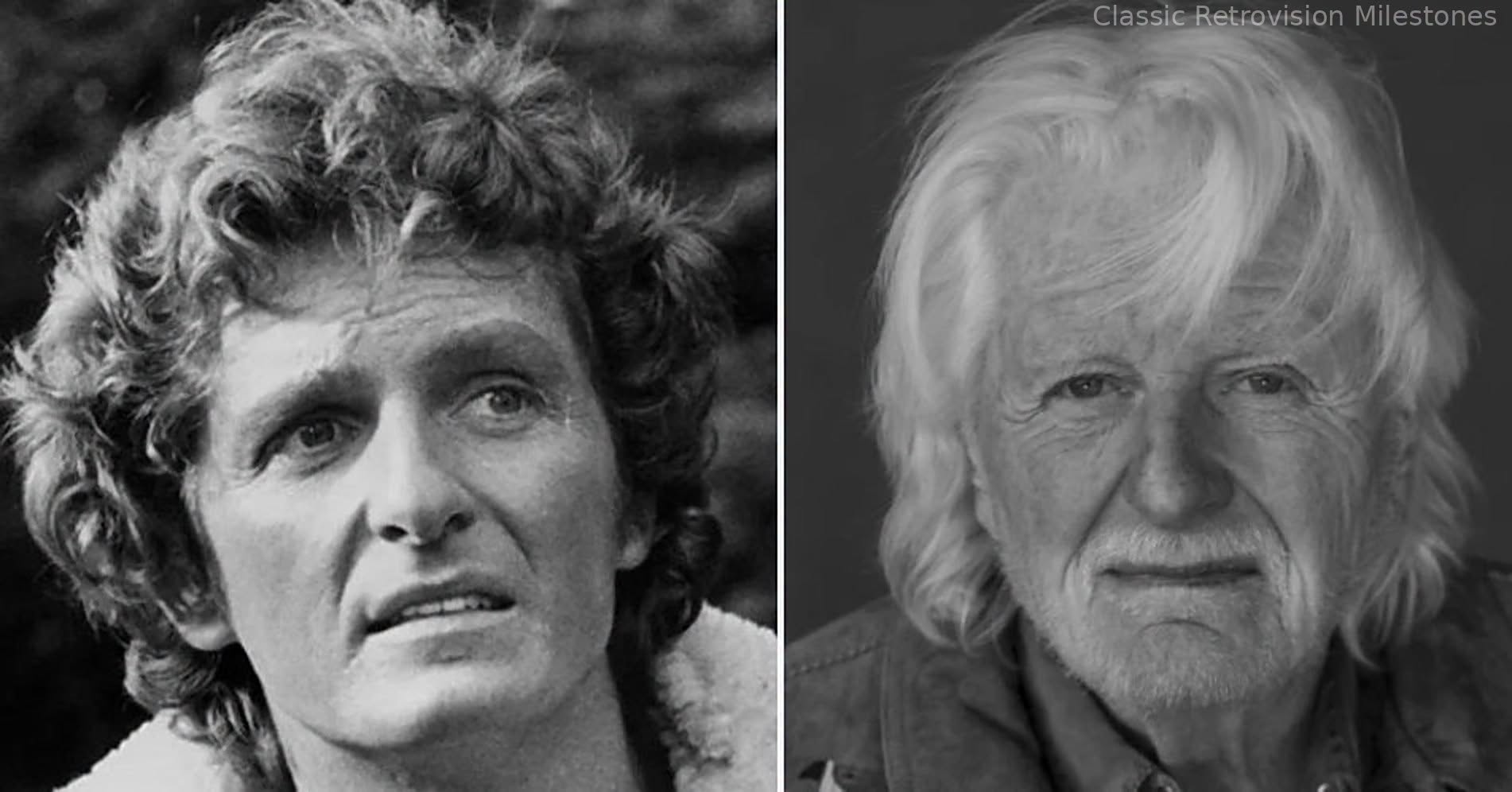
Marjoe Gortner, the child preaching sensation who later exposed the money-making methods of the revival circuit that made him famous, has died at 82. His passing brings renewed attention to a troubling question that runs through his extraordinary life: how did a child trained to perform sermons become celebrated as evidence of divine calling?
According to The Christian Post, documentary filmmaker Sarah Kernochan announced his death in a Facebook post on Saturday, writing that he had died the previous day. His wife, Susan Magestro, subsequently told Variety that Gortner died of congestive heart failure in Santa Fe, New Mexico.
Gortner became known as America's youngest ordained minister before building an acting career that included Earthquake and Starcrash. Yet his most consequential screen appearance was as himself in Marjoe, the Oscar-winning 1972 documentary that invited viewers behind the pulpit to witness the distance between his public preaching and his private convictions.
Born Hugh Marjoe Ross Gortner on January 14, 1944, in Long Beach, California, he received a name combining Mary and Joseph. His parents introduced him to audiences as a gifted child preacher, arranged his ordination at four and had him perform a marriage ceremony for a Paramount newsreel in 1949.
The spectacle offered audiences something almost irresistible: a small child delivering the language and gestures of an adult minister. Gortner's later account, however, challenged the spiritual explanation attached to those performances. He said his parents had taught him lengthy sermons and trained him in how to deliver them.
That distinction is central to his story. A child's ability to memorize a sermon and command a crowd does not establish that he understands the claims being made on his behalf. Gortner's recollections raise questions about who controlled his public identity, who benefited financially and whether the adults applauding him considered his welfare alongside his apparent gifts.
In her retrospective account, Kernochan described years of touring in which Gortner and his parents collected substantial offerings. The figure of approximately $3 million came from Gortner's own reckoning; her account also said his father departed with the money. Those claims belong to the history as Gortner and Kernochan presented it, rather than to an independently audited financial record.
His adult return to preaching made the story more complicated. Gortner acknowledged that he went back to the revival circuit for money despite lacking the belief his audiences assumed he possessed. The former child performer was now participating knowingly in the system he would eventually expose.
For Marjoe, he allowed filmmakers to document that contradiction. Scenes of preaching were set alongside backstage explanations and the counting of money, giving viewers access to conduct normally concealed from worshipers. The film asked audiences to reconsider what a persuasive religious performance could actually prove.
Its force came partly from Gortner's willingness to implicate himself. He was revealing techniques he had used and accepting that people had responded sincerely to performances he did not sincerely believe. His disclosures therefore invite scrutiny of his own choices as well as those of the adults who shaped his childhood.
For Christian readers, the story presents an uncomfortable question about accountability: what happens when a congregation treats charisma, emotional intensity or an unusual personal story as sufficient evidence of spiritual authority? Gortner's account illustrates how readily an audience's expectations can reinforce a performer's credibility without establishing the truth of his claims.
The documentary's focus also requires precision. Its portrayal of Gortner and the revival settings he entered cannot establish that every Pentecostal minister, revival meeting or expression of religious emotion is fraudulent. Its challenge is more specific: sincere worshipers can be vulnerable to manipulation when those holding the microphone face too little scrutiny.
Gortner's decision to make the film had a professional dimension, too. Kernochan said he hoped it would help launch an acting career, and he subsequently appeared in Hollywood productions. His departure from the pulpit therefore involved another move toward the spotlight, leaving viewers to weigh confession, ambition and exposure together.
Magestro's remembrance emphasized his imagination and ability to bring people together. That personal tribute adds another perspective to a public life often reduced to the sensational image of a child evangelist or the controversy of his documentary.
Gortner leaves a legacy that resists an uncomplicated obituary. He was a child whose talents were packaged by adults, a preacher who admitted performing without belief and a filmmaker's subject who helped reveal his own deception. His death returns attention to the question his story continues to press upon religious audiences: when a performance feels convincing, what evidence supports the authority behind it?


