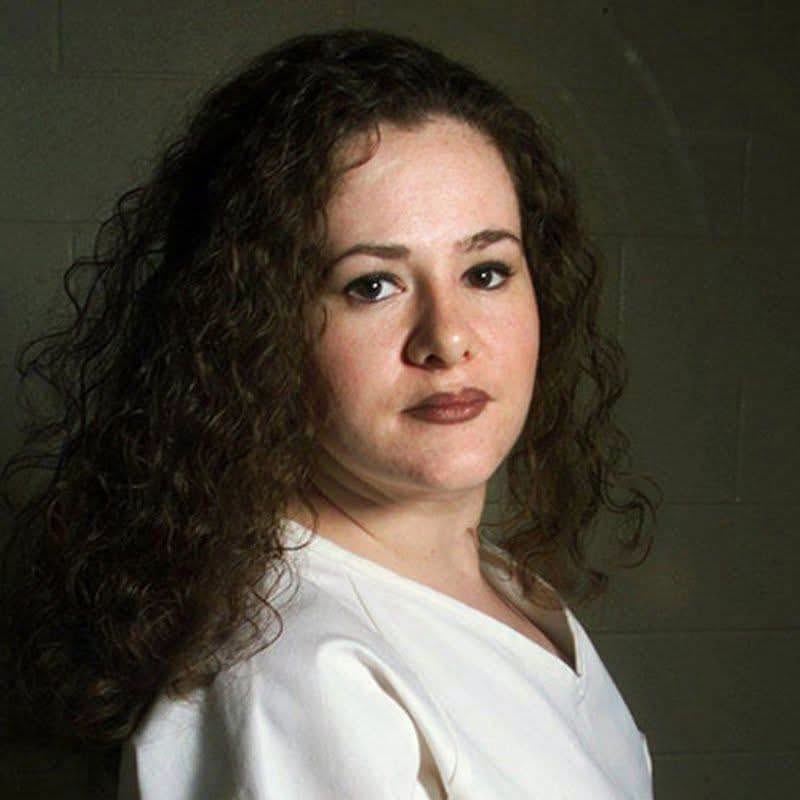
Christa Pike is awake and speaking, but the mother of the young woman she murdered is confronting another painful uncertainty: whether Tennessee will ever carry out her death sentence. More than three decades after Colleen Slemmer's killing, May Martinez says she expected Pike to survive the execution attempt-and fears another attempt could end the same way.
According to the New York Post's account of her interview with WBIR, Martinez said she had believed all along that Pike would not die. Her reaction brings the victim's family back into a story increasingly dominated by the convicted killer's medical recovery and questions about the state's execution procedures. For Martinez, those developments concern the woman responsible for taking her daughter's life.
Pike, 50, survived Tennessee's September 30 execution attempt after receiving two doses of pentobarbital. Her attorneys announced on October 6 that she was conscious and speaking. She was sentenced to death for the 1995 murder of Slemmer, who was 19, and would have been the first woman executed in Tennessee in more than 200 years.
Martinez's latest comments expose a difficult question beneath the extraordinary headlines: what happens to a victim's family when an execution they have awaited for decades becomes another unresolved chapter? The state attempted to impose its ultimate punishment, yet the result has left the family facing renewed uncertainty about what comes next.
That uncertainty extends beyond the hospital. Tennessee Governor Bill Lee halted further executions for the remainder of 2026 following the failed attempt. Pike's lawyers are seeking commutation of her sentence, while questions surrounding her condition and the execution's failure remain unresolved. Her survival does not itself establish whether another attempt will occur.
For Christian readers, the case raises uncomfortable questions about justice, mercy, and the treatment of bereaved families. Concern about Pike's suffering must leave room for sustained attention to Slemmer's life and the devastating loss her family endured. Compassion becomes incomplete when the person who was murdered appears only as background to the offender's story.
Martinez's anger should also be approached with humility. Christian language about forgiveness can become painfully intrusive when outsiders use it to tell a grieving mother how she should feel. Forgiveness, accountability, and support for a particular punishment are distinct questions; none should be reduced to a test of whether a victim's relative is sufficiently faithful.
Christians disagree about capital punishment, including how biblical teaching on public justice relates to mercy and the sanctity of life. Pike's survival will intensify that debate, but claims that it represents divine intervention go beyond what anyone can establish. A failed execution cannot, by itself, reveal God's judgment on the prisoner, the sentence, or the people seeking its enforcement.
The immediate responsibility is more concrete: demand a truthful account of what happened, scrutinize the state's actions, and ensure that the victim's family receives clear information and meaningful support. Their needs continue regardless of whether another execution is scheduled.
As attention follows Pike's recovery, Martinez's words insist that another story remains unfinished. Colleen Slemmer was 19 when she was killed. More than 30 years later, her mother is still waiting-and Tennessee now faces questions about both its failed execution and its responsibility to the family left behind.


