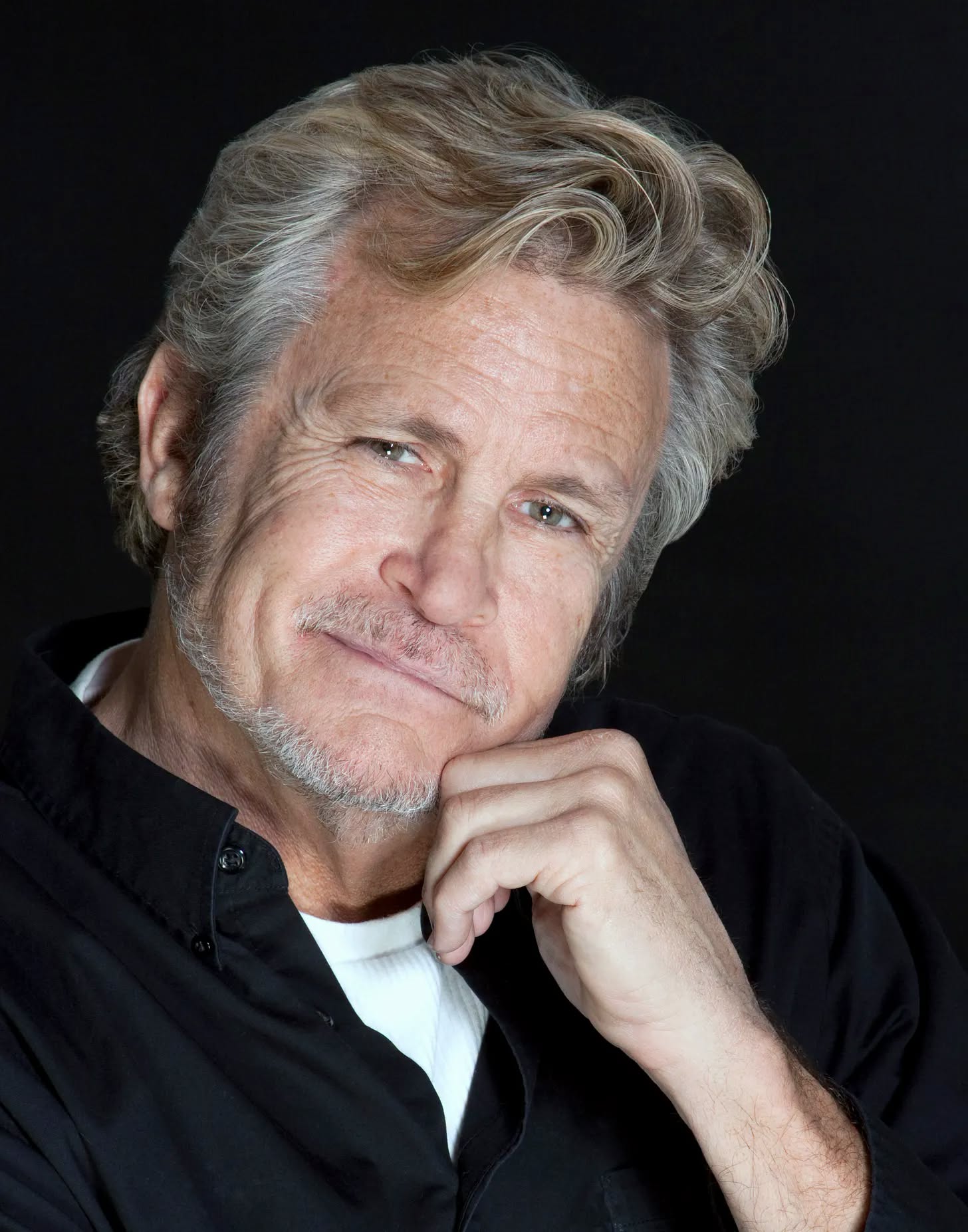
Michael Kearns was days away from returning to a theater where he had helped push uncomfortable truths into the spotlight. His death at 76 has now given that planned appearance a heartbreaking significance, closing the life of an actor whose most consequential performances challenged what Hollywood-and its audiences-were willing to acknowledge.
The actor, playwright and AIDS activist, known to screen audiences through Cheers, Body Double and Beverly Hills, 90210, died on Monday, October 5. Just six days later, he was scheduled to participate in a special event at Los Angeles' Celebration Theatre, revisiting the LGBTQ+ theater history he had helped shape.
The engagement was part of the Circa: Queer Histories Festival and fell on October 11, National Coming Out Day. Kearns was due to join longtime colleague Joe Gill for "Art in the Revolution: Queer Theatre in 1982 and Today," bringing an earlier generation's theatrical work into conversation with the present. His absence leaves a poignant question hanging over the occasion: how much of that history can younger audiences understand without hearing from the people who lived it?
For Kearns, that history was inseparable from choices he made publicly. He became one of Hollywood's earliest openly gay actors, then disclosed his HIV-positive status in 1991. Those decisions placed his own life inside a public conversation shaped by fear, prejudice and silence, years before openly discussing sexuality and HIV became more familiar in entertainment coverage.
His television and film appearances made him recognizable, but theater offered room for the experiences that mainstream entertainment often struggled to address. Kearns directed the 1986 premiere of Robert Chesley's Jerker, a work associated with the emotional and sexual lives of gay men during the AIDS crisis. He also co-founded Artists Confronting AIDS, connecting artistic expression with advocacy.
His solo work Intimacies left a particularly strong impression on journalist Karen Ocamb, who recalled seeing him embody six characters through a performance that transformed her understanding of his work. Her remembrance presents a man who could confront devastating subjects while retaining humor, warmth and an appetite for conversation. Their friendship grew through a shared commitment to responding to AIDS.
The circumstances surrounding his final days add another painful dimension. Friend and filmmaker Roland Palencia said Kearns had made repeated emergency-room visits in recent months and called paramedics after feeling unwell on Sunday, the day before he died. Palencia also remembered their regular trips to the movies-a friendship sustained through an ordinary pleasure beyond Kearns' public identity.
No specific cause of death has been publicly disclosed. His history of HIV advocacy should therefore remain distinct from any explanation of his death, which has not been established in the available reporting.
Away from the stage, Kearns' life included loss and the determination to build a family. He married Philip Juwig in 1992; Juwig died later that year. Kearns subsequently pursued fatherhood, adopting a daughter despite the obstacles friends believed a single gay man living with HIV would face. Ocamb recalled his delight in introducing his baby to the people around him.
His daughter, initially known as Tia and later Katherine, became central to that personal story. Fatherhood extended the questions surrounding his public work into everyday life: who could form a family, who would be trusted to care for a child, and whose love would be recognized? Her presence in his life gave those questions a human answer beyond the stage.
The planned Celebration Theatre appearance now draws these strands together. Kearns was preparing to revisit work born from a period of fear and extraordinary loss, bringing his experience to an audience living in a different moment. His death means that return will never happen, but it also sharpens the reason the event mattered: the history he helped tell still needs people willing to listen.


