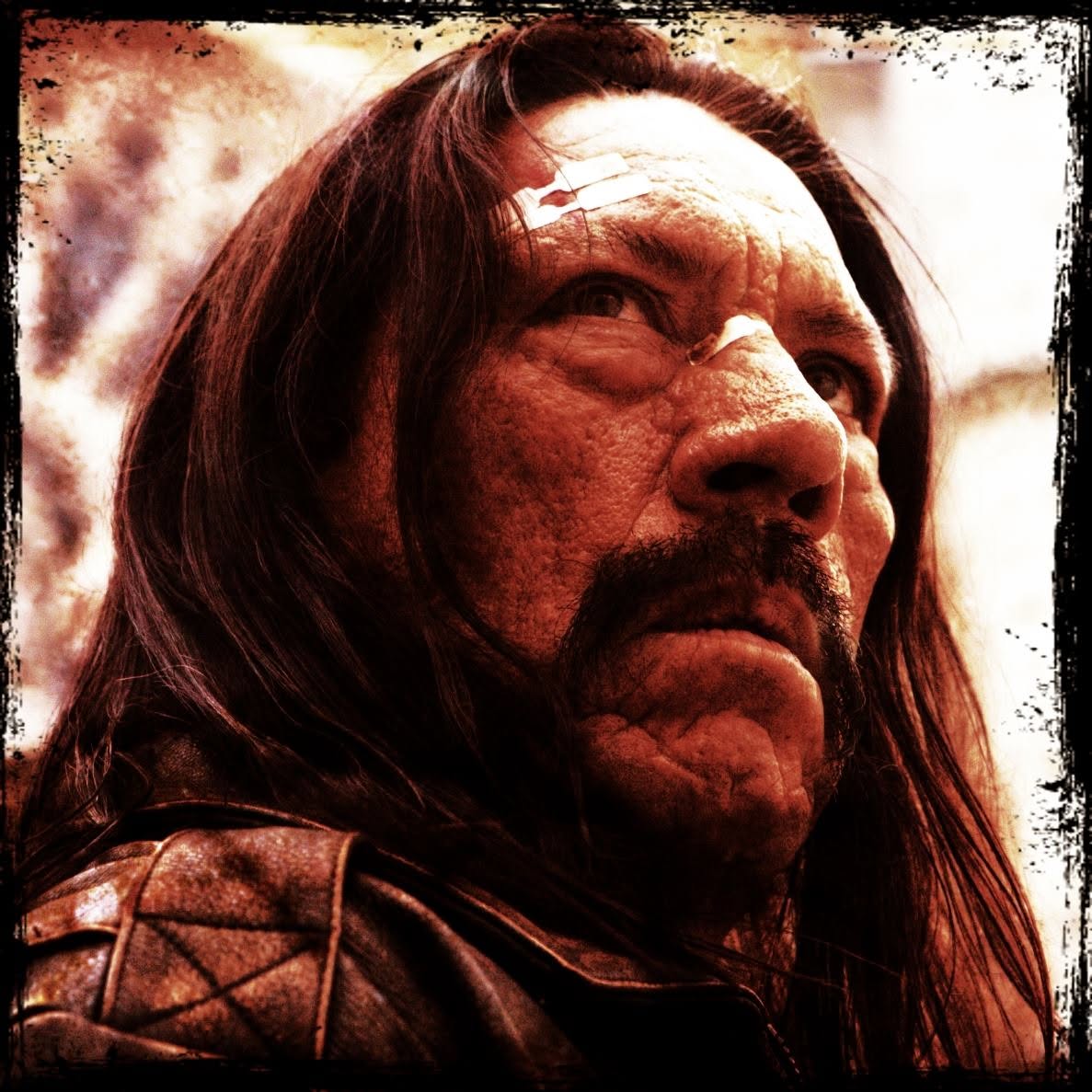
Danny Trejo is defending his involvement in Pawn Shop, a controversial production from Ben Shapiro's Daily Wire and Dallas Sonnier's Bonfire Legend, after questions emerged about how the role fits with his public support for immigrants. His response puts a difficult issue at the center of the debate: how closely should audiences connect an actor's participation in a film with the politics attributed to it?
"I am also obviously pro-immigrant. I am not pro-ICE," Trejo said in remarks reported by TheWrap. Addressing the criticism, he added: "My job is to tell a story."
According to the report, Trejo stars alongside Harvey Keitel and plays a Latino veteran whose family-owned pawn shop shelters an ICE agent during unrest surrounding immigration enforcement. Trejo reportedly found the character's positive portrayal appealing. That explanation identifies what attracted him to the part, while leaving room for audiences to question how the character functions within the wider story.
The controversy extends beyond casting. TheWrap reports that the production has been described as pro-ICE and includes a scene resembling the January killing of Renée Good. Those descriptions concern the film's reported content; they should not be treated as statements of Trejo's personal beliefs or as a substitute for assessing the completed movie.
The central question is whether a sympathetic individual role resolves concerns about the surrounding narrative. A character can offer meaningful representation while appearing in a story whose broader message remains contested. Trejo's defense therefore invites scrutiny of both the part he accepted and the perspective the finished film ultimately presents.
Local objections have also complicated production. Filming permits were temporarily suspended amid complaints about simulated gunfire, street closures, and insufficient information provided to residents. TheWrap reports that filming resumed October 6 following a local hearing. These disputes add another dimension to a project already drawing political attention.
Trejo has now made his position on immigration enforcement explicit. What remains open is whether viewers will accept his account of the role once they can see how it fits into the film. Until then, the most revealing debate concerns the relationship between artistic participation, public identity, and the message audiences believe a production carries.


