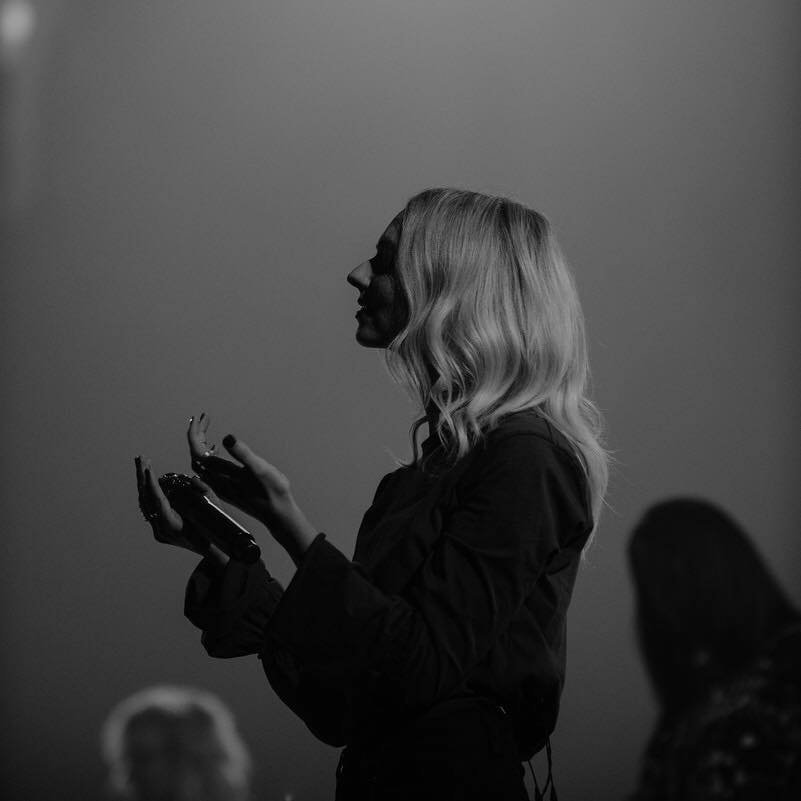
Tiffany Hudson has offered a surprising explanation of her calling: the worship leader and songwriter does not define it primarily by leading worship. Speaking with Rich Wilkerson Jr. on Mature Me, she described a deeper commitment that she believes would remain even if her voice, responsibilities, or opportunities changed.
"I don't feel called to lead worship. I feel called to His presence," Hudson explained in the episode, which premiered October 21, 2026. Recorded at Bondi Beach, Australia, the conversation explored an uncomfortable question for anyone in ministry: what happens when the work people recognize becomes the foundation of their identity?
Hudson's explanation came from her earliest experiences in church. Growing up in a ministry family, she and her sister began leading youth worship because someone needed to do it, learning a handful of keyboard chords and serving a small group.
What began as filling a practical need developed into a love for worship itself. Hudson described music as a particularly meaningful way she experiences God's presence, while acknowledging that the public role she currently occupies might look different in another season.
She raised the possibility of losing her voice or stepping back during motherhood as examples of circumstances that could change how she serves. Her account places the lasting commitment in her relationship with God, with the platform dependent on the season.
That distinction carries particular weight alongside another admission: Hudson once questioned her songwriting calling because nobody seemed interested in her songs. Looking back at her college years, she acknowledged that discouragement had mixed with expectations that her work should already be receiving recognition.
She now considers those early songs mediocre and recognizes the value of having time to develop. At the time, however, the absence of visible results led her to wonder whether she had misunderstood her gifts.
The turning point arrived in an unexpectedly exposed setting. After joining Elevation, Hudson attended a staff lunch with Pastor Steven and approximately 20 colleagues, where she asked what someone should do when they feel called but see no fruit.
Pressed to explain, she admitted that she wanted to write songs but doubted their quality. The response was immediate: did she have a song, and could she sing it?
Hudson recalled standing up and singing unaccompanied in front of the group, moving from the chorus to the bridge when asked. A few weeks later, she received an invitation to write with the team.
The song itself never became a release, she said, but the moment opened a door. Her telling emphasizes the preparation that made her ready to respond: she had continued writing even when she could not see where it would lead.
The interview's sharpest challenge concerned what happens away from those opportunities. Hudson said learning to recognize God's voice belongs in private devotion, so that public ministry grows from an existing relationship.
Motherhood has made that practice less picturesque. She described moving beyond the expectation that meaningful time with God always requires a candle, journal, blanket, and uninterrupted quiet; sometimes it now happens while washing dishes or opening her Bible beside a toddler who needs her attention.
She nevertheless urged listeners to protect that relationship with intention. Changing circumstances, in her account, call for different rhythms while preserving the priority of prayer and Scripture.
Hudson also acknowledged areas where she wants to mature, including prioritizing her marriage during busy seasons and setting stronger boundaries around her phone. Those admissions give practical weight to her wider point: a public ministry does not remove the need to examine how everyday time and attention are spent.
Her statement about worship ultimately asks a searching question of Christian success. If the microphone disappeared, would the relationship that first made someone want to sing still receive their time?


