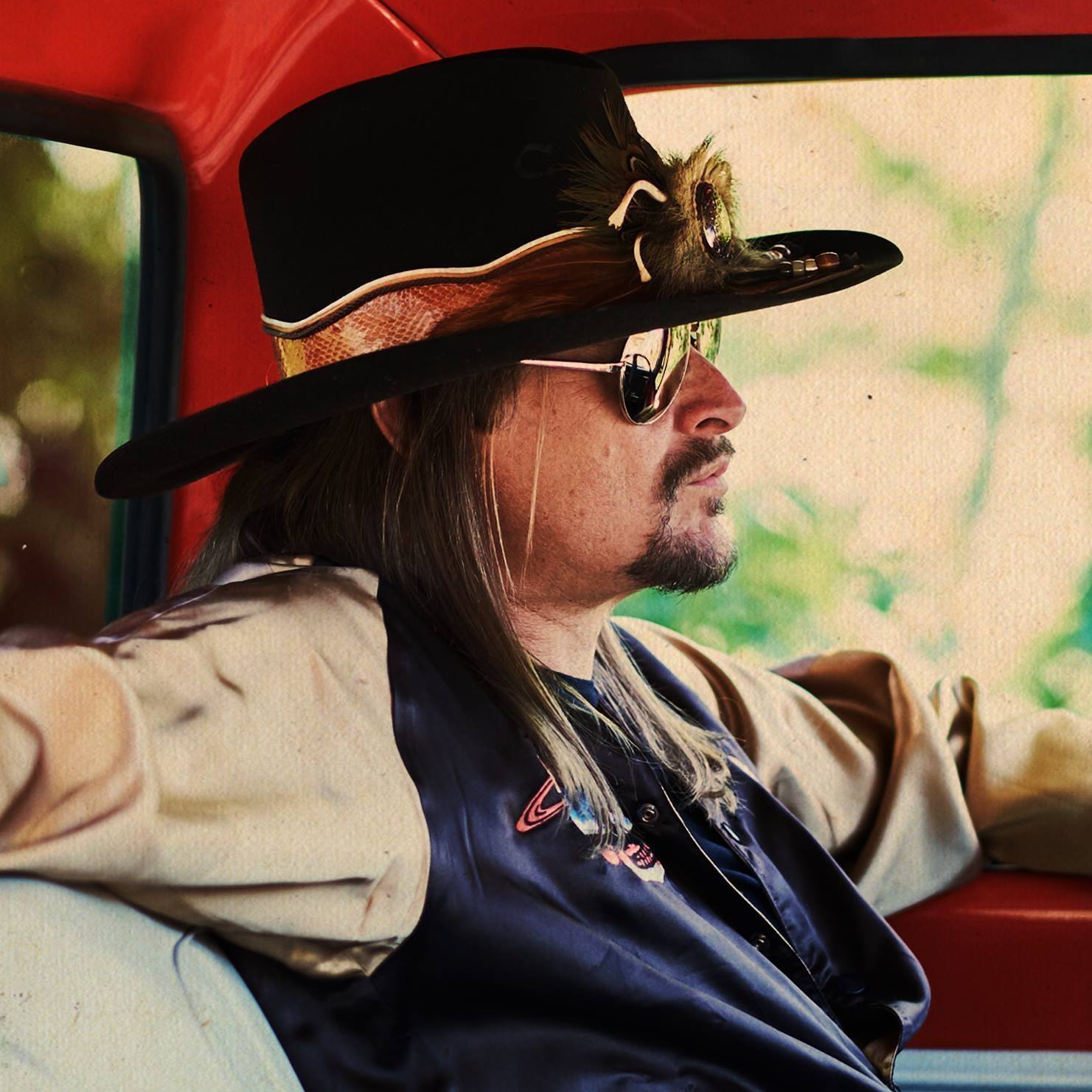
As millions of viewers tuned in for Super Bowl weekend festivities, Kid Rock used one of the most watched alternative broadcasts of the night to deliver a bold and unexpected declaration of Christian faith. Headlining Turning Point USA's All-American Halftime Show, the veteran artist paused the spectacle to share a clear gospel-centered message focused on repentance, redemption, and surrender to Jesus Christ.
Midway through his performance, Kid Rock introduced a reworked verse to Cody Johnson's "'Til You Can't," shifting the song's message from motivational resolve to spiritual urgency. Referencing Scripture, personal reflection, and the call to turn one's life over to Christ, the artist told viewers that true freedom and second chances are found not in fame or success, but in faith.
"This is about reading the Bible, giving your life to Jesus, and understanding that no matter where you've been, grace is still available," Kid Rock told the audience, drawing loud applause from the packed venue and strong reactions across social media.
The All-American Halftime Show aired simultaneously with the official Super Bowl LX halftime performance, offering an alternative built around faith, patriotism, and free expression. Organizers framed the event as a cultural counterpoint, emphasizing that public expressions of Christianity still resonate with large audiences in contemporary America.
While the official NFL halftime show was headlined by Bad Bunny, TPUSA's livestream drew millions of viewers online, underscoring the appetite for content that openly integrates faith with popular culture. Kid Rock's gospel moment quickly became one of the most discussed segments of the night, praised by supporters for its clarity and courage, and critiqued by others for its directness.
The performance marks another chapter in Kid Rock's long-running defiance of cultural expectations. Known for blending rock, country, and hip-hop, the artist has increasingly leaned into faith-inflected themes, positioning spiritual conviction as central rather than peripheral to his public persona.
For many viewers, the moment stood out not because of production scale or controversy, but because of its simplicity: a mainstream artist using a national stage to say that faith still matters, the gospel still transforms, and hope is still available.
As the dust settles from Super Bowl weekend, one thing is clear - amid fireworks, celebrity, and spectacle, Kid Rock's message cut through the noise with unmistakable conviction: the gospel belongs in the public square, and its power has not diminished.


