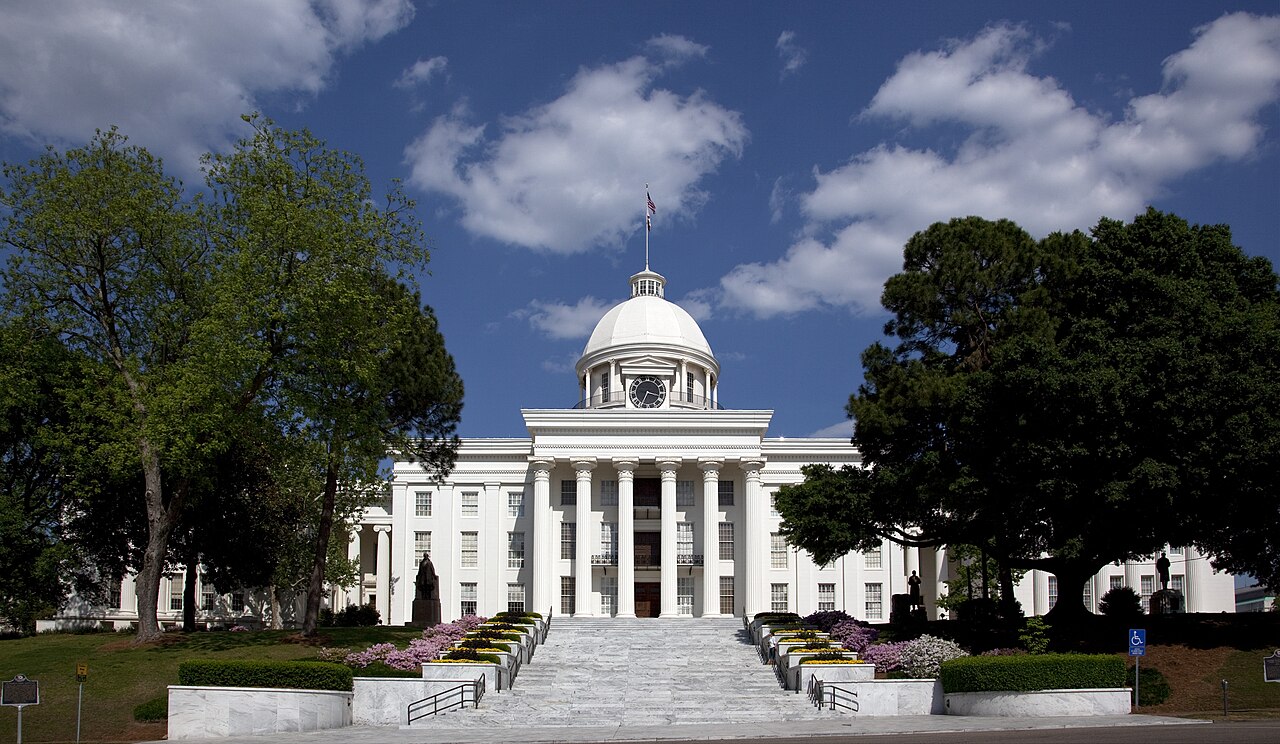
The Alabama House of Representatives has approved legislation that would make disrupting a worship service a felony offense, reigniting debate over religious freedom and the limits of protest.
House Bill 363 passed in a 75-27 vote and now heads to the state Senate. If enacted, the bill would classify intentional disruptions inside a church building - including unlawful protests, harassment of worshippers, disorderly conduct, or blocking entrances and exits - as a criminal offense. A second or subsequent violation would be elevated to a Class C felony, carrying a mandatory minimum sentence of five years in prison.
Supporters say the bill is about protecting the constitutional right to worship peacefully.
"This is a religious protection bill that protects all religions," said Republican Rep. Greg Barnes, the bill's sponsor. He emphasized that no one should be allowed to intimidate families or interrupt sacred gatherings.
The proposal comes after a highly publicized protest in Minnesota, where demonstrators stormed a Sunday service, forcing the congregation to end worship early. Federal charges were later filed against some involved in that incident, intensifying national discussion about how far protest rights extend.
Critics of the Alabama bill argue that elevating disruptions to felony status may be excessive. Democratic Rep. Sam Jones described the measure as "overkill," questioning whether harsher penalties truly deter behavior.
Free speech advocates, however, note that the First Amendment does not protect individuals who enter private property to shut down a religious service. Peaceful protest remains protected - but not at the expense of others' right to worship.
As the bill advances, the broader question remains: how should lawmakers balance freedom of expression with freedom of religion? For many faith communities, ensuring safe and uninterrupted worship is not just a policy issue - it is a deeply held conviction.
This report includes information originally published by The Christian Post.


