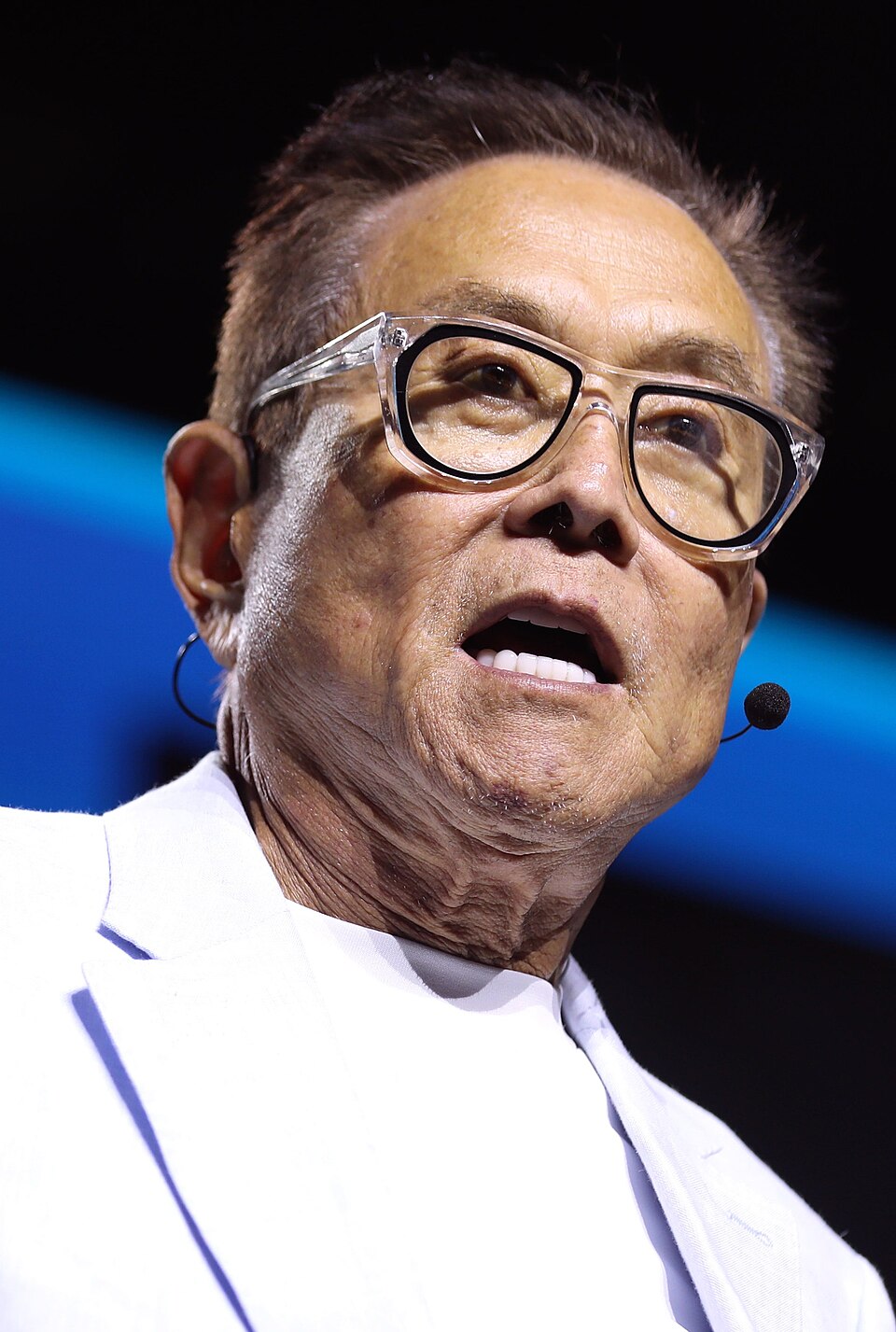
As explosions were reported in Tehran and the Pentagon confirmed the launch of Operation Epic Fury, financial author Robert Kiyosaki issued a stark warning to his followers: the world has crossed into dangerous territory - militarily and economically.
"IRAN. ISRAEL. USA. WAR HAS STARTED," the Rich Dad Poor Dad author wrote on February 28, 2026. "My prediction - only ends one way, regime change in Iran... Stay safe. God bless everyone."
While governments have not officially declared a world war, Kiyosaki described the coordinated U.S.-Israeli strikes on Iran as the beginning of "World War III," framing the moment as a turning point not just for geopolitics, but for global finance.
"3 Wars. 1 Day."
In a follow-up post, Kiyosaki broadened his warning beyond the Middle East.
"3 WARS. 1 DAY. And your money is quietly being destroyed."
He pointed to three simultaneous conflicts:
-
The escalating U.S.-Israel confrontation with Iran
-
Pakistan's declaration of "open war" against Afghanistan
-
The ongoing Russia-Ukraine war entering its third year
According to Kiyosaki, the convergence of these flashpoints is not random. He argues wars historically act as massive financial catalysts - triggering government spending, debt expansion, and currency devaluation.
His Timeline of Escalation
In his post, Kiyosaki outlined what he believes led to this moment.
He cited Iran's economic collapse in December 2025, claiming the country's currency plummeted and widespread protests erupted. He referenced failed peace talks in Geneva days before the strikes and noted that President Donald Trump had publicly called for regime change earlier in February.
He also mentioned prior U.S. strikes on Iranian nuclear facilities in 2025 and the evacuation of U.S. embassy personnel in Israel shortly before Operation Epic Fury began.
"This didn't happen overnight," he wrote. "The writing was on the wall."
While some of his claims reflect ongoing tensions reported by international media, others remain part of broader geopolitical debate. Still, his larger argument centers on what happens next - economically.
Why Oil Matters
One of Kiyosaki's central concerns is the Strait of Hormuz - a narrow waterway through which roughly 20% of the world's oil supply passes.
If military escalation disrupts shipping routes in that region, energy prices could surge dramatically. Kiyosaki suggested oil could spike toward $200 per barrel if the strait were shut down.
What would that mean?
-
Higher gas prices
-
Increased transportation costs
-
Rising food and consumer goods prices
-
Broader inflationary pressure
When oil rises sharply, nearly every sector of the economy feels it.
"Savers Are Losers"
Kiyosaki has long criticized reliance on cash savings during inflationary cycles. In his latest warning, he repeated a phrase central to his financial philosophy:
"In times of crisis, savers are losers."
His reasoning is rooted in monetary history. Governments at war often increase spending dramatically. To finance military operations, they may expand debt or increase money supply. When more money enters circulation, purchasing power can weaken - leading to inflation.
He pointed to U.S. national debt, now exceeding $38 trillion, as evidence that further military engagement could intensify fiscal pressure.
"This is not conspiracy. This is history. This is math," he wrote, referencing inflation spikes during World War I, World War II, and the Vietnam War.
Gold, Silver, Bitcoin - His Defensive Strategy
Rather than urging panic, Kiyosaki urged preparation. He emphasized holding what he calls "real assets":
-
Gold - historically viewed as a store of value during instability
-
Silver - more accessible but similarly finite
-
Bitcoin - decentralized and independent of central banks
He argues that tangible and limited assets historically perform better during periods of currency debasement and geopolitical uncertainty.
At the same time, he acknowledged the human cost of conflict.
"War is tragedy. Real people are dying," he wrote, adding that the scariest part may not only be the missiles - but the economic aftermath.
Between Fear and Prudence
Markets often react sharply to geopolitical escalation, especially when energy routes and nuclear tensions are involved. Whether Operation Epic Fury expands or stabilizes will likely shape global economic direction in the weeks ahead.
Kiyosaki's message is clear: prepare financially before inflation accelerates.
For many readers, however, the challenge lies in balancing financial wisdom with emotional restraint. In moments of global crisis, faith communities frequently call for prayer, peace, and wise stewardship - reminding believers that while preparation matters, fear does not have to define the response.
As headlines continue to unfold, investors and families alike are watching closely.
Because whether one agrees with Kiyosaki or not, one thing is certain: the world is navigating a deeply uncertain moment - and both markets and lives are being shaped in real time.


