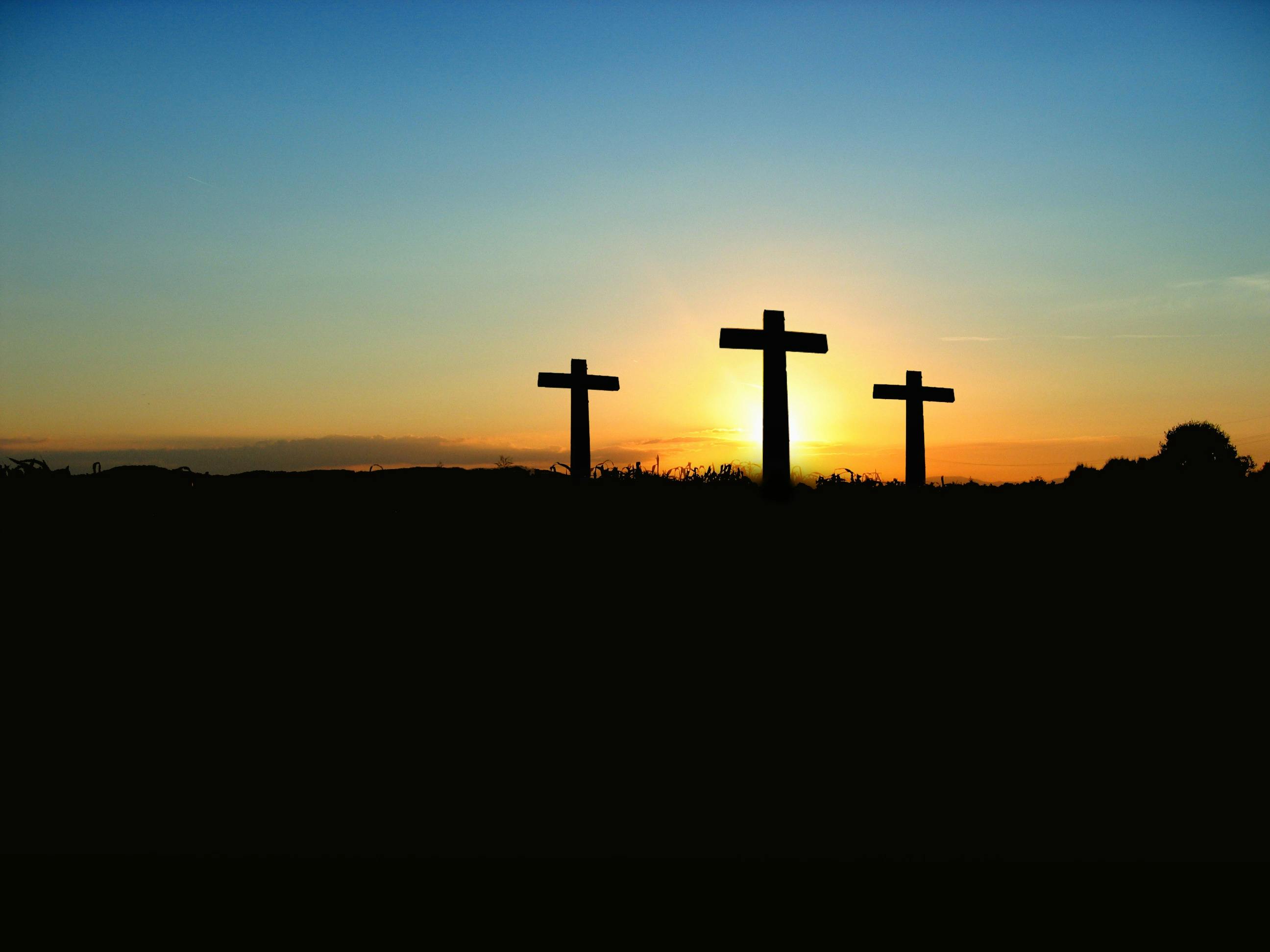
As spring approaches, many families and churches begin preparing for one of the most important celebrations in the Christian calendar. A common question people ask each year is simple: When is Easter? Unlike Christmas, which is fixed on December 25, the date of Easter changes annually.
In 2026, Easter Sunday will be celebrated on April 5 by most Christians around the world, including Catholics, Protestants, and many other Western Christian denominations. The day commemorates what Christians believe is the resurrection of Jesus Christ, three days after His crucifixion on Good Friday. For millions of believers, Easter-often called Resurrection Sunday-is the central event of the Christian faith and a powerful reminder of hope, redemption, and new life.
But Easter isn't just a single day. Several important observances lead up to it, forming a season of reflection, worship, and preparation for churches worldwide.
Key Dates Leading Up to Easter 2026
The Easter season includes several meaningful milestones that help believers reflect on the life, death, and resurrection of Jesus.
Lent - A Season of Prayer and Reflection
In 2026, Lent began on Ash Wednesday, February 18. This 40-day period is traditionally marked by fasting, prayer, repentance, and spiritual reflection, symbolizing the 40 days Jesus spent fasting in the wilderness before beginning His ministry.
During Lent, many Christians choose to give up certain habits, foods, or activities as a form of spiritual discipline. Others focus on acts of service, charity, or increased time in prayer and Scripture reading. The season is meant to prepare believers' hearts for the significance of Easter.
Depending on church traditions, Lent concludes either on Maundy Thursday (April 2) or Holy Saturday (April 4).
Palm Sunday - March 29, 2026
Palm Sunday, observed on March 29, marks the beginning of Holy Week. According to the Gospels of Matthew, Mark, Luke, and John, this day commemorates Jesus' entry into Jerusalem, when crowds welcomed Him by waving palm branches and shouting praises.
In many churches today, worshippers receive palm leaves or participate in readings of the Passion narrative, recounting the events leading to Jesus' crucifixion.
Maundy Thursday - April 2, 2026
Maundy Thursday, also called Holy Thursday, remembers the Last Supper, when Jesus shared a final meal with His disciples. During this gathering, Jesus washed His disciples' feet and instituted the practice of Holy Communion, telling His followers to remember Him through the bread and cup.
Many churches hold special evening services to reflect on this moment of humility and devotion.
Good Friday - April 3, 2026
Good Friday, which falls on April 3 in 2026, commemorates the crucifixion of Jesus Christ. According to the New Testament, Jesus was executed by crucifixion and buried in a nearby tomb.
Though it remembers a tragic event, Christians call the day "Good" because they believe Jesus' sacrifice brought forgiveness and salvation to humanity. Churches often observe the day with solemn services focused on prayer, Scripture readings, and reflection on the cross.
While Good Friday is not a federal holiday in the United States, some workplaces, schools, and churches hold special observances.
Easter Sunday - April 5, 2026
The season reaches its joyful climax on Easter Sunday, April 5, 2026.
Christians celebrate the resurrection of Jesus, believing that three days after His death, the tomb was found empty and Christ had risen from the dead. This event is described in the New Testament as the foundation of Christian faith.
Churches around the world mark Easter with sunrise services, worship gatherings, music, and family celebrations. Many congregations emphasize the message that the resurrection represents victory over sin, death, and darkness.
For believers, Easter symbolizes new life, renewal, and hope, themes that resonate strongly with the arrival of spring.
Why the Date of Easter Changes Every Year
Unlike holidays tied to a fixed calendar date, Easter follows an ancient calculation that combines the solar calendar and the lunar cycle.
The rule established by early church leaders states that Easter is observed on the first Sunday after the first full moon following the spring equinox. The church traditionally fixes the equinox date at March 21, even though the astronomical equinox may vary slightly.
Because lunar cycles do not align perfectly with calendar months, Easter can occur anytime between March 22 and April 25 in the Gregorian calendar used by most Western churches.
In 2026, the calculation places Easter on April 5, roughly in the middle of the possible date range.
Why Some Christians Celebrate Easter on a Different Day
While most churches celebrate Easter on April 5 in 2026, Eastern Orthodox Christians will observe Easter on April 12.
The difference comes from the calendar used to determine the date. Western churches rely on the Gregorian calendar, introduced in the 16th century, while many Orthodox churches still follow the Julian calendar for calculating Easter.
These different systems occasionally produce different Easter dates, although sometimes they align. The next time both traditions will celebrate Easter on the same day will be in 2028.
The Deeper Meaning of Easter
Beyond the traditions, decorations, and springtime celebrations, Easter holds deep spiritual significance for Christians.
According to the Bible, the resurrection of Jesus represents God's promise of redemption and eternal life. For believers, the story of Easter is not just history-it is a message that hope can emerge from suffering and that new beginnings are always possible.
Many churches emphasize this message during Easter services, reminding worshippers that the resurrection is seen as the cornerstone of the Christian faith.
Looking Ahead to Easter 2026
As churches and families prepare for the upcoming holiday, the weeks leading up to Easter Sunday on April 5, 2026 will include moments of reflection, worship, and celebration across the world.
From the solemn prayers of Lent to the joyful proclamation of Resurrection Sunday, the season offers believers an opportunity to remember the heart of their faith-and the enduring message of hope that Easter represents.


