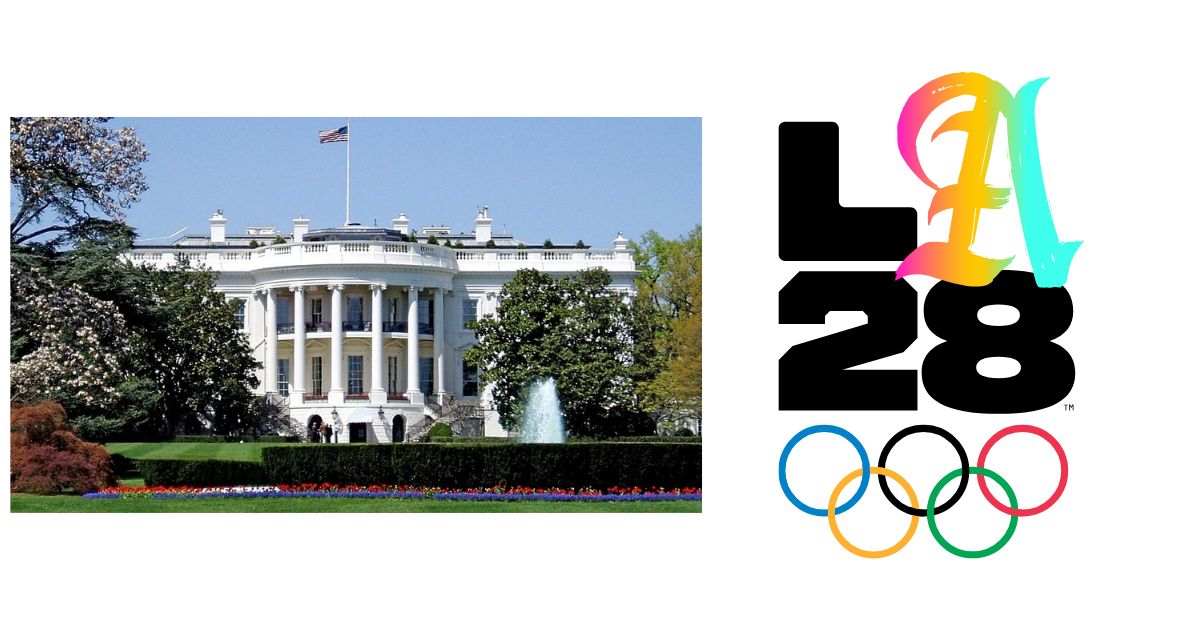
The debate surrounding transgender women in the Olympics continues to grow after the White House publicly applauded the International Olympic Committee's (IOC) recent decision to ban transgender women from competing in female events at the 2028 Los Angeles Games. The announcement marks a significant follow-up to the IOC's new policy and highlights how deeply the issue of Olympics trans athletes has entered the political arena.
According to official statements, the IOC ruling aligns closely with a 2025 executive order signed by President Donald Trump, which aimed to restrict transgender athletes from participating in women's and girls' sports. White House officials described the Olympic decision as "common sense," with some even suggesting the administration's policies helped influence the global sports body's direction.
IOC President Kirsty Coventry, however, emphasized that the decision was rooted in science and fairness, stating that all athletes must still be treated with dignity and respect. The new rules require a one-time genetic test to confirm biological sex, a move the IOC says is necessary to maintain equal opportunities and safety in women's competition.
Still, the response has been far from unified. Advocacy groups have criticized the decision, warning that such policies could lead to increased scrutiny and stigma for athletes. Others argue that the ruling is essential for preserving the integrity of women's sports, especially at the elite Olympic level.
As conversations around trans athletes in the Olympics continue, this latest development shows how sports, politics, and cultural values are becoming increasingly intertwined. For many observers, the discussion goes beyond competition, touching on broader questions of identity, fairness, and how society navigates complex and sensitive issues. In moments like this, many are reminded of the importance of engaging these conversations with both clarity and compassion, even when perspectives differ.


