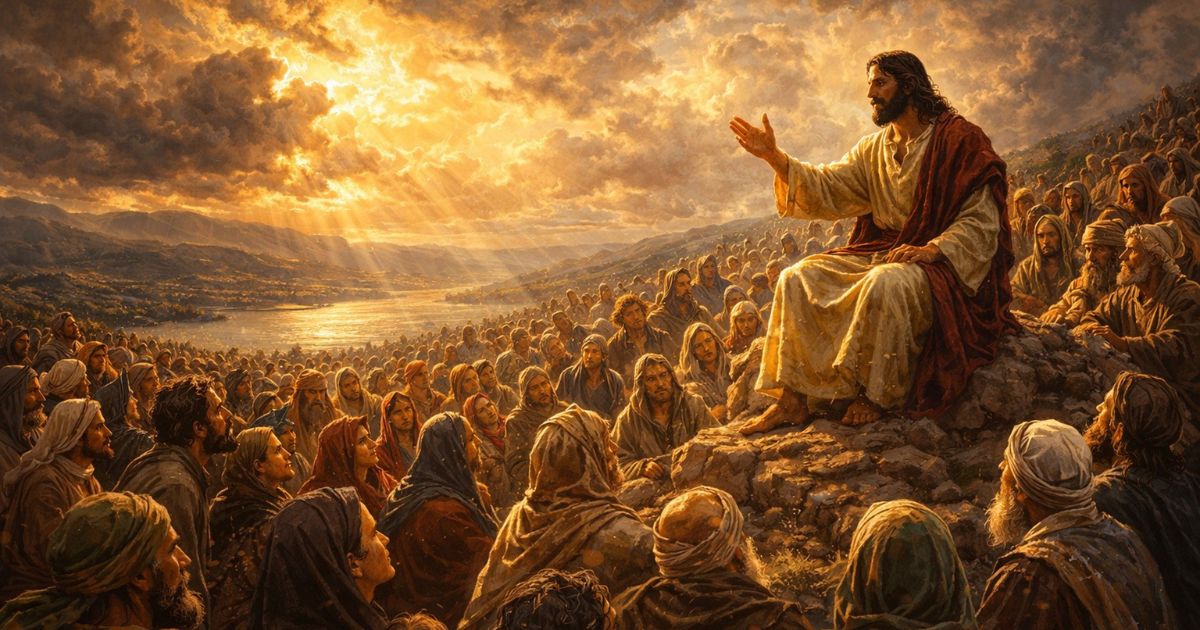
Holy Tuesday falls on March 31, 2026 - and of all the days in Holy Week, it may be the most packed with words. On this single day, Jesus taught longer, debated harder, and spoke more prophetically than on any other day of His final week.
If Holy Monday was about action - overturning tables, clearing the Temple - Holy Tuesday was about truth. And Jesus delivered it without pulling back.
What is Holy Tuesday?
Holy Tuesday is the third day of Holy Week, observed the Tuesday before Easter Sunday. In 2026, it falls on March 31. It is the day the Gospels record Jesus returning to the Temple courts in Jerusalem, where He would spend the better part of the day teaching the crowds, answering challenges from religious leaders, and issuing some of His most sobering words about the future.
It is one of the longest and most theologically dense days in all four Gospels - and yet it is one of the least discussed in church traditions.
What happened on the first Holy Tuesday?
When Jesus and His disciples returned to Jerusalem that morning, the religious establishment was waiting for Him. The chief priests, the teachers of the law, and the elders came to Him with a direct challenge: "By what authority are You doing these things?" (Matthew 21:23)
What followed was a day of confrontation unlike anything recorded in Holy Week. Jesus answered their question with a question - and they could not answer Him. He then told three parables in succession - the Two Sons, the Tenants, and the Wedding Banquet - each one pointing unmistakably at the religious leaders standing before Him. They understood exactly what He meant. And they looked for a way to arrest Him.
The Pharisees came next, attempting to trap Him on the question of paying taxes to Caesar. Then came the Sadducees, questioning Him about the resurrection. Then a teacher of the law asked about the greatest commandment. Jesus answered each one with clarity, authority, and Scripture - and by the end, no one dared ask Him anything more (Matthew 22:46).
After the questions stopped, Jesus spoke without interruption. He delivered the seven woes against the teachers of the law and the Pharisees - a direct, measured denouncement of religious hypocrisy - and then sat down with His disciples on the Mount of Olives and spoke at length about the destruction of Jerusalem, the signs of the end times, and His return. This teaching, recorded in Matthew 24-25, is known as the Olivet Discourse, and it remains one of the most studied prophetic passages in all of Scripture.
Tuesday ended quietly. Jesus returned to Bethany with His disciples as the night came on.
What does Holy Tuesday mean for us today?
Holy Tuesday is a reminder that truth, spoken in love, does not soften itself for the sake of comfort. Jesus was in the final days of His earthly ministry, fully aware of what Friday held - and He spent one of those last days teaching. Not retreating. Not resting. Teaching.
For the Christian walking through Holy Week in 2026, Tuesday is an invitation to sit with the words of Jesus - not just the miracles, not just the cross, but the teaching. The parables. The warnings. The promises tucked inside the Olivet Discourse about a return that is still coming.
Every day of this week is intentional. Tuesday was no accident either.
Holy Week continues
Holy Tuesday is the third of seven sacred days leading to Easter Sunday on April 5, 2026. Each day carries its own story and its own weight - and each one draws the story forward toward the empty tomb.
Related: Holy Monday 2026: What Jesus Did the Day After Palm Sunday and Why It Still Matters
Related: Palm Sunday 2026: When It Is, What It Means, and How Christians Around the World Celebrate It
Related: Holy Week 2026: Full Guide to Every Day, What It Means, and Why It Matters


