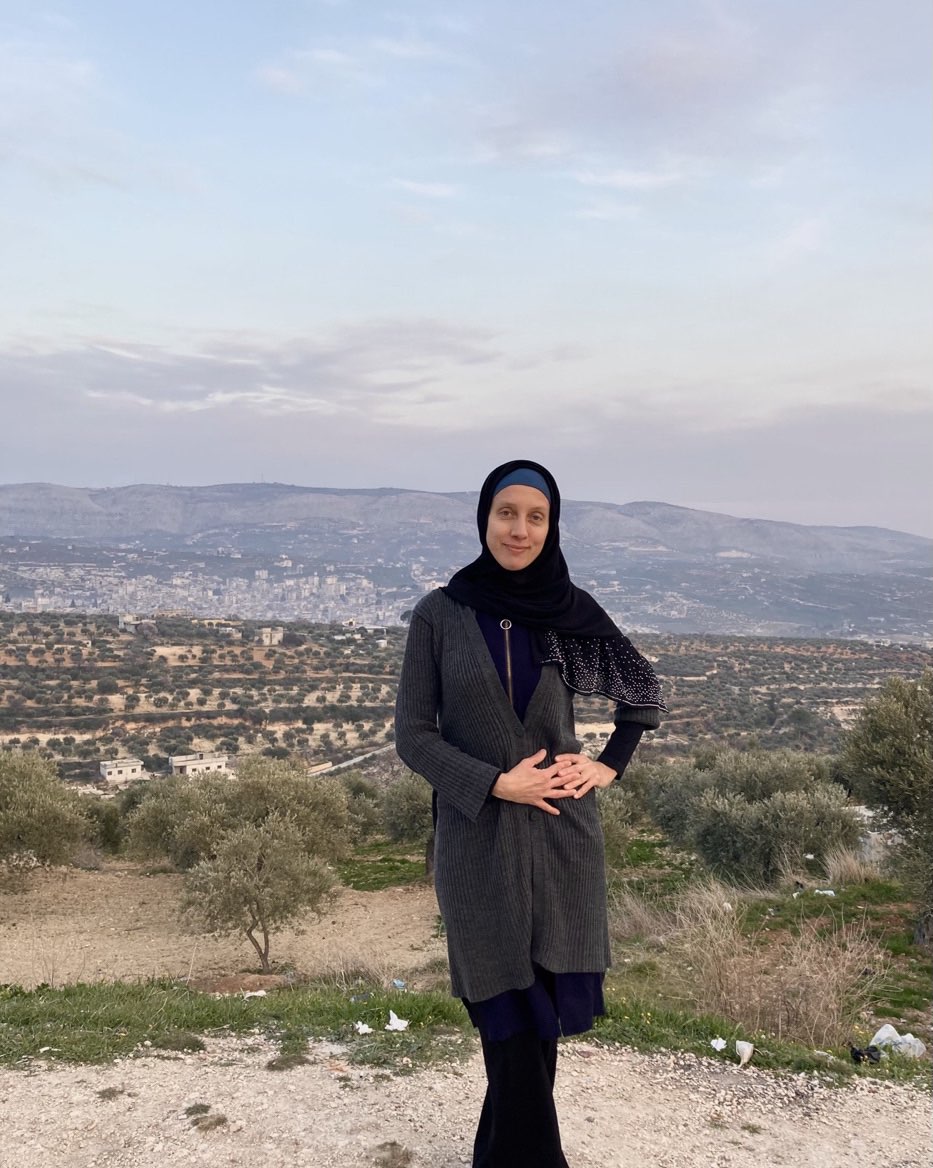
American journalist Shelly Kittleson has been kidnapped in Baghdad, sparking urgent international concern and raising new questions about why she remained in Iraq despite reported security threats against her.
Kittleson, a freelance journalist known for her coverage of the Middle East, was abducted by unknown individuals in central Baghdad, according to Iraqi officials and her affiliated outlet, Al-Monitor. Authorities have since launched an operation to locate her, with reports confirming that one suspect has already been arrested and a vehicle linked to the kidnapping has been seized.
As the situation continues to develop, new details suggest that Kittleson had been previously warned of credible threats, including potential kidnapping or even assassination. Sources indicate that both U.S. and Iraqi officials had been monitoring risks tied to Iranian-backed militia groups, particularly Kataib Hezbollah, which has a history of targeting Americans in the region.
Despite those warnings, Kittleson chose to remain in Iraq-a decision that appears closely tied to her work. She has spent years reporting from conflict zones, including Iraq and Syria, and is regarded by colleagues as a journalist deeply committed to on-the-ground coverage of complex geopolitical issues. For reporters like Kittleson, being physically present in the region is often essential to documenting stories that might otherwise go untold.
While some have questioned why she did not leave, others point out that frontline journalism often involves difficult decisions, where risk and responsibility intersect. According to sources familiar with the situation, Kittleson was aware of the dangers but continued reporting, highlighting the realities faced by journalists working in volatile environments.
The U.S. government has confirmed it is actively working with Iraqi authorities to secure her release. In a statement, officials reiterated that they had previously issued warnings urging her to leave the country, as part of broader travel advisories for American citizens amid rising tensions in the region.
At this stage, it remains unclear exactly who carried out the kidnapping, though early indications point toward militia-linked involvement. Investigations are ongoing, and officials say efforts are intensifying to track down those responsible.
Kittleson's abduction comes at a time of heightened instability in Iraq, where security risks have increased following recent regional conflicts. Although kidnappings had become less common in recent years, this incident underscores the continuing dangers faced by both locals and foreign nationals.
Beyond the immediate headlines, the situation has also drawn attention to the personal cost of journalism in conflict zones. For many, Kittleson's story reflects not only the risks of reporting but also the deeper calling to pursue truth-even in places where doing so can come at a high price.
As the search continues, media organizations and advocacy groups are calling for her safe and immediate release, while the global community watches closely for further updates.


