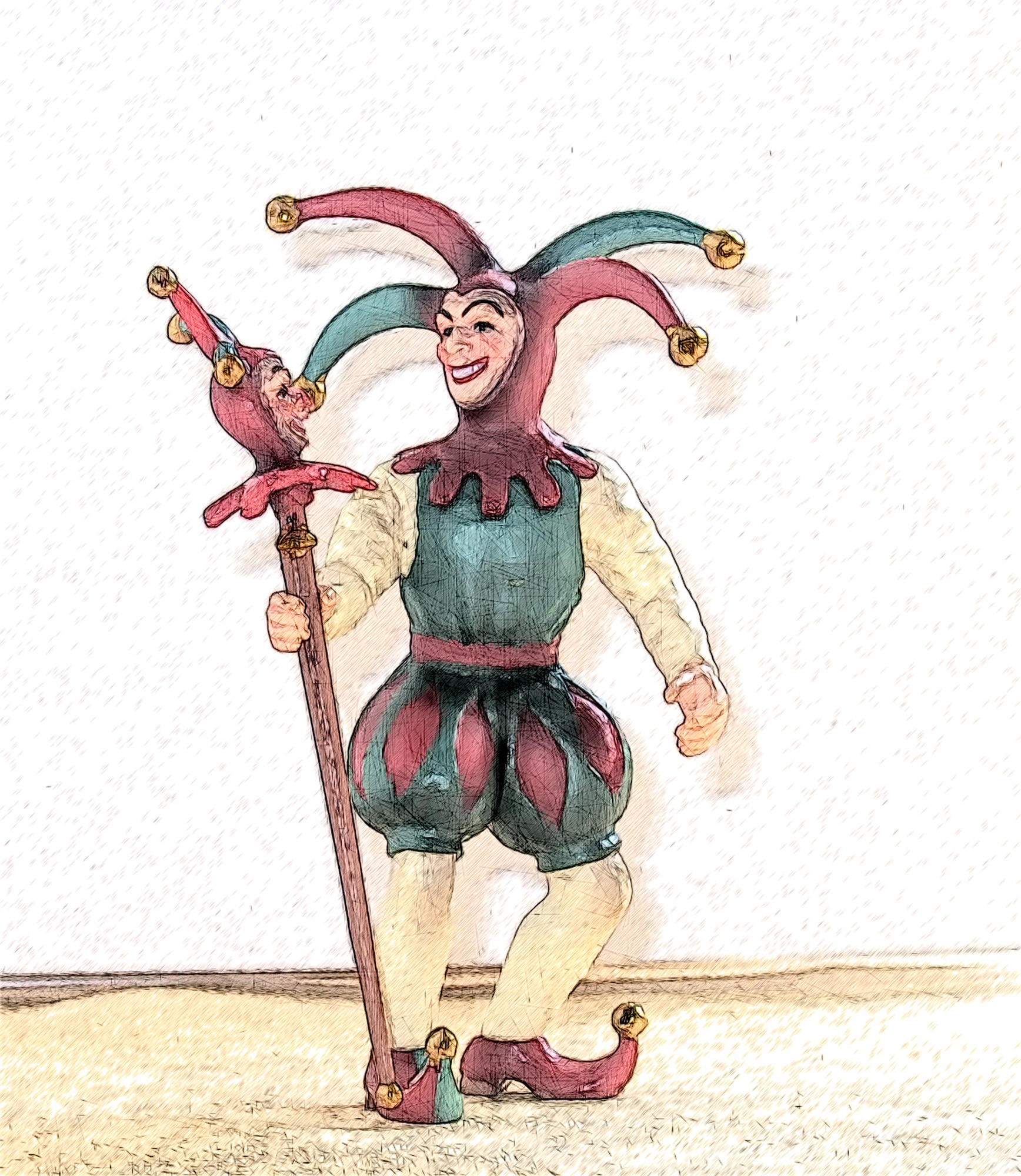
Every year on April 1, millions of people take part in lighthearted jokes, pranks, and playful deception as part of April Fools' Day. But for many Christians, the question often arises: Are Christians allowed to do April Fools' pranks-or should they avoid celebrating it altogether?
The Bible doesn't directly mention April Fools' Day, as the tradition has origins that date back centuries and likely evolved from a mix of cultural and historical practices. However, Scripture does provide guidance on truth, honesty, and how believers are called to treat one another-and this is where the conversation often begins.
At its core, many April Fools' pranks involve tricking someone into believing something that isn't true, even if only for a moment. For some Christians, this raises concerns about whether such behavior aligns with biblical teachings. Passages like Ephesians 4:25, which says, "Therefore each of you must put off falsehood and speak truthfully to your neighbor," are often referenced in this discussion.
Others point out that not all pranks are harmful or deceptive in a negative sense. Some Christians view April Fools' Day as an opportunity for harmless fun, laughter, and building relationships, as long as the jokes remain kind, respectful, and do not involve lying in a way that could harm or mislead others.
The origin of April Fools' Day itself is somewhat unclear, though historians suggest it may date back hundreds of years, with theories pointing to medieval traditions or springtime festivals. Across different cultures, early spring has often been associated with celebration, playfulness, and even light deception, reflecting a seasonal shift after winter.
For Christians, the key issue is not necessarily the holiday itself, but the intent and impact behind the actions. A simple rule of thumb many believers follow is:
- Does the joke build someone up-or tear them down?
- Is it truthful-or does it involve deception that could cause confusion or harm?
There is also a deeper spiritual reflection that some Christians consider: while humor and joy are important parts of life, Scripture consistently emphasizes the value of integrity, honesty, and love for others. That means even in moments of fun, believers are encouraged to reflect Christ in their words and actions.
Some Christians choose to avoid April Fools' pranks altogether as a matter of personal conviction, while others participate in a limited, lighthearted way. In both cases, the decision often comes down to personal conscience and interpretation of biblical principles.
What remains clear is that the heart behind the action matters. A harmless joke between friends may be seen differently than a prank that misleads or embarrasses someone. In a world where truth can sometimes feel blurred, many believers see every opportunity-even something as simple as a joke-as a chance to reflect honesty, kindness, and integrity.
So, are Christians allowed to do April Fools' pranks? The answer may not be a simple yes or no. Instead, it often comes down to wisdom, discernment, and the desire to honor God in all things, even in moments of humor.
As April 1 approaches, Christians may find themselves asking not just "Can I do this?" but also "Should I do this-and does it reflect the life I'm called to live?"


