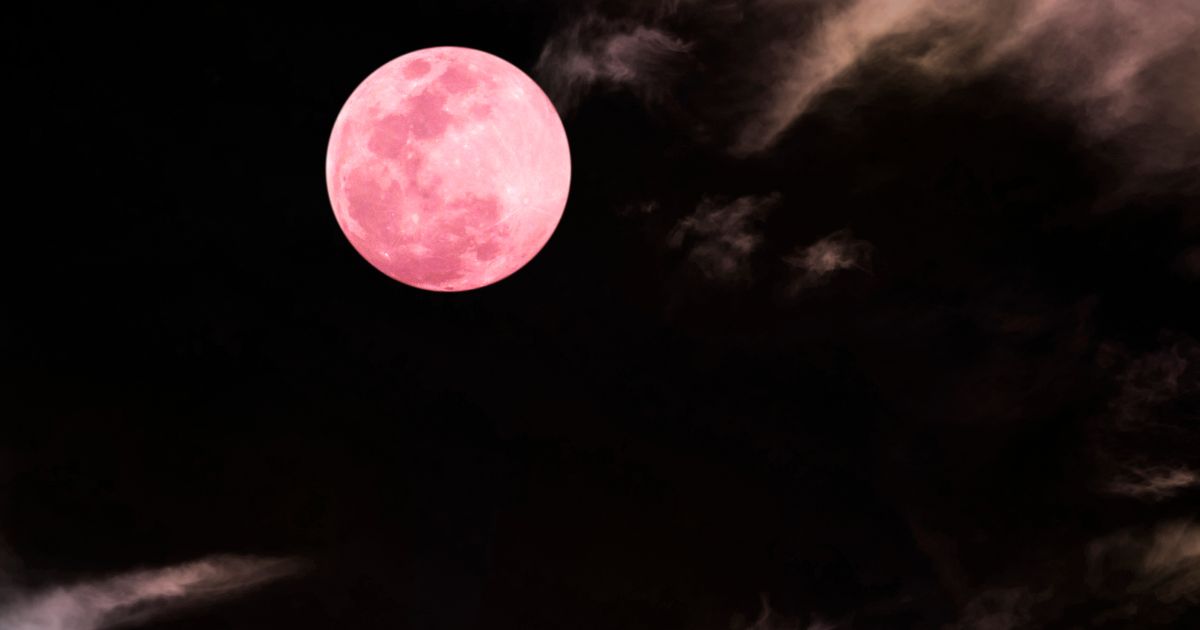
The Pink Moon of 2026 is one of the most anticipated full moons of the year, not because of its actual color, but because of its symbolic meaning and global visibility. Occurring in early April, this full moon marks the transition from winter to spring in the Northern Hemisphere and carries deep cultural, astronomical, and even spiritual significance. Whether you're in the United States, Europe, Asia, or Australia, this guide will help you know exactly when and where to see the Pink Moon at its brightest.
Despite its name, the Pink Moon does not appear pink in color. Instead, it typically glows in a soft golden or bright white hue as it rises above the horizon. The name comes from early spring wildflowers, particularly the moss pink (Phlox subulata), which bloom around this time in North America. Across different cultures, this moon has also been associated with renewal, growth, and reflection-making it more than just a visual spectacle.
The Pink Moon reaches its peak on April 1-2, 2026, depending on your time zone. However, the best viewing time is always at moonrise or shortly after sunset, when the moon appears larger and more dramatic near the horizon.
Pink Moon 2026: Global Viewing Guide by Region
United States & North America
In the United States, the Pink Moon will peak at around 10:12 p.m. Eastern Time on April 1, 2026.
- Eastern (ET): Peak at 10:12 PM; best viewing after sunset between 8:00-10:00 PM
- Central (CT): Peak at 9:12 PM; best viewing after sunset between 7:30-9:30 PM
- Mountain (MT): Peak at 8:12 PM; best viewing after sunset between 7:00-9:00 PM
- Pacific (PT): Peak at 7:12 PM; best viewing after sunset between 6:30-8:30 PM
Across the U.S., the best viewing will be in dark, open areas away from city lights. As the moon rises in the east, it will appear larger due to the "moon illusion", creating a stunning visual for stargazers.
Europe
In Europe, the Pink Moon will typically be visible late at night or early morning on April 2, 2026, due to time differences.
- UK & Ireland: Around 3:00-4:00 AM on April 2
- Western Europe (France, Spain, Germany): Around 3:00-5:00 AM
- Eastern Europe: Around 4:00-6:00 AM
For European viewers, the best time to see the moon is during the early morning hours, when it is still high in the sky but before sunrise begins to brighten the horizon.
Asia
Across Asia, the Pink Moon will also be visible in the early morning hours of April 2, 2026.
- India: Around 7:00-8:00 AM
- China: Around 10:00-11:00 AM
- Southeast Asia (Philippines, Indonesia, Thailand): Around 9:00-10:00 AM
However, in many Asian regions, the best viewing will be the evening before (April 1) as the moon rises above the horizon after sunset.
In countries closer to the equator, like the Philippines, the Pink Moon appears especially striking due to its clear visibility and steady rise.
Australia & New Zealand
Australia offers some of the best Pink Moon viewing conditions, as the moon reaches peak brightness during daytime but becomes visible in the evening sky.
- Sydney: Peak at 1:11 PM on April 2; best viewing after sunset around 6:50 PM
- Melbourne: Peak at 1:11 PM; best viewing after sunset around 7:13 PM
- Brisbane: Peak at 12:11 PM; best viewing after sunset around 5:45 PM
- Perth: Peak at 10:11 AM; best viewing after sunset around 6:12 PM
In Australia, the most magical viewing occurs after sunset, when the moon rises and appears full and glowing against the darkening sky.
Why Is It Called the Pink Moon?
The name "Pink Moon" does not refer to its actual appearance. Instead, it comes from natural seasonal changes.
The name is associated with the blooming of creeping phlox, a pink wildflower native to North America. Early settlers and Native American tribes used this blooming cycle as a way to track time and seasons, naming the full moon accordingly.
Other traditional names for this moon include:
- Egg Moon
- Frog Moon
- Breaking Ice Moon
These names reflect the transition from winter to spring-a time when life begins to bloom again.
Best Way to View the Pink Moon
To fully enjoy the Pink Moon, a few simple steps can enhance your experience:
- Find an open area with a clear view of the eastern horizon
- Avoid light pollution from cities when possible
- Watch the moon rise just after sunset
- Use binoculars or a telescope for a closer look
- Allow your eyes to adjust to the darkness
The moon often appears larger and more golden near the horizon, creating a breathtaking view that feels almost surreal.
Cultural and Spiritual Meaning
Across different cultures, the Pink Moon is more than just an astronomical event-it symbolizes renewal, reflection, and new beginnings.
In Christian tradition, this moon is known as the Paschal Moon, which helps determine the date of Easter. In 2026, Easter Sunday falls shortly after the Pink Moon, highlighting its importance in the liturgical calendar.
For many, the full moon is also a moment to pause and reflect, offering a natural reminder of cycles, growth, and change. It's a time when people step outside, reconnect with nature, and observe something far greater than themselves.
The Pink Moon of 2026 is a global event that brings people together under one sky, even though we experience it at different times across the world. Whether you're in North America watching it rise after sunset, in Europe catching it in the early morning hours, or in Australia enjoying a post-sunset glow, this full moon offers a shared moment of wonder.
It's not just about the science-it's about the experience. A quiet night, a glowing moon, and a reminder of the natural rhythms that continue to shape our world.
So when April arrives, step outside, look up, and take a moment to witness the beauty of the Pink Moon lighting up the night sky.
FAQs About the Pink Moon 2026
1. Does the Pink Moon actually look pink?
No. It appears bright white or golden. The name comes from spring flowers, not its color.
2. When is the best time to see the Pink Moon?
The best time is shortly after sunset when the moon rises near the horizon.
3. Will the Pink Moon be visible everywhere?
Yes, it is visible globally, but timing varies depending on your time zone.
4. Why is the Pink Moon important?
It marks seasonal change and, in Christianity, helps determine the date of Easter.
5. What makes this full moon special?
It is the first full moon of spring in the Northern Hemisphere and carries cultural, spiritual, and astronomical significance.


