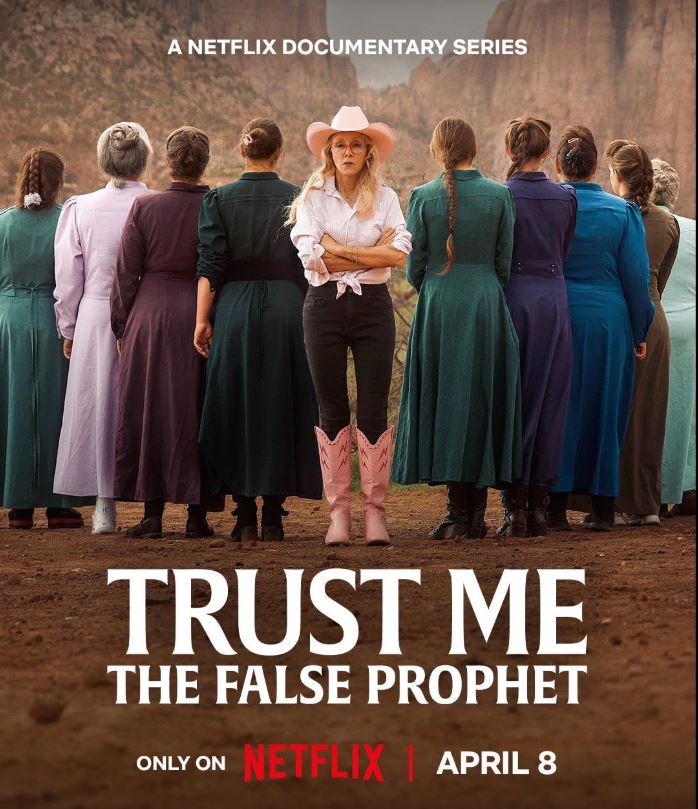
What happens when faith becomes a mask for control? Netflix's Trust Me: The False Prophet is raising that exact question-and the answer is far more unsettling than most viewers expect.
The new docuseries dives into the chilling true story of a self-proclaimed prophet who used religion not as a source of hope, but as a tool for power, manipulation, and secrecy. At the center of the story is Samuel Bateman, a leader within a fractured religious community who convinced followers that his authority came from God. But behind that claim, investigators uncovered something far darker.
The series reveals how belief systems can be twisted into something unrecognizable-where questioning authority becomes dangerous, and obedience becomes the only way to survive. For those inside the group, faith wasn't just spiritual-it was enforced, controlled, and weaponized.
What makes Trust Me: The False Prophet stand out is how the story is told. Rather than relying only on interviews and archives, the series incorporates real undercover footage captured by documentarians who embedded themselves within the community. Their work eventually helped expose criminal activity and contributed to a federal investigation that led to arrests and convictions.
But the emotional weight of the series doesn't just come from the crimes-it comes from the people. Survivors, witnesses, and insiders share stories of confusion, pressure, and awakening. Some believed they were following divine guidance. Others slowly began to see the truth and risk everything to break free.
The series also highlights a sobering reality: systems built on unchecked authority can create environments where abuse goes unnoticed or unchallenged. And when those systems are wrapped in religious language, the line between truth and deception becomes even harder to see.
For viewers, the question isn't just what happened-but how something like this was allowed to happen in the first place.
There's also a deeper reflection embedded in the story: the importance of discernment, accountability, and truth. When authority is never questioned, and belief is never examined, dangerous systems can take root in places meant to bring healing and hope.
Trust Me: The False Prophet doesn't just expose a crime-it forces a conversation about trust itself. Who do we follow? What do we believe? And how do we recognize when something meant to guide us is actually leading us astray?
That tension-between faith and control-is what makes this docuseries both gripping and deeply thought-provoking.


