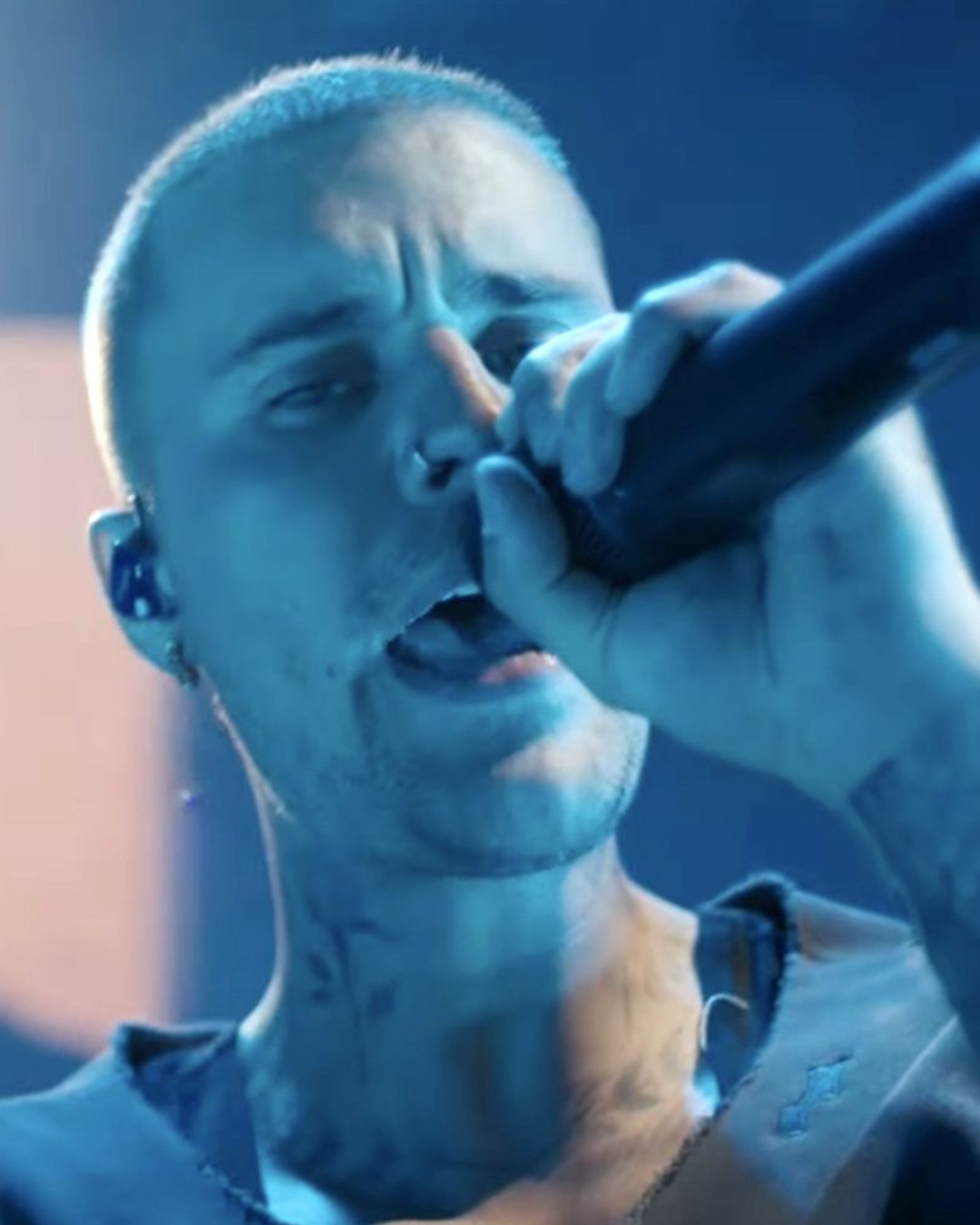
Justin Bieber made headlines worldwide this weekend following a historic return to the Coachella stage-delivering a record-setting performance that combined massive commercial success with a deeply personal message of faith.
According to early reports circulating across industry and social media platforms, Bieber's appearance has been described as the highest-paid headlining set in Coachella history, with a reported $10 million payday. The performance featured an expansive 34-song setlist, drawing one of the largest crowds the festival has seen in recent years and quickly dominating global search trends.
Despite mixed critical reactions to the show's style and pacing, the impact was undeniable. Streaming numbers for Bieber's catalog surged in the hours following the performance, while ticket demand for future appearances spiked-underscoring his continued global influence more than a decade into his career.
Yet beyond the numbers, it was a moment of public faith expression that became one of the most talked-about aspects of the night.
During the set, Bieber openly referenced his relationship with Jesus, telling the crowd of thousands that his desire is simple but profound:
"I just wanna honestly live like Jesus. Not be Jesus-I could never."
The statement, delivered on one of the world's most visible stages, immediately resonated across both faith-based and mainstream audiences. In a cultural moment where expressions of Christianity in entertainment spaces often draw scrutiny or skepticism, Bieber's words stood out as a clear and unfiltered declaration.
For longtime observers, this moment reflects a continued thread in Bieber's personal journey. From early fame and public struggles-including battles with mental health, addiction, and intense media scrutiny-he has increasingly pointed to faith, grace, and transformation as central to his life.
His Coachella set mirrored that journey. Moving through a career-spanning catalog that included hits like "Baby," "Beauty and a Beat," "That Should Be Me," "With You," and "Never Say Never," Bieber's performance carried a renewed emotional weight. What once were pop anthems of youth were delivered with the perspective of lived experience-turning the set into something many fans described as both nostalgic and deeply reflective.
More than a concert, the night became a narrative of growth.
From a teenage YouTube discovery to one of the most recognizable artists in the world, Bieber's evolution has unfolded in real time before a global audience. At Coachella 2026, that story reached a new chapter-one defined not just by success, but by a willingness to speak openly about faith in the midst of fame.
The moment has sparked widespread conversation online, with supporters praising the boldness of his message, while others continue to debate the intersection of celebrity, authenticity, and belief. Regardless of perspective, the performance has undeniably placed faith back into the center of cultural dialogue-if only for a moment.
As streaming numbers climb and conversations continue, Bieber's Coachella return may be remembered not only for its records, but for its reminder that even on the world's biggest stages, personal conviction can still take the spotlight.


