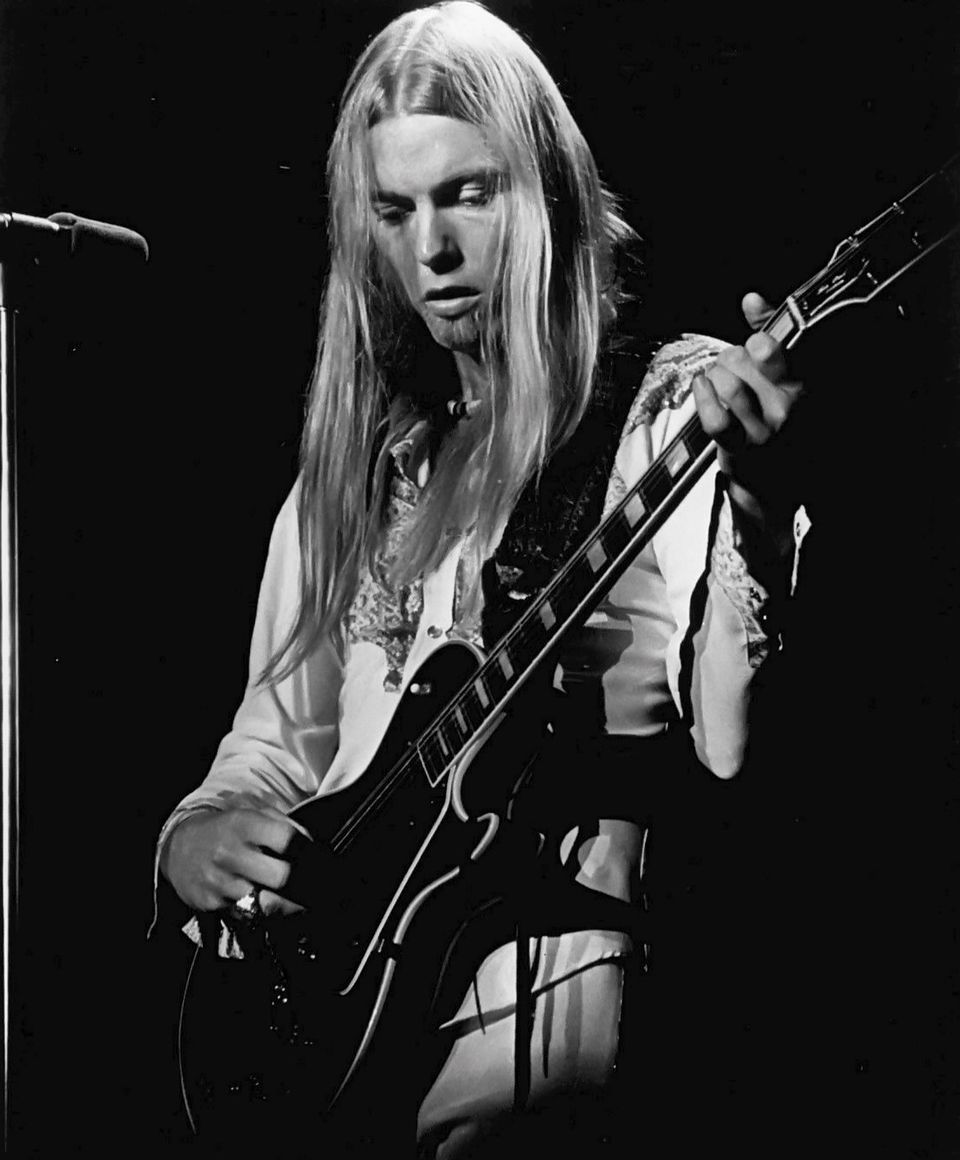
There are artists the world celebrates. And then there are artists the world never fully understood - until now.
Gregg Allman was both.
The co-founder and frontman of the Allman Brothers Band died in 2017 at age 69 from complications from liver cancer, leaving behind one of the most emotionally powerful catalogs in American rock history. But behind the music was a man carrying wounds most people never saw coming.
This summer, that changes.
The Documentary
Gregg Allman: The Music of My Soul is directed by Grammy and Golden Globe Award-winning filmmaker James Keach and produced by Michael Lehman - Allman's longtime personal manager - set for theatrical release in North America this summer by Subtext, in association with Rolling Stone Films.
The film draws on previously unseen interviews and rare performance footage, offering an in-depth look at Allman's musical legacy and deeply personal journey. This is not a highlight reel. It is an honest, unfiltered portrait of a man who fell hard and kept getting back up.
The Pain Behind the Music
To understand Gregg Allman, you have to start with loss. His older brother Duane - his bandmate, his closest friend, the person who believed in him most - died in a motorcycle accident on October 29, 1971, at just 24 years old. Gregg was 23.
The film candidly reflects on the death of Duane, Gregg's battles with addiction, and the personal demons that shaped both his life and his music. Rather than sidestep these chapters, the documentary leans directly into them - presenting them not as scandals but as the raw material from which real art is made.
Director James Keach said he personally connected to Allman's story, adding: "His soulful voice and brilliant songs reflect a life of redemption and hopefully will inspire all who witness his journey."
More Than a Rock Story
What makes this documentary significant goes beyond music. The film highlights how Gregg and the Allman Brothers Band rejected the racial divisions that defined much of the American South, grounding their sound in deep respect for Black musical traditions and collaboration with Black musicians at a time when integrated rock groups were rare. That was not a small thing in the American South of the late 1960s and early 1970s. It was a statement of conviction.
Producer Michael Lehman, who was Allman's longtime manager, said: "Gregg's music has outlived him and will bring joy to many generations in the future."
For a faith community that believes in second chances, in the power of grace over guilt, and in beauty rising from broken places - this is exactly the kind of story worth watching. Gregg Allman's life was not perfect. But it was real. And real, redeemed lives are worth celebrating.
An exact premiere date has not yet been announced. JubileeCast will keep you updated as the release approaches this summer.
Source: greggallman.com | ArtThreat.net


