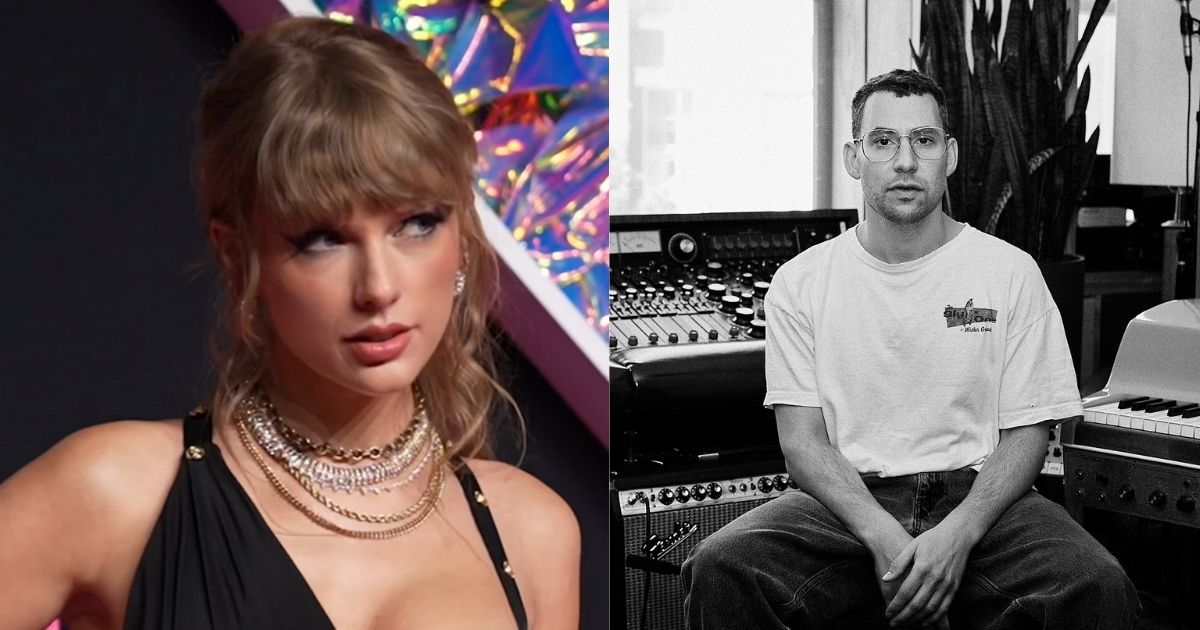
Taylor Swift is setting the record straight-and putting an end to growing speculation surrounding her relationship with longtime collaborator Jack Antonoff. After fans noticed his absence from her latest album The Life of a Showgirl, rumors of a possible fallout quickly spread across social media. Now, the global pop icon has responded directly, offering clarity that many had been waiting for.
In a recent interview with The New York Times, published on April 28, Swift made her stance clear with a simple but definitive statement: "Jack Antonoff is a collaborator of mine and one of my best friends." With that, she effectively shut down any talk of tension between the two, reaffirming a creative partnership that has shaped some of the most influential pop music of the last decade.
The speculation began when Antonoff-who has been a central figure in Swift's sound since 2013-was noticeably absent from The Life of a Showgirl. Instead, Swift worked with producers Max Martin and Shellback, both of whom have a long history with her, particularly on earlier projects like Red. While the shift in collaborators surprised some fans, it also reflects Swift's ongoing desire to evolve creatively rather than remain confined to one formula.
Despite the change, Swift emphasized that her bond with Antonoff remains strong, both personally and professionally. Their collaboration dates back to "Sweeter Than Fiction" in 2013 and has since spanned multiple critically acclaimed albums, including 1989, Reputation, Lover, Folklore, Evermore, Midnights, and The Tortured Poets Department. Together, they have crafted songs that not only dominate charts but also resonate deeply with listeners navigating themes of love, identity, and personal growth.
One of the most distinctive elements of their creative partnership is what Swift calls the "rant bridge." Describing it as a stream-of-consciousness expression filled with emotion, metaphor, and intensity, Swift explained that these moments are designed to serve as the emotional peak of a song. Tracks like "Out of the Woods," "Cruel Summer," and "Is It Over Now?" showcase this technique-blending vulnerability with powerful storytelling in a way that has become a signature of her songwriting.
Beyond music, Swift is also navigating the complexities of fame in a rapidly changing digital world. Recent reports indicate she has filed multiple trademark applications aimed at protecting her voice and image, particularly in response to the growing use of artificial intelligence. These moves highlight her commitment to maintaining control over her identity and creative output in an era where authenticity is increasingly challenged.
For fans, the reassurance about Antonoff brings a sense of continuity. While artists often explore new directions, enduring creative relationships like theirs serve as a reminder that meaningful collaboration can withstand change. In a culture that often thrives on conflict and speculation, Swift's response offers a quieter, more grounded perspective-one rooted in loyalty and mutual respect.
From a broader lens, moments like this point to something deeper: the value of truth over assumption. In a world quick to draw conclusions, Swift's clarity reflects a principle that resonates strongly within faith-centered communities-the importance of honesty, trust, and preserving relationships even amid public scrutiny.
As Swift continues to shape her next chapter, one thing remains certain: her story with Jack Antonoff is far from over.


