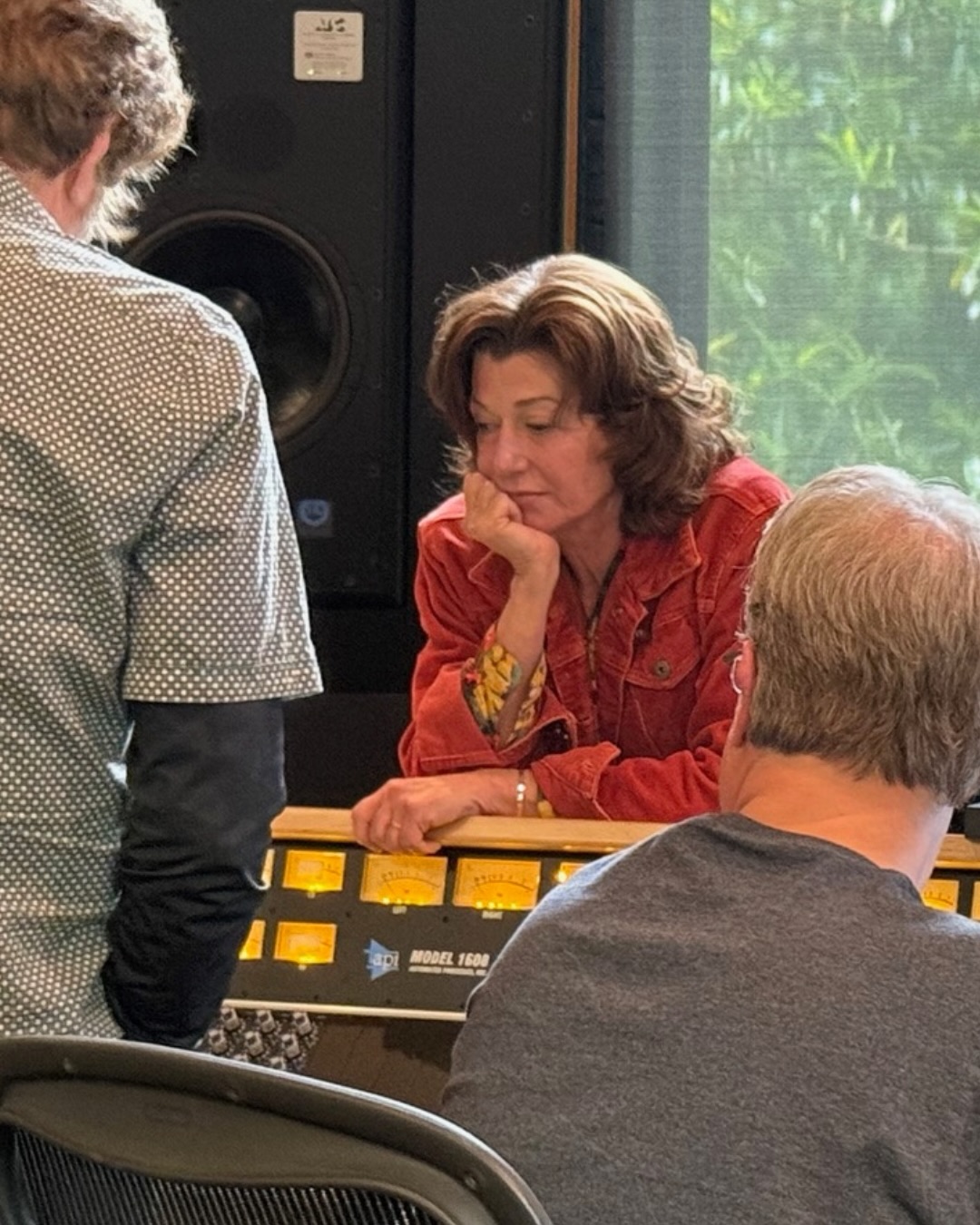
After more than four decades as one of Christian music's most beloved and influential voices, Amy Grant is entering a deeply reflective new chapter - one shaped by survival, healing, aging, faith, and a renewed appreciation for simply being alive.
In an emotional and wide-ranging conversation on NPR's Wild Card with Rachel Martin, Grant opened up with unusual honesty about the life experiences that shaped her long-awaited return to songwriting on her new album, The Me That Remains.
The interview marks one of Grant's most candid public conversations in years, as the Grammy-winning singer reflected on how a series of major health crises fundamentally changed both her perspective and her creativity.
Following the COVID-19 shutdowns, Grant underwent open-heart surgery after doctors discovered a previously undetected congenital heart condition. Just two years later, she suffered a traumatic brain injury in a devastating bicycle accident that forced her into months of recovery and silence.
"I lived in my backyard with my shoes off in the grass," Grant recalled, describing the quiet months after her accident. "Just writing and trying to recall things."
For a performer known for sharp storytelling, quick humor, and decades of live performances, the recovery process became deeply frightening. Grant admitted there were moments she wondered whether parts of herself - creatively and mentally - might never fully return.
"What if this is all I get back?" she remembered asking her husband, country music legend Vince Gill.
Instead of immediately chasing another album, Grant said she slowly began writing songs one at a time, without realizing they would eventually become a new project. Over time, however, she felt increasingly compelled to speak honestly about the realities of growing older and navigating life after trauma.
"At some point I thought, am I doing us all a disservice by not writing about what life feels like now?" she shared.
One of the interview's most moving moments came as Grant discussed learning to let go of comparisons to her younger self. During therapy, she said she was encouraged to write a "eulogy" for the younger version of Amy Grant - an exercise that profoundly shifted her outlook on aging.
"I really just basically bid farewell to that younger woman," she explained. "I'm gonna stop looking for what I cannot find, and then discover all that is."
The conversation also explored Grant's evolving understanding of faith. Long known for pioneering contemporary Christian music while crossing successfully into mainstream pop, Grant spoke openly about how her beliefs have become less about certainty and more about humility, compassion, and wonder.
Asked what truth guides her life most deeply, Grant responded simply: "We are loved."
She later reflected that while her understanding of God has changed over the years, her sense of awe has only grown stronger.
"I don't think God has changed," she said. "But I have."
Grant also discussed one of the album's most surprising tracks, "The Sixth of January," which touches on cultural unrest and division in America. Though some friends warned her not to release the song, Grant said she felt compelled to engage honestly with the tensions shaping modern life.
"I've always sung about unrest in my own life," she explained. "Why wouldn't I sing about unrest within our culture?"
Throughout the interview, listeners witnessed a version of Amy Grant that felt simultaneously fragile, grounded, thoughtful, and deeply hopeful - qualities fans immediately praised online. Many described the interview as one of the most profound and authentic conversations Grant has given in years.
Now, with The Me That Remains, Grant is not attempting to recreate who she once was. Instead, she appears to be embracing something quieter, deeper, and perhaps even more powerful: the grace to accept the person she has become.


