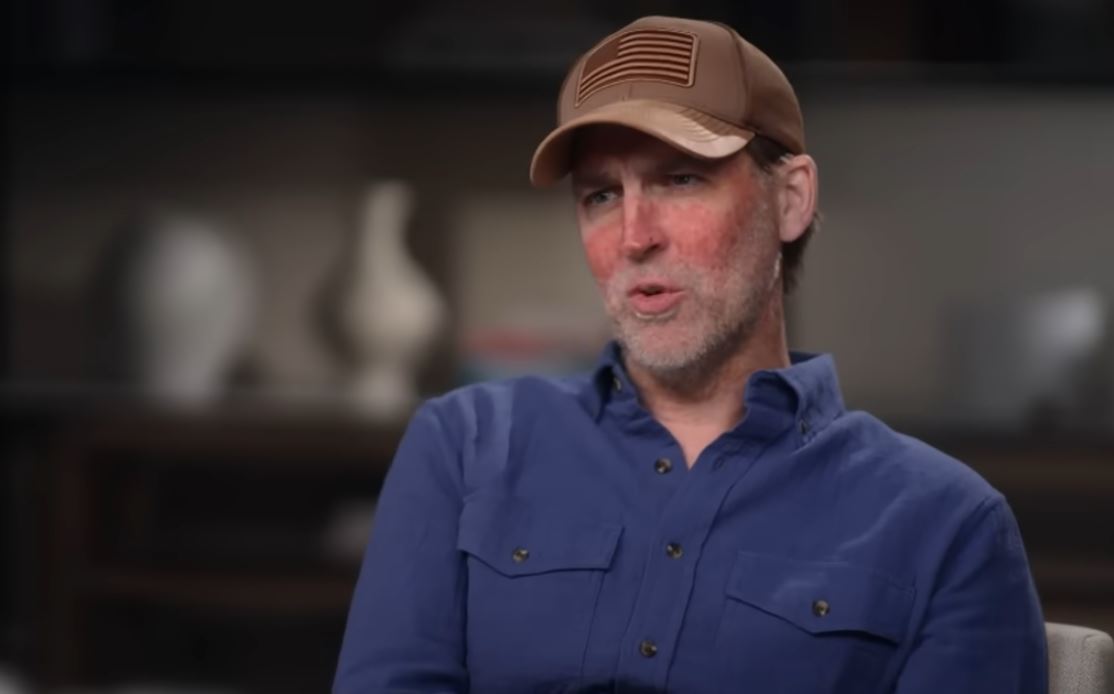
Former U.S. Senator Ben Sasse is drawing widespread attention not only for his battle with stage-IV pancreatic cancer, but for the deeply theological and openly Christian way he is confronting suffering, mortality, and death in public.
A longtime voice within conservative intellectual and political circles, Sasse-whose beliefs are often associated with Reformed Theology and broader Calvinist theology-has spent recent months speaking candidly about God's sovereignty, Providence, repentance, resurrection, and what it means to prepare spiritually for death.
As highlighted in a recent feature published by The Gospel Coalition and written by Alex Harris, Sasse has chosen not to hide from the public eye following his devastating diagnosis. Instead, he has used interviews, podcasts, and public conversations to reflect on life, faith, family, politics, technology, and eternity.
Central to Sasse's reflections is a strong belief in God's sovereignty. He has repeatedly echoed the famous Reformed expression that "there are no maverick molecules in the universe," emphasizing his conviction that even cancer exists under the providential care of God and does not surprise Him.
Though Sasse openly describes death as "wicked" and "evil," he has also called his diagnosis "a touch of grace," explaining that it stripped away illusions of self-sufficiency and forced him to depend more fully on God. In numerous appearances, he has embraced the ancient Christian idea of memento mori-"remember you will die"-not with despair, but with gratitude, repentance, and eternal perspective.
The former senator has spoken about the importance of daily repentance for sins of both omission and commission, finding peace not in his accomplishments, but in the promise of resurrection through Christ. His reflections consistently return to the conviction that earthly achievements are temporary, while eternity is ultimate.
In one widely discussed interview referenced by the article, Sasse quoted Philippians 1:21: "To live is Christ, and to die is gain," while affirming his belief in the resurrection and the restoration of creation.
Sasse has also used his final season of life to challenge modern cultural priorities. He has emphasized slowing down, putting aside endless technological distraction, recovering Sabbath rhythms, and investing deeply in family life, worship, and meaningful community. According to those following his journey, his witness has become an unusually public example of what many Christians describe as "dying well."
Beyond personal faith, Sasse continues offering reflections on politics and technology through a theological lens. He warns Christians not to make politics ultimate and argues that much of modern social fragmentation is tied to the digital revolution reshaping human attention, relationships, and spiritual formation.
For many believers, Sasse's journey has become more than a political story. It is increasingly viewed as a modern testimony of Christian endurance-one marked by suffering, repentance, theological seriousness, and visible hope in the face of death.
Related Article:
John Piper Expresses "Awe" at Ben Sasse's Faith Amid Terminal Cancer Battle


