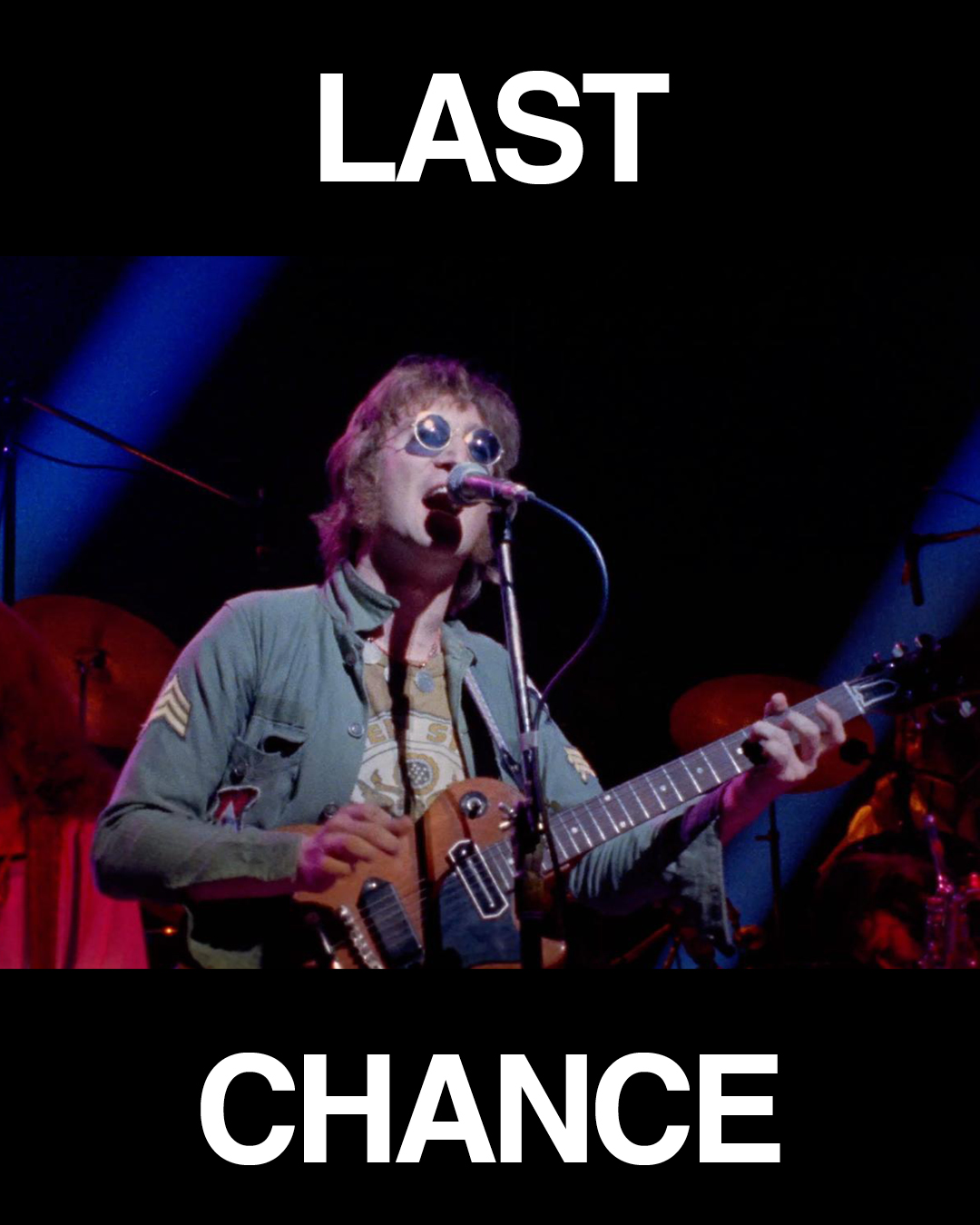
On December 8, 1980, John Lennon sat down in his New York apartment for what turned out to be the last interview of his life. Hours later, he was shot and killed outside the same building.
That conversation - a nearly two-hour audio recording made by a San Francisco radio crew visiting the Dakota that afternoon - has never been released in full. Until now.
John Lennon: The Last Interview, directed by Steven Soderbergh, premiered at the 79th Cannes Film Festival on Saturday, May 16, 2026, as a special screening. It is built almost entirely around those surviving tapes, and early reviews describe it as one of the most intimate portraits of Lennon ever put on film.
What the Interview Actually Contains
Lennon was 40. He and Yoko Ono were promoting Double Fantasy, their comeback album after five years away from music - years Lennon had spent, by his own description, as a househusband in charge of raising their young son Sean. The interviewers from KFRC radio had been warned not to ask about the Beatles. Lennon brought the Beatles up himself, speaking about his creative bond with Paul McCartney with a warmth that surprised even the people in the room.
The conversation ranged widely. Lennon spoke about love, peace, fatherhood, the joy of returning to songwriting, and the importance of men learning to listen better. He talked about his marriage, his creative process, and what he hoped music could still do in the world. The three radio staff members who conducted the interview - Laurie Kaye, Dave Sholin, and Ron Hummel, now in their 70s - appear in the documentary to share their memories of that afternoon.
They left the building that evening. Shortly after, on their way out, they exchanged a few words with the man who would kill Lennon later that night. That detail casts a long shadow over everything that came before it in the interview - but Soderbergh deliberately keeps it brief, ending the film with a short coda rather than dwelling on the tragedy.
"It's like the world took place in one day, in this apartment," Soderbergh said at Cannes.
How Soderbergh Built the Film
The core challenge was visual. The interview exists only as audio - a stereo cassette recording made on 1980 state-of-the-art equipment. Soderbergh assembled more than a thousand archival photographs and clips to carry the film visually, including family snapshots, familiar publicity images, and vintage Beatles footage. The soundtrack draws from 64 titles spanning Lennon's solo catalog and Beatles recordings.
For roughly 10% of the film - the stretches where Lennon and Ono discuss more abstract subjects like love, peace, and the future - Soderbergh turned to Meta's artificial intelligence software to generate what he calls "thematic surrealism": visual imagery designed to accompany ideas that resisted conventional illustration.
He disclosed the AI use publicly well in advance of the premiere, which itself became a story. Soderbergh framed his transparency as a deliberate choice and a statement about an industry conversation that is largely happening in secret.
"We're not aware of the extent that this is being used and used to manipulate us," Soderbergh said at Cannes. "We don't know because they're not telling."
Critical response to the AI sequences has been largely negative - most reviewers at Cannes found them unnecessary and distracting from the power of the interview itself. The documentary as a whole has received warmer notices, with reviewers praising its intimacy and the quality of the source material.
What the interview captures is a man at peace - not in a passive way, but with genuine forward momentum. Lennon at 40 was talking about what he still wanted to do, what he still believed music could accomplish, and what kind of person he was still trying to become. He signed a copy of Double Fantasy that morning for a fan outside the Dakota. The poster is currently on display at a memorabilia exhibition in London.
For a music community rooted in the belief that songs carry meaning that outlasts the person who wrote them, Lennon's final afternoon is a striking reminder of exactly that. He spent his last hours talking about love, peace, creativity, and what it means to keep showing up for the people in your life. The interview surfaced those things clearly - and this documentary makes sure they are heard.
No release date beyond the Cannes premiere has been confirmed. The film is currently in international sales through distributor 193.


