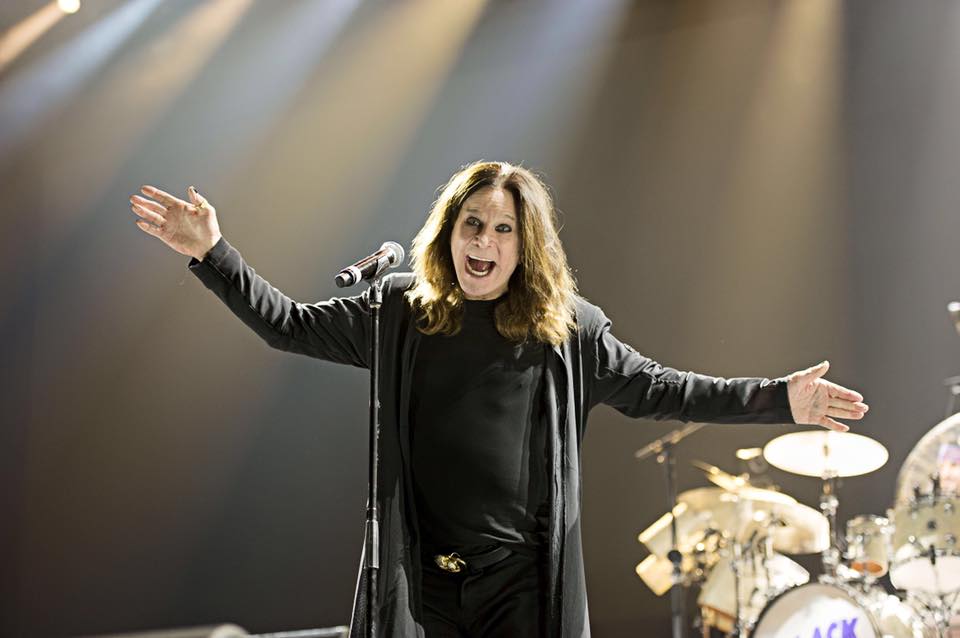
Even after the death of Ozzy Osbourne in 2025, the Prince of Darkness may soon be speaking to fans again - this time through artificial intelligence.
During the 2026 Licensing Expo, Sharon Osbourne and Jack Osbourne revealed that the Osbourne family has partnered with HYPERREAL to develop a highly realistic AI-powered version of Ozzy known as "Digital Ozzy."
According to Jack Osbourne, the project recreates Ozzy's "digital DNA," including his voice, facial expressions, movements, and personality traits. Sharon Osbourne said future fans may eventually be able to ask the digital version of Ozzy questions and hear responses delivered back in Ozzy's own unmistakable voice.
Jack admitted the technology is already "kind of scary" because of how realistic it has become, while Sharon described the possibilities as "endless."
The Osbourne family says "Digital Ozzy" is expected to begin appearing publicly later this year through hologram-style experiences and installations across the United States and United Kingdom. They also confirmed plans to continue expanding the Ozzy Osbourne brand, including a possible revival of Ozzfest in 2027.
But online reaction has been sharply divided.
Some fans view the project as a groundbreaking way to preserve Ozzy's legacy for future generations, comparing it to archived interviews, documentaries, or hologram concerts already used in entertainment. Supporters argue that Ozzy's larger-than-life personality and voice deserve to live on in an interactive format that allows younger fans to experience him in a new way.
Others, however, say the idea feels deeply unsettling.
Critics argue that recreating deceased celebrities with AI risks turning human beings into permanent digital products. Some fans questioned whether interacting with a synthetic version of Ozzy crosses ethical lines, especially when grief, memory, and commercial branding become intertwined. Others expressed discomfort with hearing a dead celebrity "speak" through technology after their passing.
The debate surrounding "Digital Ozzy" reflects a much larger cultural conversation now emerging across music, film, and entertainment: just because AI can recreate someone after death, should it?
As AI technology rapidly evolves, the line between tribute, preservation, and exploitation is becoming increasingly blurred - and few projects highlight that tension more dramatically than the resurrection of one of rock music's most iconic voices.


