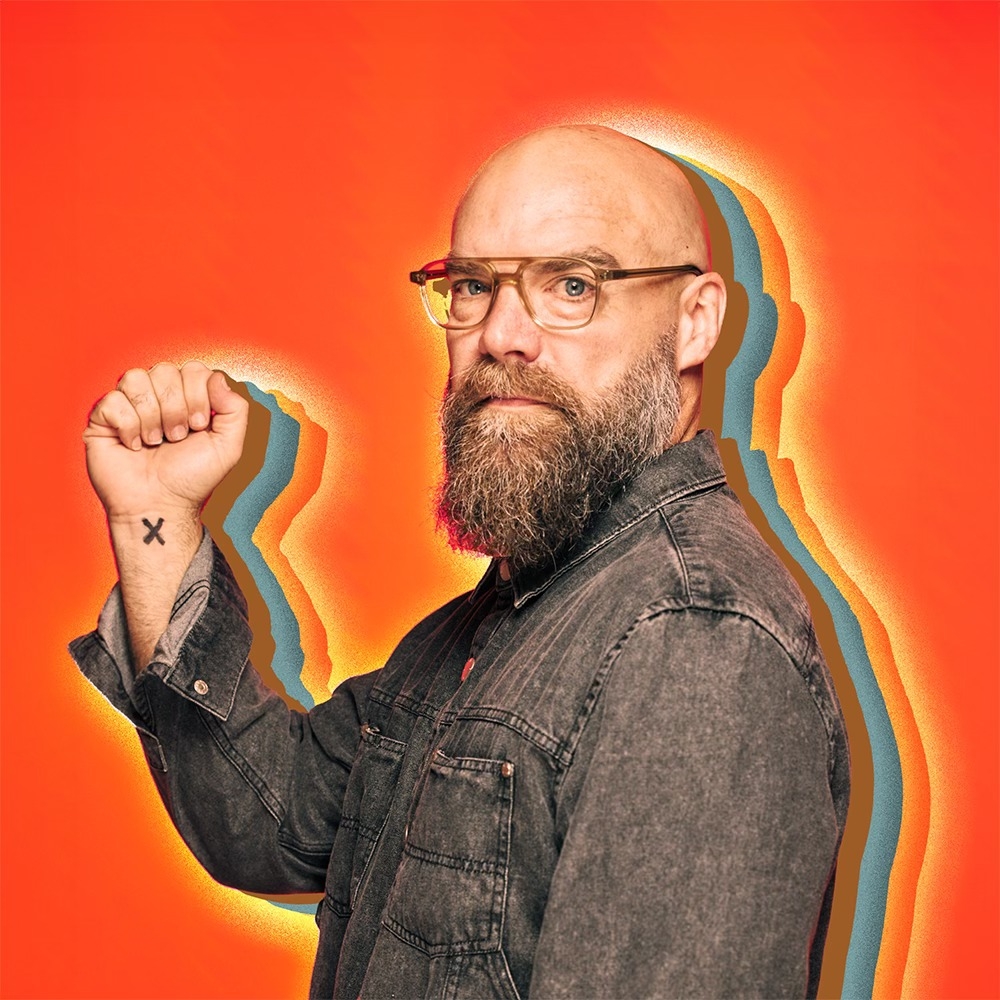
Grammy-nominated singer-songwriter, worship leader, and author Tim Timmons is sharing one of the most personal conversations of his career, opening up about his ongoing battle with stage 4 cancer, his struggles with doubt, and the lessons he has learned about trusting God in the midst of uncertainty.
Appearing on The Unfolding podcast with host Meredith Foster, Timmons offered listeners a candid look at a journey that began more than 25 years ago when doctors diagnosed him with incurable stage 4 cancer and gave him just five years to live.
Today, more than two decades later, Timmons is still living with the disease. While tumors remain on his liver, he continues to minister, write music, speak, and encourage others through a message centered on surrender, trust, and the presence of God in everyday life.
"I hate cancer," Timmons admitted during the conversation. "I hate that one of my best friends died three weeks ago. I hate it. And I will grieve that all day. But I will also say, 'You woke me up again today.'"
The interview explored not only Timmons' cancer journey but also the deeper spiritual questions that emerged long before his diagnosis. Growing up as the son of a prominent pastor and author, Timmons described how his parents' divorce during his teenage years shattered many of his assumptions about life and faith.
"It was my first sorrow," he explained. "The things that I had hoped and dreamed of were shattered in that moment."
Those experiences led him to wrestle honestly with questions about God, church, and belief. Rather than suppressing those questions, Timmons said a mentor encouraged him to "doubt well," a phrase that continues to shape his faith today.
"I think it's okay to ask hard questions," he said. "If we're not asking them, eventually life will force us to wrestle with them."
In one of the most striking moments of the conversation, Timmons acknowledged that faith has never meant possessing complete certainty.
"There are days I'm 70 percent sure this whole Jesus thing is real," he admitted. "There are other days I'm 92 percent sure. But that's called faith. If we had everything figured out, there would be no need for faith."
Despite his honesty about doubt, Timmons repeatedly pointed listeners back to the person of Jesus. He described being drawn not primarily by theological certainty but by the beauty of Christ's life and teachings.
"When I look at the way of Jesus, I want that," he said. "The way He treated people, blessed His enemies, loved those on the margins-that's the life I want."
The conversation also revisited the moment that changed the trajectory of his life. At age 25, shortly after getting married and while preparing to pursue a career in mainstream music, Timmons learned that he had incurable cancer.
Looking back, he believes God had been preparing him through a passage that repeatedly appeared in Bible studies, sermons, and conversations: Philippians 1:21-"For me to live is Christ and to die is gain."
When the diagnosis arrived, that verse became an anchor.
"I almost felt prepared," Timmons recalled. "It was as though God was saying, 'For the rest of your life, live with Me. And if you die, that's gain.'"
The interview also highlighted the struggles his wife faced as she wrestled with unanswered prayers for healing. Rather than condemning those questions, Timmons praised the honesty of her journey and said wrestling with God can ultimately lead to a deeper trust.
Over the years, one of the most important lessons Timmons says he has learned is the difference between surrender and contentment.
"I used to think surrender was the goal," he explained. "But you can surrender and still be angry about it. What's underneath surrender is contentment."
According to Timmons, contentment is not the absence of pain but the ability to trust that God remains at work even when circumstances are difficult.
That perspective has become especially meaningful as he continues to live with cancer. Rather than viewing each day through the lens of survival, he now sees every morning as a gift.
One of the practices that reminds him of this truth is drawing an "X" on his wrist every day. The symbol serves as a reminder that he has been given another day to follow Jesus and participate in what God is already doing.
The practice eventually inspired his ministry, 10,000 Minutes, a movement built around the idea that Christians are called to follow Jesus not just during the approximately 80 minutes they spend in church each week, but during the other 10,000 minutes that make up everyday life.
Timmons also reflected on a significant turning point in his ministry when he realized he had spent years "working for Jesus" rather than walking with Him.
"I told God, 'I'm done working for You,'" he recalled. "I will never work for You another day of my life. But I will join You for the rest of my days."
That shift eventually led to a new season of music, ministry, and unexpected opportunities, including a close friendship with MercyMe frontman Bart Millard. Timmons shared how a song he helped write eventually became a MercyMe recording and later played a role in the story portrayed in I Can Only Imagine 2.
Yet for Timmons, the greatest reward has never been awards, tours, record deals, or seeing parts of his story adapted for film.
"My favorite part isn't the Grammys or the movie," he said. "My favorite part is that I stopped trying to build my kingdom and started joining Jesus in His."
Today, after more than 25 years of living with stage 4 cancer, Timmons says he remains focused on a simple daily prayer:
"Jesus, You have my attention."
For those facing grief, disappointment, illness, or seasons of doubt, his testimony serves as a reminder that faith is not the absence of questions but the willingness to keep walking with God through them.
As Timmons concluded, "Tomorrow has its own stuff. But today, we're just going to hang out with Jesus."


