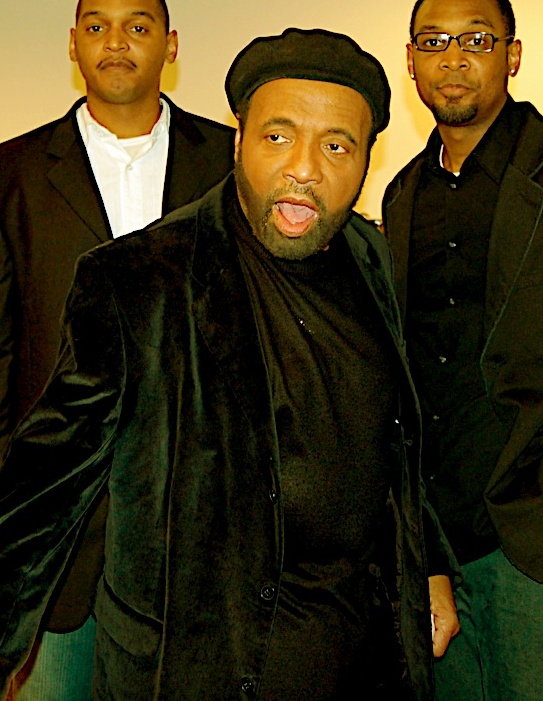
Long before contemporary Christian music became its own genre, one preacher's son from Los Angeles was already blending gospel with the pop sounds of his time - a path that would eventually put his choir behind Michael Jackson and Madonna.
Andraé Crouch was born in 1942 to a father who pastored a small Church of God in Christ congregation that started in a San Fernando Valley garage. Crouch has said his father prayed for a piano player for the church, and three weeks later, a young Andraé was playing keys for the congregation. He wrote his first gospel song at 14.
By the 1960s and '70s, Crouch was doing something few gospel artists of his era attempted: folding rock, jazz, and R&B influences into gospel music, a fusion historians credit with helping pave the way for the modern contemporary Christian music genre. Songs like "The Blood Will Never Lose Its Power," "My Tribute (To God Be the Glory)," and "Soon and Very Soon" became gospel standards still sung in churches today.
His crossover reach became undeniable in the 1980s, when Crouch and his singers provided the gospel choir sound behind Michael Jackson's "Man in the Mirror" and Madonna's "Like a Prayer," along with work for Elton John, Stevie Wonder, and Quincy Jones. Elvis Presley, Paul Simon, and Bob Dylan all recorded his songs.
Crouch won seven Grammy Awards and four GMA Dove Awards, earned an Oscar nomination for his work on The Color Purple, and became just the third gospel artist in history to receive a star on the Hollywood Walk of Fame. He died in 2015, but Michael W. Smith summed up his influence simply: few artists shaped Christian music more than the man who first learned piano in his father's garage church.


