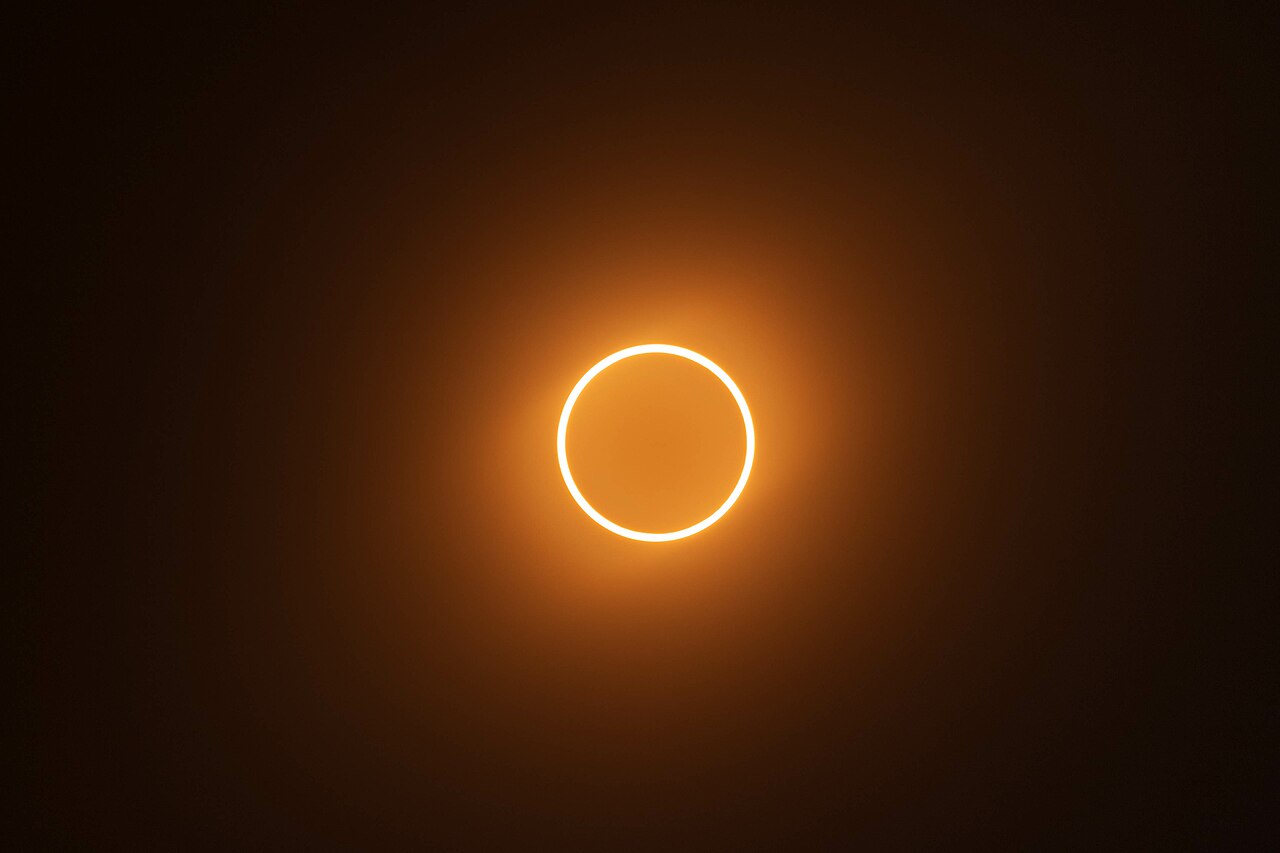
With two weeks left until the August 12 total solar eclipse crosses northern Spain for the first time since 1905, a new concern has emerged: wildfire smoke. More than a dozen major fires are currently burning across Spain, and researchers say the smoke could interfere with visibility right in the path of totality.
Becky Wagner, an air quality and climate researcher at the University of Sheffield, told TIME magazine that drought conditions have kept fire risk "extreme" across much of the country, with little rain expected before the eclipse. Because totality in Spain occurs with the sun low on the horizon, sunlight has to pass through a much longer, hazier stretch of atmosphere than it would at midday - meaning even smoke far from a viewing site could dim or wash out the eclipse's dramatic "diamond ring" effect. Beyond visibility, wildfire smoke can also affect air quality for anyone spending hours outdoors watching the sky, according to guidance from the U.S. CDC.
The good news: forecasters still give Spain and the Balearic Islands the best overall odds of clear skies along the entire path of totality, which also crosses Greenland, Iceland and northern Russia. Skywatchers planning to travel are being advised to check real-time smoke and cloud data in the days just before the event rather than relying on seasonal averages alone.
Whatever the sky looks like on August 12, the eclipse remains a rare reminder - smoke, clouds, or clear view alike - of how little control we truly have over creation, and how much wonder still fits into a single afternoon.
For full visibility times and safety guidance, see our earlier coverage below.
Related Articles
- Total Solar Eclipse 2026: Exact Times, Where It Will Be Visible, and Why It Won't Reach the U.S.
- One Month Until the Total Solar Eclipse: Is It a "Sign of the Times," or Just the Sky Doing What It Always Does?


