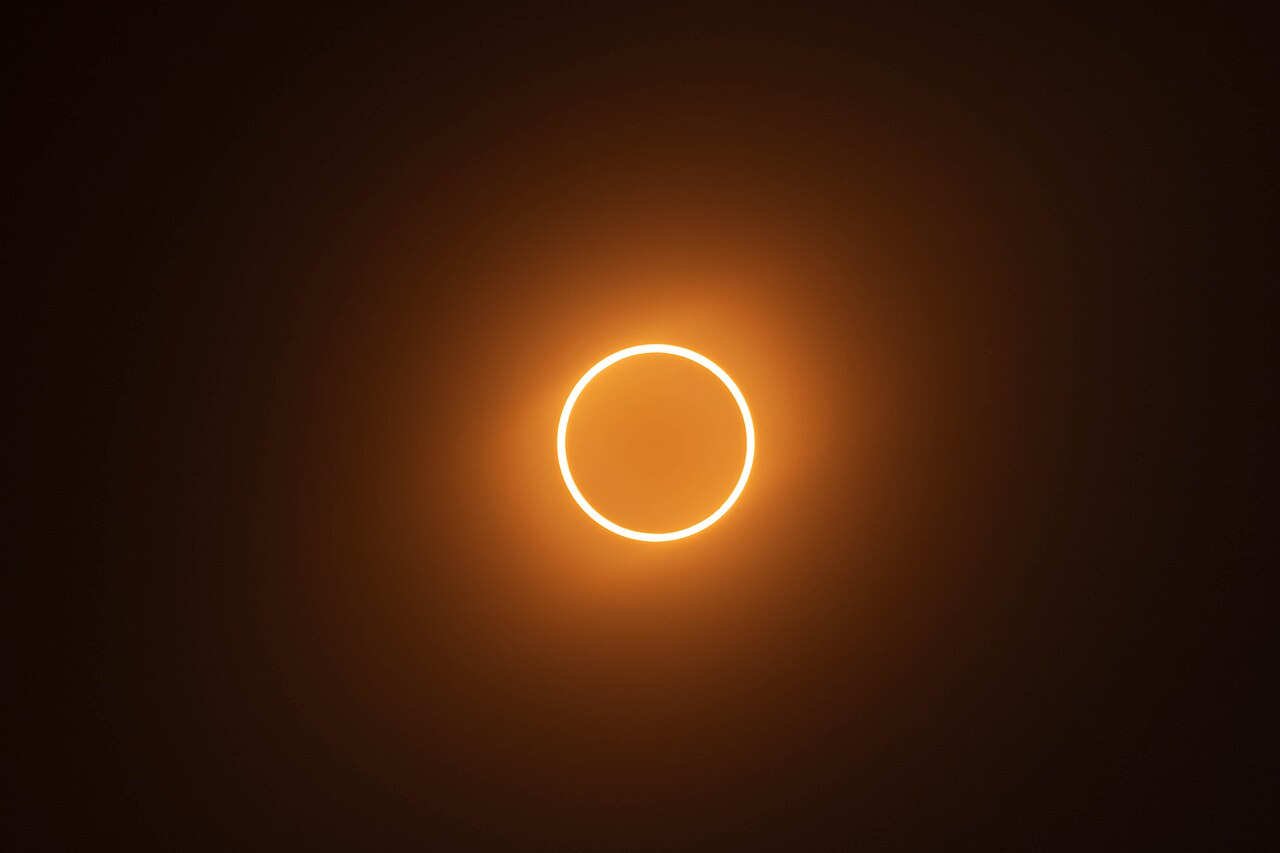
A total solar eclipse will sweep across the Northern Hemisphere on Wednesday, August 12, 2026, plunging parts of the Arctic, Greenland, Iceland, and northern Spain into daytime darkness. It will be the first total solar eclipse visible from mainland Europe since 1999 - and the first seen from Spain since 1905.
For most of the United States, this one will only be a partial eclipse. Here's everything you need to know about when it happens, where to see it, and why the sky briefly goes dark during totality.
Where Will the August 12 Solar Eclipse Be Visible?
Unlike a lunar eclipse, which can be seen from an entire hemisphere at once, a total solar eclipse is only visible along a narrow path called the path of totality.
Path of Totality (Full Darkness)
- Northern Russia (Siberia, near the Arctic)
- Greenland
- Iceland
- Northern Spain
- The northeastern corner of Portugal
- The Balearic Islands
Partial Eclipse Visible From
- Most of Europe, including the UK and Ireland
- Northwestern Africa
- Alaska
- Atlantic Canada and New England
- Parts of the northern contiguous U.S.
No part of the continental United States will see totality this time. The deepest partial views in North America will be in Alaska, where the eclipse happens near sunrise, and in far northeastern states and Atlantic Canada, where the Moon will only take a small "bite" out of the Sun.
Exact Times for the August 12 Eclipse
Because the path of totality stretches across so many time zones, the eclipse looks different depending on where you are.
- Northern Russia: Totality occurs near midday
- Greenland and Iceland: Totality occurs in the late afternoon to early evening
- Northern Spain: Totality occurs shortly before sunset, creating a rare "sunset eclipse"
- Northeastern U.S. and Atlantic Canada: Partial eclipse visible in the afternoon
Totality itself will last up to 2 minutes and 18 seconds, with the longest duration near Iceland and Greenland. In Spain, totality will be brief, low on the horizon, and paired with a "diamond ring" effect as the eclipse coincides with sunset.
For exact times based on your location, NASA and timeanddate.com both offer city-by-city lookup tools.
Why Doesn't the U.S. See Totality This Time?
The path of the Moon's shadow depends entirely on the geometry of the Sun, Moon, and Earth at that exact moment - and this year, that path tracks from the Arctic down through the North Atlantic to the Mediterranean, never reaching North America's mainland.
Americans got a coast-to-coast total eclipse in April 2024. The next one visible from the U.S. will happen in Alaska in 2033, and the next one crossing the contiguous United States isn't until 2044.
A Bonus for Stargazers: Perseids Peak the Same Night
August 12 also marks the peak of the Perseid meteor shower, one of the most active of the year. Skywatchers outside the eclipse path can still look forward to a strong night of shooting stars after dark.
Do You Need Eclipse Glasses?
Yes - and this is the most important safety difference from a lunar eclipse.
Unlike the blood moon, which was completely safe to view with the naked eye, a solar eclipse requires proper protection at all times except during the brief seconds of totality itself.
- Use only ISO 12312-2 certified eclipse glasses
- Regular sunglasses, no matter how dark, are not safe
- Never look at the Sun through a camera, phone, telescope, or binoculars without a certified solar filter attached
- Outside the path of totality, it is never safe to view the eclipse without eye protection, even briefly
What Does the Bible Say About the Sun Going Dark?
Scripture speaks of the sun being darkened as a sign of God's power and presence. The prophet Joel wrote that "the sun shall be turned to darkness" (Joel 2:31), language later echoed in Acts 2:20. The Gospels also describe darkness covering the land during the crucifixion of Jesus (Luke 23:44-45) - an event most scholars distinguish from a natural eclipse, since Passover always fell during a full moon, when a solar eclipse is astronomically impossible.
Even so, celestial events like this one have long stirred wonder among believers. A sky that briefly goes dark in the middle of the day is a reminder, for many Christians, of how small we are within a creation vast enough to still surprise us.
When Is the Next Total Solar Eclipse?
If you can't make it to the path of totality this August, mark your calendar for August 2, 2027, when a total solar eclipse will cross Spain, North Africa, and the Middle East.
Final Reminder
The August 12, 2026 total solar eclipse reaches totality across the Arctic, Greenland, Iceland, and northern Spain, while the rest of the Northern Hemisphere - including parts of the U.S. - sees a partial eclipse. Wherever you're watching from, proper eclipse glasses are essential.
Set a reminder, check your local time, and don't forget to look up.


