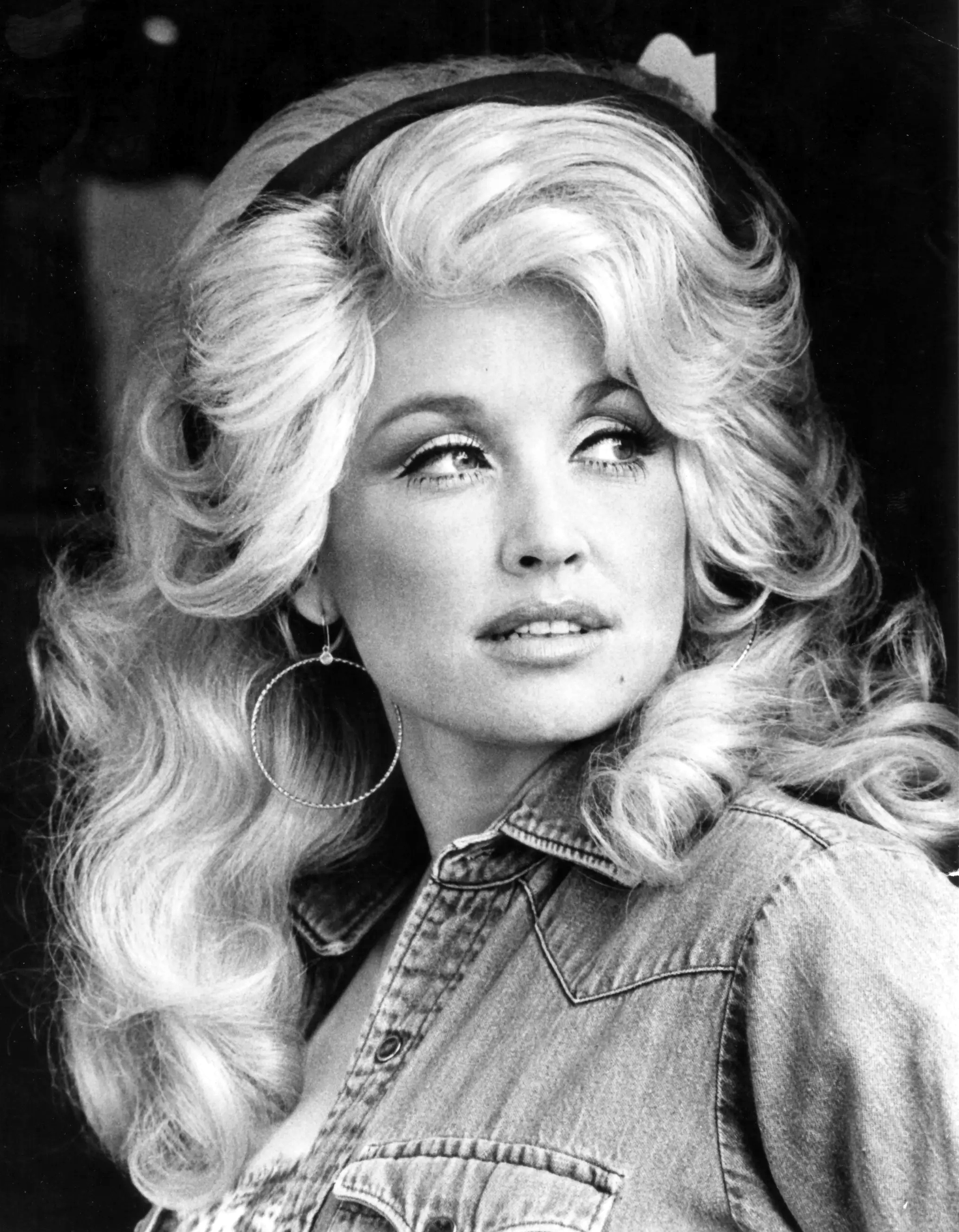
Dolly Parton's Wikipedia page has received an emotional makeover following her death, and the seemingly small change has sparked a surprisingly big conversation about how celebrities are remembered online.
Before Dolly's passing, the encyclopedia displayed a color photograph of the country legend taken in 2014. Visitors now see a glamorous black-and-white RCA Records publicity portrait from 1977, capturing Dolly during the decade in which "Jolene," "I Will Always Love You" and "Here You Come Again" helped turn her into an international superstar.
The side-by-side comparison quickly circulated across social media, where fans interpreted the change as Wikipedia quietly returning Dolly to the image that defined her career.
Some users claimed it was part of a little-known tradition in which Wikipedia replaces a celebrity's recent photograph with a younger portrait following their death. Similar observations have previously been made after the deaths of other entertainers, leaving people wondering whether Wikipedia editors deliberately preserve stars as the world remembers them best.
The truth is a little more complicated.
Wikipedia has no official rule requiring the photograph of a deceased celebrity to be replaced with a younger image. Its pages are edited by volunteers, and lead photographs are generally chosen because editors consider them recognizable, representative and technically suitable.
Copyright also plays a major role. Wikipedia ordinarily needs images that can be legally reused through Wikimedia Commons. Dolly's newly selected 1977 publicity photograph is listed as being in the U.S. public domain because it was issued without a copyright notice, making it much easier for editors to use than many professionally shot celebrity portraits.
Still, the timing has touched fans. The new image presents Dolly at approximately 31 years old, smiling beneath her signature towering blond hair just as she was making the leap from country favorite to mainstream phenomenon.
It also arrived as tributes, vintage photographs and memories flooded social media following her death at 80. For many admirers, the portrait feels less like a routine editorial update and more like a digital memorial-even if Wikipedia itself never officially described it that way.
The switch raises an intriguing question: Which version of a celebrity should represent an entire life? Should it be the person near the end of that journey, or the face audiences remember from the height of the career?
In Dolly's case, volunteer editors appear to have chosen the woman who was preparing to conquer pop radio, television and Hollywood while remaining unmistakably rooted in Tennessee country music.
So, no, Wikipedia does not have a secret department devoted to making deceased celebrities young again. But its volunteers sometimes revisit a biography after a death and select an image they believe better represents the subject's cultural legacy.
For Dolly, that meant turning back the clock to 1977-and fans are finding the quiet transformation unexpectedly moving.


