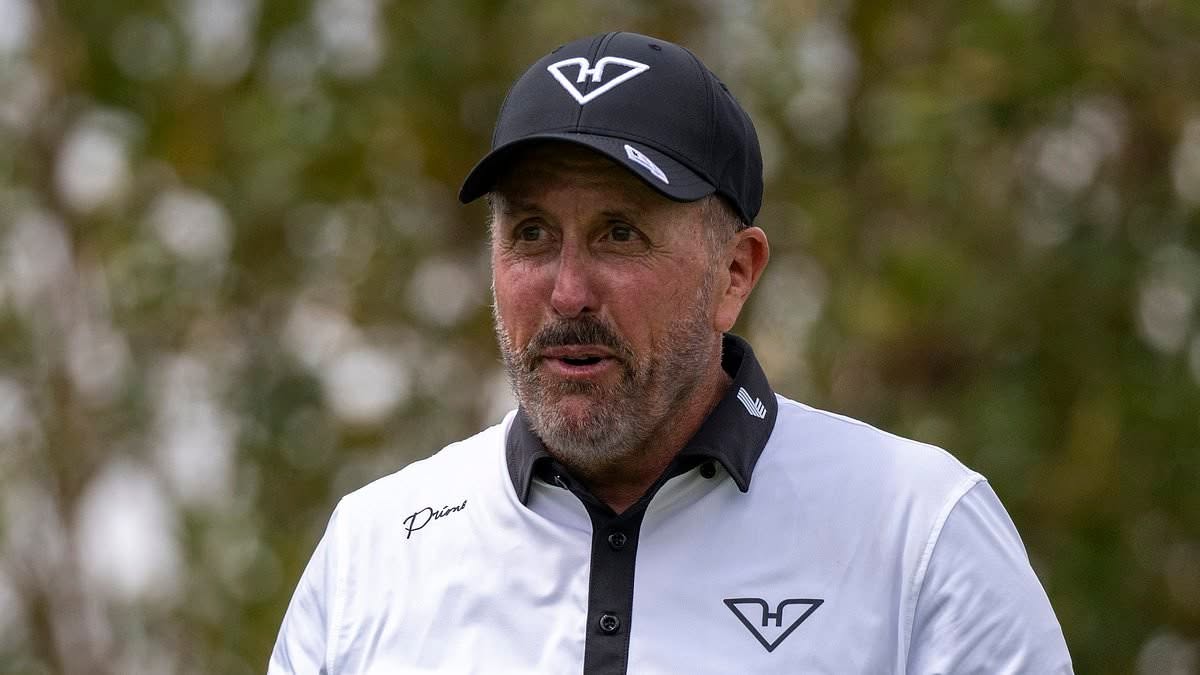
Phil Mickelson's latest headline concerns a struggle that tournament results cannot measure. The six-time major champion voluntarily entered a treatment facility for what his representative described as "family trauma and addiction," bringing renewed attention to the private challenges behind his reduced presence in professional golf.
TMZ Sports reported the treatment on September 30, citing Mickelson's representative. The outlet also said the golfer had already left the facility. The disclosure therefore concerns a treatment stay that has taken place, rather than an announcement that he has just been admitted.
The news has quickly moved beyond golf publications, drawing coverage from Reuters, People, and entertainment outlets. For a player whose career has supplied some of golf's most memorable moments, the revelation invites a searching question: what does rebuilding a life require when professional success offers little protection from personal difficulty?
A representative also confirmed the treatment to People. The statement did not identify the specific addiction, explain the family trauma, or disclose the length of his stay. Those gaps matter because the public already knows parts of Mickelson's history and may be tempted to connect them more confidently than the available information allows.
Mickelson has previously spoken publicly about gambling addiction. In a September 2023 statement, he described its impact on his relationships, acknowledged years of professional help, and credited his wife, Amy, with supporting his recovery. However, the latest representative's statement did not establish whether this treatment concerned gambling.
That earlier acknowledgment gives the story a human dimension beyond the familiar spectacle of a celebrity entering treatment. It points toward the strain that private struggles can place on the people closest to someone, even while the wider world continues to see an accomplished public figure.
Mickelson's limited competitive schedule has added to the questions surrounding him. Reuters reported that he played only one LIV Golf event in 2026 and withdrew from the PGA Championship amid family health concerns. The treatment disclosure offers some additional information, but it does not explain every absence or establish when he might return.
For Christian readers, the most useful response begins with humility about what remains unknown. Public interest in a famous athlete does not give strangers access to his diagnosis, his family's experiences, or the conversations taking place behind closed doors. Compassion requires resisting the urge to fill those spaces with a more dramatic story.
Seeking help also deserves a response that leaves room for both hope and responsibility. Galatians 6:2 calls believers to bear one another's burdens, a command that involves patient support rather than distant judgment. Where relationships have suffered, that support can include encouragement toward honesty, accountability, and respect for the needs of loved ones.
Leaving a facility cannot tell the public whether trust has been repaired or personal difficulties resolved. Nor should recovery be assessed through a triumphant statement or a successful return to competition. The work that matters most may unfold privately, without the clear scores and finishing positions that define a golfer's professional life.
Mickelson's next tournament will attract attention whenever it comes. For now, the more consequential development is that he sought treatment-and the people involved deserve the space to determine what comes next without being required to turn a private struggle into a public performance.


