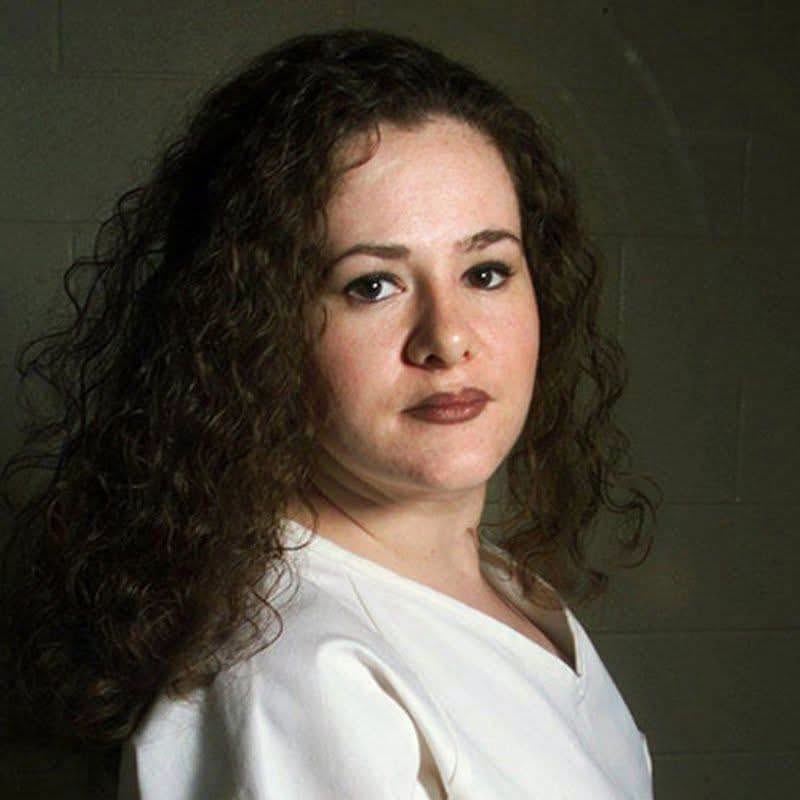
Newly released 911 recordings reveal why emergency help was delayed after Christa Pike survived Tennessee's September 30 execution attempt. A call requesting medical assistance was initially treated as false, and approximately 31 minutes passed before prison officials confirmed the emergency and began allowing responders inside.
The first call came at 8:40 p.m., according to PEOPLE's report. The caller said Pike was unconscious and not breathing normally but could not provide the code needed to verify an emergency call from the prison. That missing code led dispatchers and prison staff to question whether the request was real.
At 9:03 p.m., a dispatcher said the call was false and medical assistance was unnecessary. Five minutes later, Pike's attorney, Kelly Gleason, called 911 herself to request urgent treatment. Officials confirmed the emergency around 9:11 p.m., allowing responders through the gates. An AP reporter saw emergency vehicles reach a building inside the prison at 9:14 p.m.
Pike was taken to a hospital and remained on a ventilator for several days. She regained consciousness on October 6, and her attorneys announced October 10 that she had left the hospital and returned to prison. Tennessee has paused further executions while an independent review examines what went wrong.
The latest news is the release of recordings that help explain the delay following the September 30 incident. They raise a straightforward question: why did it take more than half an hour to confirm that someone inside the execution chamber needed emergency help?


