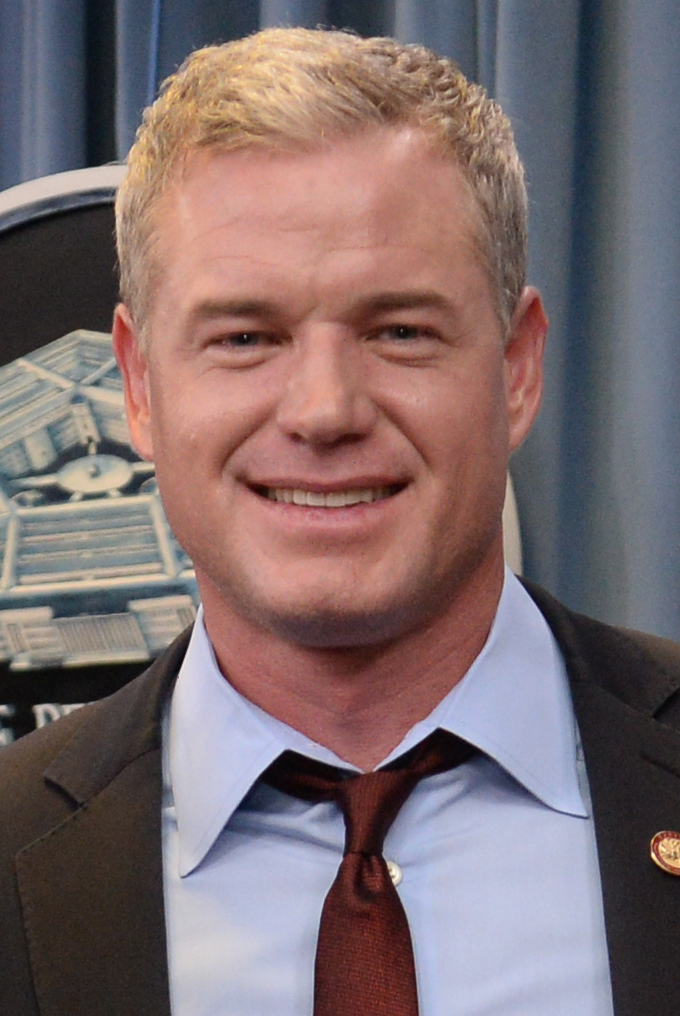
In the days following allegations that surfaced about Eric Dane's behavior on the Grey's Anatomy set, renewed attention is now turning to the actor's final year - and the difficult questions surrounding it.
As previously reported in our coverage of Laura Ann Tull's bullying claims, controversy re-emerged shortly after Dane's death at age 53.
Now, beyond the accusations, public discussion has widened to include his health battle, his long history of substance struggles, and whether any of it may have impacted the speed of his ALS progression.
Here's what is known - and what remains speculation.
A Rapid Decline After ALS Diagnosis
Eric Dane publicly revealed in April 2025 that he had been diagnosed with Amyotrophic Lateral Sclerosis (ALS), a neurodegenerative disease that progressively attacks motor neurons.
In a television interview just months later, he shared that he had already lost motor function in one arm and feared further decline.
ALS is often described as having a life expectancy of three to five years after diagnosis. Dane, however, passed away roughly one year after publicly disclosing his condition.
That accelerated timeline has led some observers to question whether underlying health factors may have played a role. But medical experts consistently caution that ALS progression varies widely from person to person.
There is no confirmed medical evidence linking Dane's past substance use directly to his diagnosis or rapid decline.
His Long Battle With Addiction
Dane had been candid in past interviews about struggles with addiction and mental health.
He began using substances as a teenager, achieved sobriety in his twenties, relapsed during the height of his Grey's Anatomy fame, and entered rehab in 2011 for prescription painkiller dependency.
In later interviews, he admitted that during certain periods, he was "not the same guy" producers had originally hired.
Friends quoted in entertainment reports have reflected on how addiction impacted his life and career. Some have wondered privately whether years of strain on his body may have contributed to his overall health challenges - but again, no official medical determination supports that conclusion.
The Controversies That Resurfaced
In addition to renewed discussion about his health, past controversies have resurfaced online.
These include:
-
A leaked intimate tape involving Dane and his then-wife Rebecca Gayheart
-
His 2011 rehab stay
-
Questions surrounding his departure from Grey's Anatomy
-
Laura Ann Tull's recent claims alleging on-set bullying
The timing - allegations emerging shortly after his death - has intensified debate across social media.
Some argue that accountability should not end with death. Others caution against speculation when the person at the center can no longer respond.
The Tension Between Legacy and Scrutiny
When a public figure dies young, especially after a painful illness, the narrative often becomes complicated.
Eric Dane was known to millions as "McSteamy," a charismatic television star. He was also a father, a former husband, and someone who openly acknowledged struggles with addiction and depression.
Those who were close to him have described his ALS diagnosis as a turning point - a season that reportedly brought reconciliation and clarity in personal relationships.
It is not uncommon, particularly within faith communities, to hold two realities at once: the truth of someone's flaws and the hope of personal change.
Accountability matters. So does compassion.
What Remains Clear
As of now:
-
He had a documented history of substance use and periods of recovery.
-
Allegations regarding past behavior have resurfaced following his death.
-
There is no verified medical evidence tying his addiction history directly to ALS progression.
In the absence of confirmed medical findings, much of the public conversation remains just that - conversation.
And in moments like these, the line between reporting and speculation becomes especially important.
Looking Ahead
The renewed scrutiny surrounding Eric Dane's final months reflects a broader cultural tension: how do we speak about complicated lives after they end?
For some, his story is one of caution. For others, it's one of struggle, vulnerability, and unfinished chapters.
As discussions continue, what remains undeniable is this: his final year was marked by illness, public reflection, and renewed examination of a life that was never as simple as the roles he played on screen.


