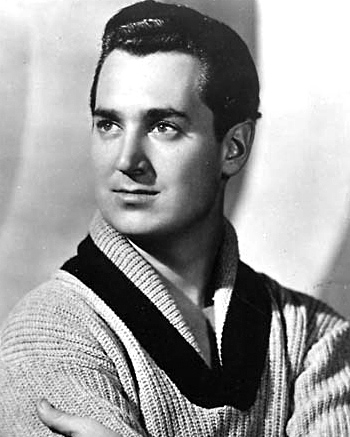
The passing of Neil Sedaka at age 86 has prompted fans across generations to revisit the music that made him one of pop's most enduring singer-songwriters. While headlines have marked the end of a remarkable life, the deeper story is found in the melodies he leaves behind.
With more than 500 songs written or co-written and over 40 million records sold, Sedaka's catalog spans heartbreak, youthful romance, reinvention, and resilience. After the death of Neil Sedaka, many are searching for the list of songs by Neil Sedaka that defined his extraordinary career.
Here are the greatest songs that shaped his legacy.
"Breaking Up Is Hard to Do" (1962)
If one song could summarize Sedaka's early brilliance, it would be this.
"Breaking Up Is Hard to Do" reached No. 1 on the Billboard Hot 100 in 1962 and became his signature anthem. Co-written with longtime collaborator Howard Greenfield, the upbeat heartbreak tune captured teenage emotion with simplicity and precision.
What made it even more remarkable? Sedaka re-recorded it in 1975 as a slower ballad version-and that version became a Top 10 hit again. Few artists have ever reinvented their own No. 1 single so successfully.
"Laughter in the Rain" (1974)
More than a decade after his early 1960s peak, Sedaka stunned the industry with a powerful comeback.
"Laughter in the Rain" topped the charts in 1975 and introduced him to a new generation of listeners. Softer, more mature, and emotionally layered, the song proved that his songwriting gift transcended trends.
It remains one of Neil Sedaka's most famous songs and one of the defining ballads of the 1970s.
"Bad Blood" (1975)
Featuring backing vocals by Elton John, "Bad Blood" gave Sedaka another No. 1 hit during his comeback era.
The energetic pop-rock track spent three weeks at the top of the Billboard chart and demonstrated that Sedaka could adapt to a changing musical landscape without losing his identity.
"Calendar Girl" (1961)
A cheerful, catchy celebration of romance through the months of the year, "Calendar Girl" became one of his most beloved Top 10 hits.
Its playful charm and sing-along quality helped cement Sedaka's place among early 1960s pop icons.
"Happy Birthday, Sweet Sixteen" (1961)
Few songs captured youthful innocence as memorably as this one.
A Top 10 hit, "Happy Birthday, Sweet Sixteen" became a coming-of-age anthem that continues to resonate decades later.
"Oh! Carol" (1959)
One of Sedaka's earliest breakout successes, "Oh! Carol" reached the Billboard Top 10 and helped launch him into stardom.
The song remains a staple of oldies radio and a defining piece of late-1950s pop.
"Next Door to an Angel" (1962)
Peaking at No. 5 on the Billboard Hot 100, this track showcased Sedaka's ability to combine polished melodies with emotional storytelling.
Songs He Wrote for Others
Neil Sedaka's influence extended beyond his own recordings.
He co-wrote:
-
"Love Will Keep Us Together" - Captain & Tennille (No. 1 hit)
-
"Stupid Cupid" - Connie Francis
-
"Where the Boys Are" - Connie Francis
His partnership with Howard Greenfield became one of the most successful songwriting collaborations of the era.
A Career of Reinvention
Born in Brooklyn in 1939 and trained at Juilliard, Sedaka began as a classically trained pianist before becoming a pop sensation. When British rock reshaped the charts in the mid-1960s, many early rock and roll stars faded.
Sedaka did not.
With the support of Elton John's Rocket Records label in the 1970s, he returned to prominence. His comeback proved that talent and perseverance can outlast industry cycles.
A Legacy That Lives On
The death of Neil Sedaka closes a remarkable chapter in music history, but his songs remain alive in playlists, radio waves, and the memories of millions.
From teenage heartbreak to mature reflection, his music carried honesty and emotional clarity. In a fast-moving world, his melodies remind listeners of something enduring: that simple, heartfelt songwriting can transcend generations.
As fans reflect on his life, the most fitting tribute may simply be pressing play-allowing "Breaking Up Is Hard to Do," "Laughter in the Rain," and so many other classics to continue speaking.
In moments of loss, music often becomes comfort. And in remembering Neil Sedaka's greatest songs, we are reminded that while voices may fade, the art they leave behind can echo for decades.


![Majesty (Here I Am) [Official Live Session] --- Stu Garrard & Darlene Zschech](https://jubileecast-29b4.kxcdn.com/data/videos/thumbnail/1147/majesty-here-i-am-official-live-session-stu-garrard-darlene-zschech.jpg?w=436&h=265&l=50&t=10)


