The execution of 19-year-old Iranian wrestling champion Saleh Mohammadi has now drawn condemnation from Olympians across multiple countries - and new details from human rights organizations reveal the full scale of what is happening inside Iran.
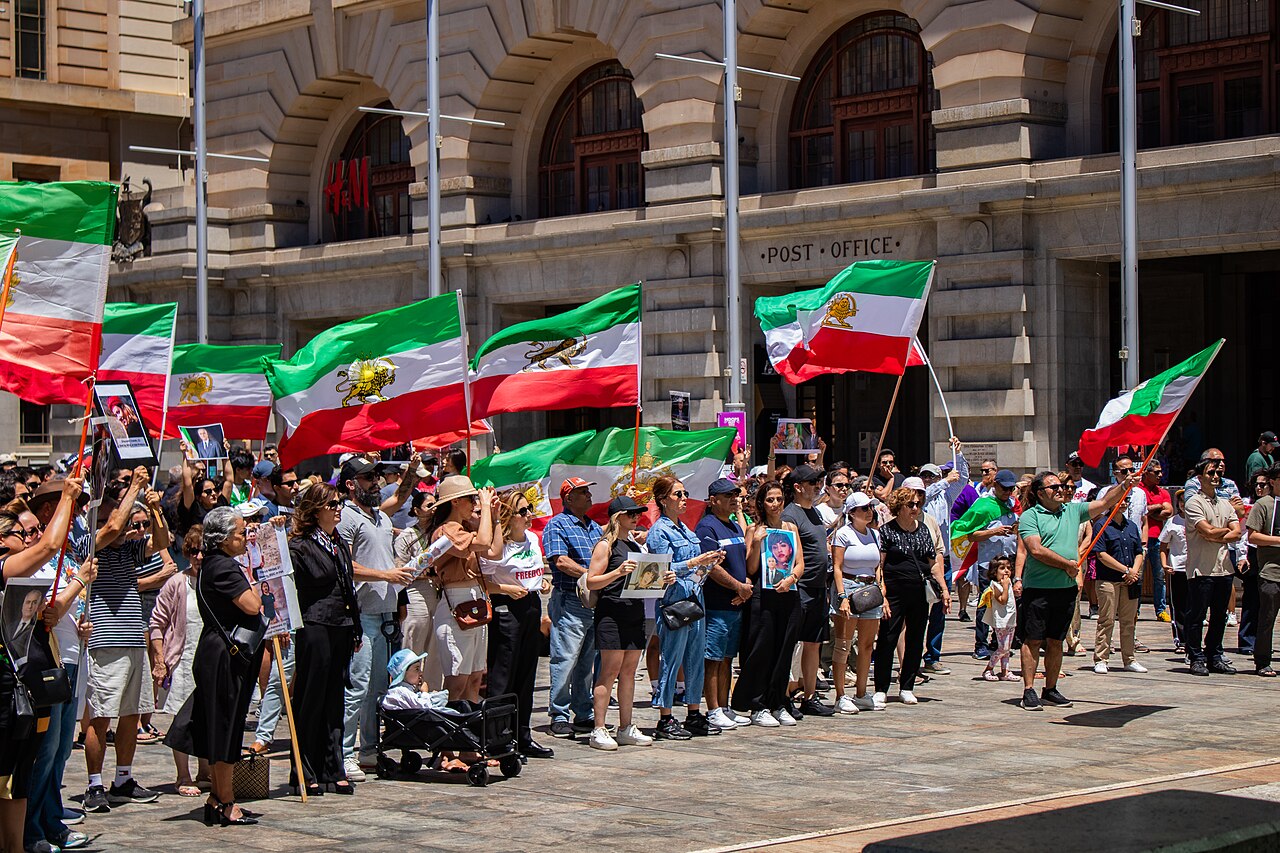
According to the BBC, Mohammadi's hanging was the first officially announced execution tied to Iran's January protests - protests that, according to the U.S.-based Human Rights Activists News Agency, left at least 7,000 people dead, among them hundreds of children. The demonstrations spread to 180 cities across all 31 of Iran's provinces, sparked by economic collapse and quickly widening into demands for political change - one of the most serious challenges to Iran's clerical establishment since 1979.
Mohammadi was not the only one hanged that week. A day before his execution, Iran hanged dual Iranian-Swedish national Kouroush Keyvani, convicted of spying for Israel - drawing a sharp response from Sweden's foreign minister, who said the legal process "had not been legally secure."
As the executions mounted, more Olympians came forward.
Tyler Clary, the U.S. gold medal swimmer from the London 2012 Games, called what is happening in Iran "a brutal reminder of what that regime stands for." He described the process that led to Mohammadi's death as what appeared to be a sham proceeding and added that moments like this make clear why principled international leadership matters.
Eli Bremer, a U.S. modern pentathlete at the 2008 Beijing Games, said he was beyond disgusted, calling the execution of a teenage iconic athlete proof of how deeply depraved the Iranian leadership is. AJ Edelman, a two-time Olympian competing for Israel in bobsled and skeleton, framed Mohammadi's death in the language of sacrifice - saying the young wrestler was hanged for envisioning an Iran free from the regime's brutality, and that his cause was just.
These voices joined those already on record. Olympic gold medal wrestler Brandon Slay - who has traveled to Iran twice for the sport - called the execution heartbreaking and grounded his response in faith. "My prayers are with Saleh Mohammadi's family and all who are suffering," Slay said. "In the face of such oppression, I hold to the hope of the Gospel of Jesus Christ - the only light that overcomes darkness."
Iran's judiciary insisted the men were convicted of killing two police officers during protests in Qom, and that the Supreme Court had upheld their sentences. Rights organizations maintain the confessions were coerced and the trials closed. Mohammadi's family said he was not present during the violence. President Trump had warned in January that "strong action" would be taken if protesters were executed. Iran proceeded anyway.
Other athletes remain in detention, including a footballer, a water polo goalkeeper, a marathon runner, a kickboxing champion, and a teenage footballer. Human rights advocates warn further executions tied to the January protests remain possible.
Saleh Mohammadi was 19. He was a national team wrestler. His last public post was about returning from injury and holding on beyond what he ever imagined for himself. For the global community of believers praying for persecuted people in closed nations, his story is not simply a sports tragedy - it is a reminder of what faith costs in places where speaking freely can be treated as a crime against God.
Related Article: Why Was Iranian Wrestler Saleh Mohammadi Executed Under Mojtaba Khamenei, Iran's New Supreme Leader?


