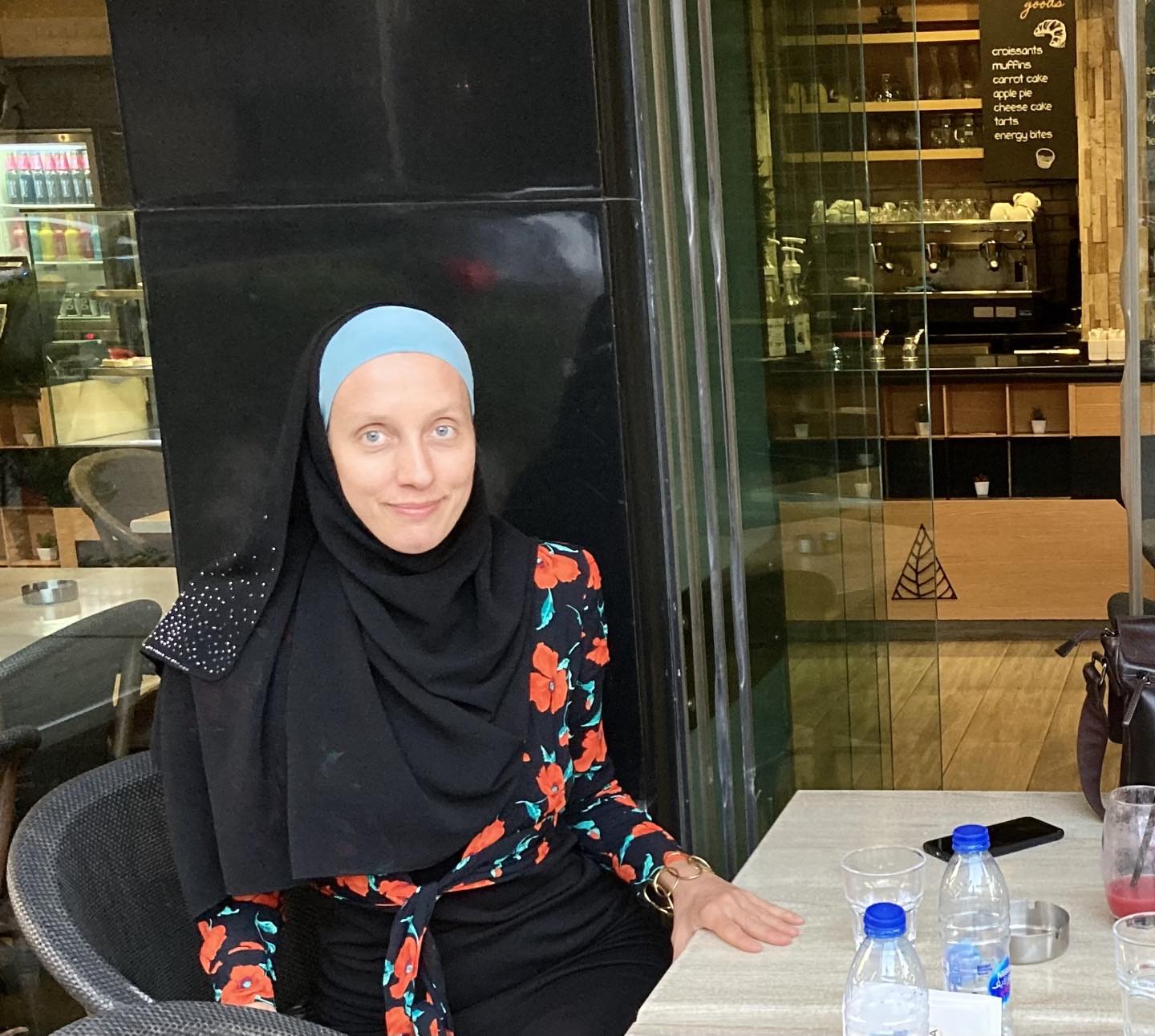
As news continues to unfold surrounding the kidnapping of American journalist Shelly Kittleson in Baghdad, many are now asking a deeper question: Who is Shelly Kittleson, and what brought her to one of the world's most dangerous regions?
Kittleson is a freelance journalist with years of experience reporting from conflict zones, particularly in the Middle East. Her work has appeared in multiple international outlets, including Al-Monitor, where she has contributed in-depth coverage on political tensions, regional instability, and the human impact of war in countries such as Iraq and Syria.
Based in Rome but frequently traveling to high-risk areas, Kittleson has built a reputation for on-the-ground reporting, often choosing to be physically present in the regions she covers. This kind of journalism, while essential for accurate storytelling, comes with significant personal risk-something that has now become central to the global concern for her safety.
Colleagues and media organizations have described her as a dedicated and experienced reporter, committed to telling stories that are often overlooked or underreported. Her work has focused not only on political developments but also on how conflict affects everyday lives, giving voice to communities caught in the middle of ongoing crises.
Recent reports indicate that Kittleson had been warned of potential threats prior to her abduction, including risks linked to Iranian-backed militia groups operating in Iraq. Despite these warnings, she remained in the country to continue her reporting-highlighting the difficult choices journalists often face when covering volatile regions.
For many foreign correspondents, leaving a story behind can mean losing critical access and perspective. Remaining on the ground, however, can mean navigating unpredictable and dangerous conditions. Kittleson's situation reflects this tension, where journalistic mission and personal safety intersect in complex ways.
Her kidnapping has also brought renewed attention to the broader risks faced by journalists worldwide. According to international media watchdog groups, reporters working in conflict zones continue to face threats including abduction, violence, and intimidation-especially in regions with active militia presence and political instability.
While much about her current situation remains unclear, the response from the global journalism community has been swift. Media organizations, advocacy groups, and officials have all called for her safe and immediate release, emphasizing the importance of protecting journalists who work to inform the public under difficult circumstances.
For many observers, Kittleson's work represents more than just reporting-it reflects a commitment to truth in places where information can be difficult to obtain. In a world where conflict often dominates headlines, journalists like her play a crucial role in helping others understand what is really happening on the ground.
At the same time, her story is prompting reflection on the cost of that work. It serves as a reminder that behind every headline is a human life-one that often operates in environments shaped by uncertainty, danger, and difficult decisions.
As efforts to secure her release continue, Kittleson's story is not only about a developing crisis, but also about the vital role-and risk-of journalism in today's world. For many, it also raises a deeper reflection on courage, purpose, and the enduring pursuit of truth even in the most challenging circumstances.
Related Article: Journalist Shelly Kittleson Kidnapped in Baghdad: Why She Stayed Despite Warnings?


