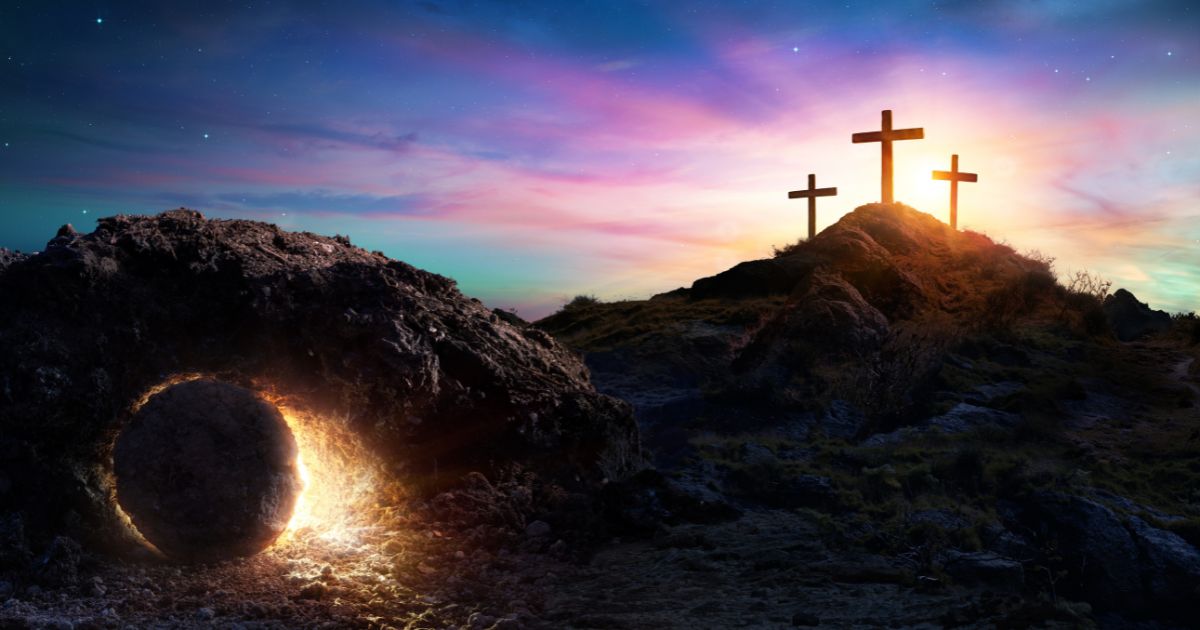
As Easter Sunday 2026 is celebrated around the world, one powerful image continues to stand at the center of the Christian faith-the empty tomb. While many are familiar with the phrase "He is risen," the deeper question remains: why does the empty tomb still matter today, more than 2,000 years later?
According to the Gospels, the discovery of Jesus' empty tomb marked a turning point in history. Early on that first Easter morning, women who came to mourn instead became the first witnesses to the resurrection. What they found wasn't just surprising-it changed everything. The stone had been rolled away, and the tomb was empty, signaling that death had not had the final word.
For Christians, the empty tomb is not just a detail in the story-it is the foundation of their faith. Without it, the message of Easter would lose its power. The resurrection is seen as proof that Jesus is who He claimed to be and that His promises of eternal life are trustworthy. This is why churches across the globe place such emphasis on Easter Sunday, often calling it the cornerstone of Christian belief.
But beyond theology, the message of the empty tomb continues to resonate in everyday life. In a world filled with uncertainty, loss, and brokenness, the resurrection represents hope that extends beyond circumstances. It speaks to the possibility of new beginnings, restoration, and a future not defined by past failures.
In today's Christian music scene, this theme remains central. Many worship songs sung during Easter services highlight victory over death and the promise of new life. From traditional hymns to modern worship anthems, the message echoes the same truth: hope is alive because the tomb is empty.
Churches also use this moment to invite reflection. For some, Easter marks a renewal of faith; for others, it becomes a starting point for spiritual curiosity. The empty tomb challenges both believers and seekers to consider what it truly means if the resurrection is real.
As Holy Week 2026 concludes, the significance of Easter extends far beyond a single day on the calendar. The empty tomb continues to inspire faith, shape worship, and influence millions of lives around the world.
More than a historical event, it remains a living message-one that continues to call people toward hope, faith, and transformation.
Related Article: Easter Sunday 2026: What Christians Celebrate and Why It Changes Everything


