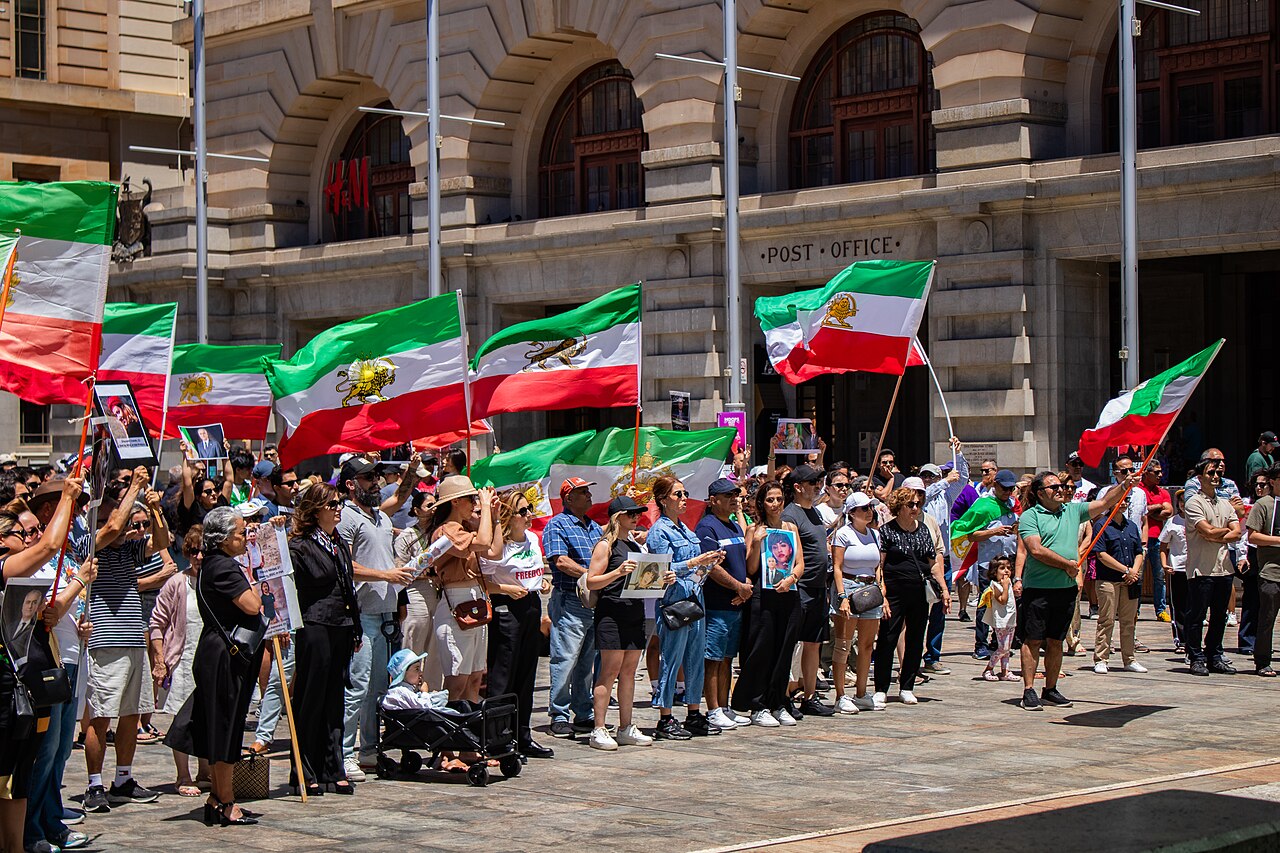
Modern-day Iran does not appear by that name in the Bible, but it is widely identified with the ancient kingdom of Persia, a nation that features prominently throughout Scripture and continues to be discussed in connection with biblical prophecy.
In the Old Testament, Persia emerges as a major world power used by God in a pivotal moment of redemptive history. Under King Cyrus, the Persian Empire allowed the Jewish people to return from exile and rebuild Jerusalem, fulfilling prophetic promises and reshaping Israel's future. The region is also associated with Elam, another ancient territory located within present-day Iran, which appears in prophetic texts such as Jeremiah, where both judgment and eventual restoration are described.
The New Testament likewise reflects the presence of people from this region. In Acts 2, individuals identified as Parthians, Medes, and Elamites were among those who heard the Gospel at Pentecost, underscoring the early global reach of Christianity and the inclusion of people from across the Persian world.
Iran's connection to biblical prophecy is most often linked to passages in the Book of Ezekiel, particularly chapters 38 and 39, where Persia is listed among a coalition of nations that come against Israel in a future conflict. Many interpreters associate this reference with modern Iran and see it as part of a broader alliance sometimes described as Gog and Magog. These passages portray a dramatic confrontation that ultimately results in divine intervention, reinforcing the theme of God's sovereignty over nations and history.
At the same time, Christian perspectives on these prophecies vary. Some view them as literal future events involving contemporary geopolitical players, while others understand them symbolically, representing broader patterns of opposition to God's people. Scholars often caution against drawing overly precise connections between ancient prophetic texts and modern political developments, emphasizing the importance of interpreting Scripture within its original context.
Taken together, the Bible presents Persia not only as a nation involved in future-oriented prophecy but also as an instrument in God's unfolding plan of restoration. This dual role highlights a consistent biblical theme: God works through and over all nations, weaving both judgment and redemption into the larger story of Scripture.
As interest in global events continues to grow, so too does curiosity about how ancient biblical references relate to the modern world. Iran's identification with Persia ensures that it remains part of that ongoing conversation, situated within a narrative that ultimately points beyond any single nation to the purposes of God in history.


