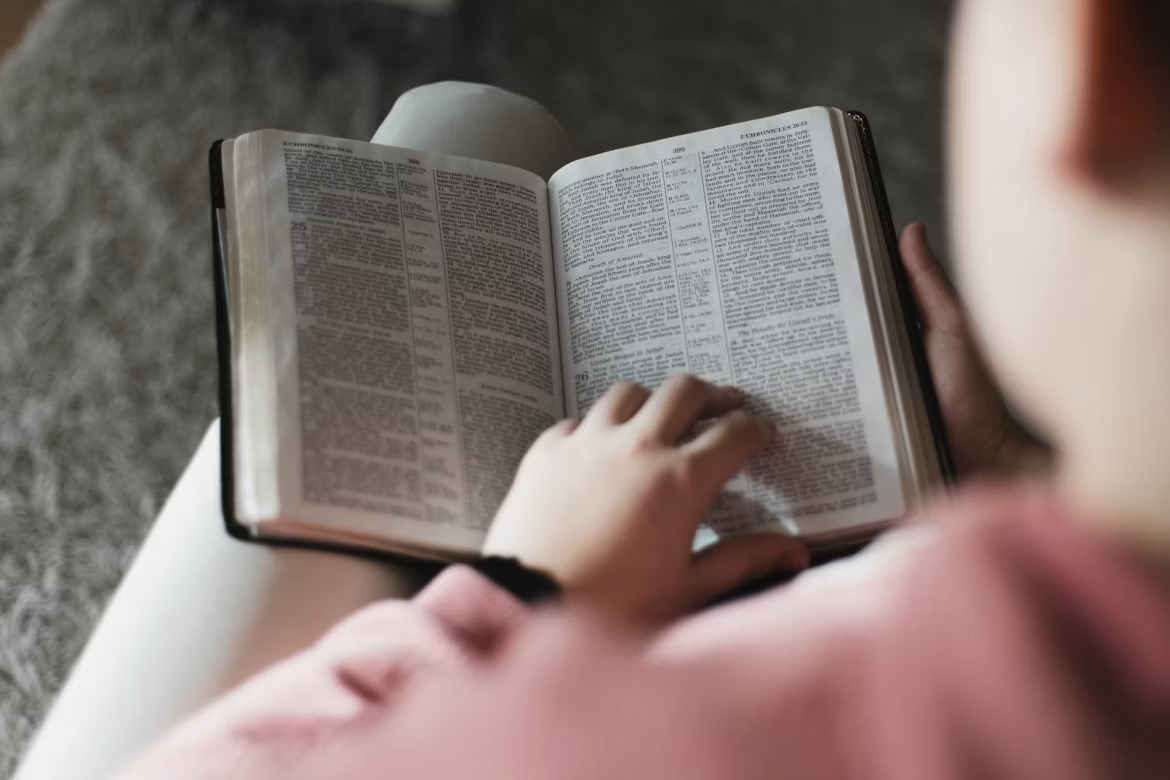
Texas has officially become the first state in the nation to mandate Bible stories as required reading in public schools - and the vote is already sending ripples across the country.
The Texas State Board of Education voted 9-5 Friday to approve a required reading list for more than 5 million public school students that includes Bible stories alongside classic literary works.
The plan mandates that every title on the list be read "in its entirety" and goes far beyond a 2023 law that required at least one state board-approved literary work to be taught in each grade level.
The list is sweeping. Elementary students will be required to read picture-book versions of "David and Goliath" and "Daniel and the Lion's Den." Middle schoolers must read passages from the Sermon on the Mount, while high school students are assigned Adam and Eve and the Parable of the Prodigal Son. The New Testament passages will be read from the King James Bible.
The reading list will take effect during the 2030-31 school year. At the same meeting, the board also approved a rewrite of K-8 social studies curriculum that ties Bible stories more closely to American history and deemphasizes world history and global cultures.
Supporters say the move reflects the nation's Judeo-Christian heritage. "When we teach classical literature and social studies with biblical foundations, we are not simply preserving great books," said one supporter who testified before the board. "We're helping raise young men and women who love truth, pursue wisdom and recognize God's hand throughout history and human experience."
Opponents pushed back hard. Critics argued the list lacks diversity and blurs the constitutional separation of church and state.
The Texas Freedom Network noted that children of all faith backgrounds are served by Texas public schools and warned that mandating a specifically Christian text sends a message that only one religion is worthy of required study.
The board's curriculum also requires specific Bible translations, raising concerns from Catholic families and non-Protestant Christians who use different versions.
Texas already mandates the display of the Ten Commandments in classrooms and allows public schools to hire chaplains to counsel students - making this latest move part of a broader, years-long direction in the state's education policy.
For Christians who have long believed Scripture belongs in the public square, the vote may feel like a long-awaited moment.
But it also raises a question the Church itself has wrestled with for generations: does faith take deeper root when it is required by law, or when it is freely chosen? That conversation is only beginning.
Related Article: Ten Commandments in Classrooms? Court Ruling Sparks National Debate on Faith and Freedom


