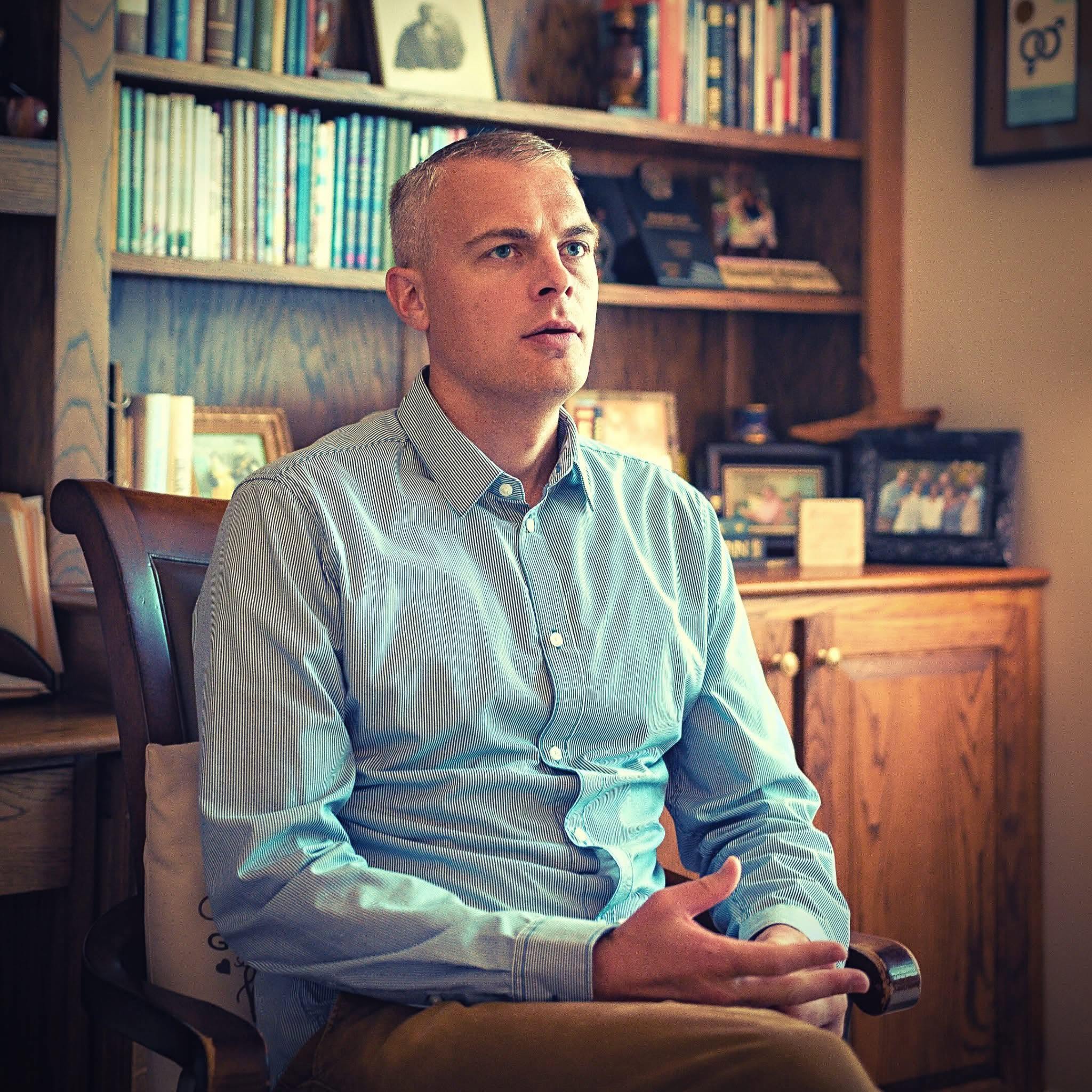
The theological debate over praying to saints is heating up, and Dr. Gavin Ortlund is not backing away from his Protestant position.
The pastor, author, and president of Truth Unites recently released a follow-up video after his original discussion of prayer to the saints attracted pushback from Christian apologists and online content creators. At the center of the latest dispute is a provocative comparison: If Christians accept the doctrine of the Trinity even though the word "Trinity" does not appear in Scripture, could praying to saints also be accepted as a legitimate biblical inference?
Ortlund's answer is an emphatic no.
The Protestant theologian argues that the two doctrines do not rest on comparable biblical foundations. Although the word "Trinity" is absent from the Bible, Christians developed the doctrine to account for numerous passages concerning the Father, Son, and Holy Spirit. Ortlund maintains that praying to deceased believers lacks that kind of cumulative scriptural support.
The controversy began after Ortlund published a 22-minute video titled "Should Christians Pray to Saints?" on August 31. In it, he challenged the idea that believers on earth should address prayers or requests to Christians who have died.
Catholic teaching distinguishes between worship, which belongs to God alone, and asking Mary or the saints to intercede before God. Catholics therefore reject the accusation that requesting a saint's intercession amounts to worshipping that saint. Nevertheless, Ortlund believes the practice remains unsupported by Scripture and the earliest centuries of Christian history.
He argues that the Bible contains numerous teachings and examples concerning prayer but does not show faithful believers directing requests to departed saints. He also maintains that clear evidence of the practice is missing from the first 200 years of church history.
That position quickly generated responses, leading Ortlund back before the camera to answer his critics. But before addressing their theological arguments, he issued a warning about the tone of the debate. He urged fellow Christians to engage his reasoning instead of speculating about his motives, attempting to discredit him personally, or behaving as though his position were too ridiculous to deserve serious consideration.
Ortlund also emphasized a distinction that can easily disappear once the debate becomes heated: believing that saints in heaven may pray for Christians on earth is not the same as believing that Christians should pray to those saints.
He appears willing to consider the possibility that departed believers intercede for the church. His objection concerns whether living Christians have biblical permission to address those believers directly and ask for their help. In Ortlund's view, one idea does not automatically establish the other.
The discussion becomes even more sensitive when Mary enters the picture. Ortlund has expressed concern about what he considers excessive language directed toward Mary in some medieval prayers. For Protestants already worried that Marian devotion can blur the line between honor and worship, those texts may appear to confirm their fears. Catholics, however, insist that official church teaching reserves worship for God and understands Marian prayer as a request for intercession.
Behind the online clash lies a much larger question: How should Christians determine whether a practice is genuinely biblical when Scripture does not address it in precisely the form later Christian traditions use?
Ortlund believes the doctrine of the Trinity emerges necessarily from biblical testimony, while prayer to saints does not. His critics are likely to keep challenging that distinction-and judging by his follow-up response, Ortlund is more than ready to continue the conversation.


