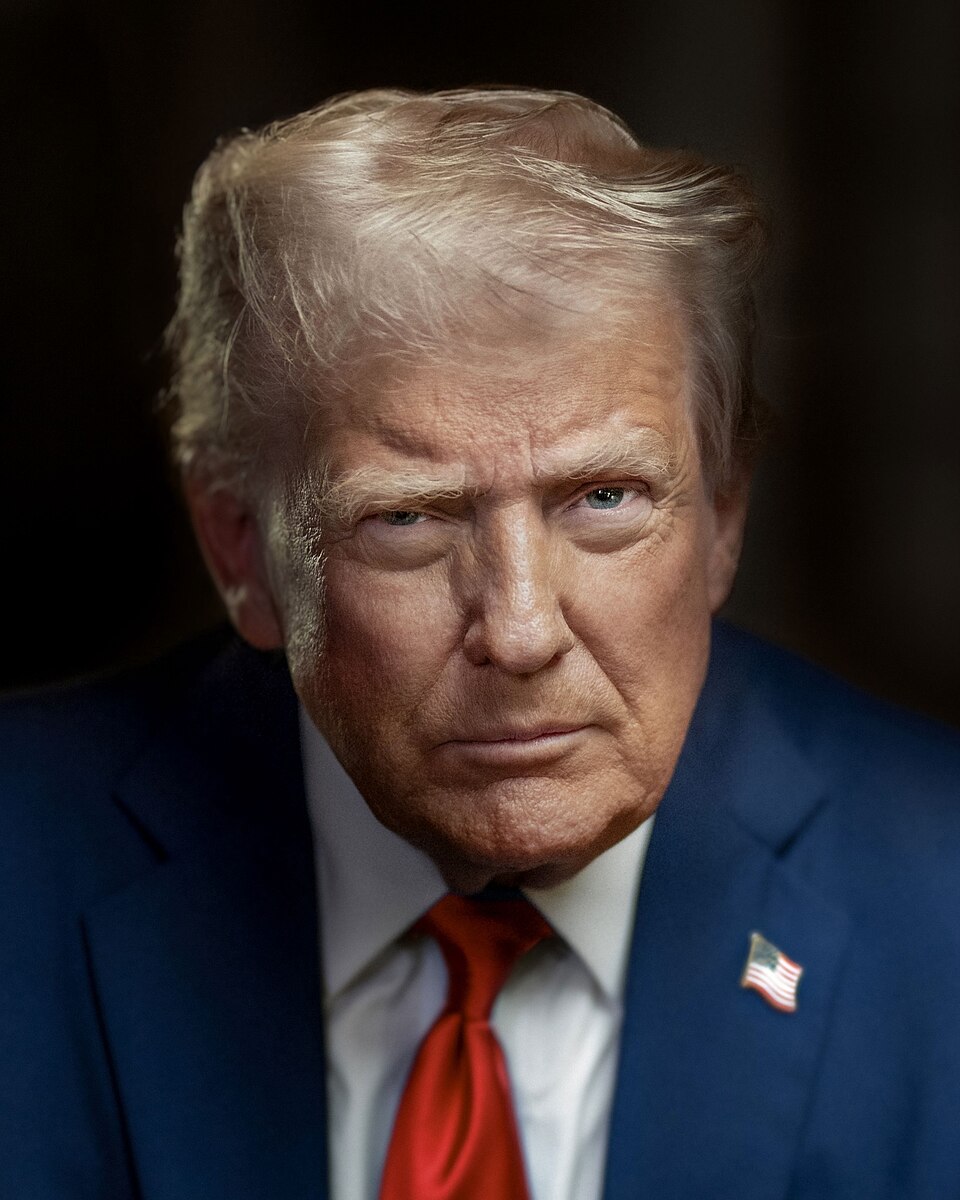
President Donald Trump returns to the House chamber Tuesday night to deliver the first State of the Union address of his second term, stepping into a moment shaped by economic uncertainty, immigration debates and growing attention toward the 2026 midterm elections.
The address is scheduled for 9 p.m. ET on Feb. 24 at the U.S. Capitol. While the Constitution simply requires the president to update Congress "from time to time" on the state of the nation, the modern State of the Union has become far more than a formal duty. It is a nationally televised event, a political temperature check, and often a preview of the battles ahead.
Trump has already indicated the speech will be extensive. "It's going to be a long speech because we have so much to talk about," he said ahead of the address.
Here's what to know before it begins.
When and How to Watch the 2026 State of the Union
The speech will be delivered before a joint session of Congress inside the House chamber. Vice President JD Vance and House Speaker Mike Johnson are expected to sit behind the president, as tradition dictates. Members of Congress, Supreme Court justices and invited guests will also attend.
Viewers can watch the State of the Union live through:
-
Major broadcast and cable news networks
-
The White House official website
-
The White House YouTube channel and social platforms
-
Network streaming apps (including Roku, Amazon Fire TV, Apple TV and mobile apps)
-
SiriusXM news and political talk channels
ABC News and other major outlets will provide live coverage and analysis before and after the address.
Last year's joint address to Congress drew tens of millions of viewers, according to Nielsen, underscoring the continued national focus on the annual speech.
A High-Stakes Moment for the Presidency
This year's State of the Union arrives at a pivotal point in Trump's second term.
Lawmakers remain in negotiations over funding for the Department of Homeland Security, with disagreements centered in part on immigration enforcement policies. The speech also comes as Republicans and Democrats look ahead to midterm elections that could shift control of Congress.
Recent polling from national surveys suggests Americans remain divided on key issues such as inflation, tariffs, immigration and foreign policy. Economic views differ sharply along party lines, and affordability concerns - particularly health care, food and housing costs - remain widespread.
Tuesday night's address may serve not only as a constitutional obligation but as a defining message heading into an election year.
Immigration and Border Policy in Focus
Immigration has been a central issue throughout Trump's second term and is expected to feature prominently in the address.
Negotiations over Homeland Security funding continue on Capitol Hill, and immigration enforcement policies have remained a flashpoint in national debate. Federal data show migrant encounters at the U.S.-Mexico border have declined compared with prior years - a statistic administration officials have emphasized.
At the same time, public opinion research shows Americans hold nuanced views on immigration. While a majority supports a strong security presence at the border, surveys indicate most Americans oppose ending all asylum applications and express concern about certain enforcement practices.
How the president frames immigration policy could shape both legislative talks and campaign messaging in the months ahead.
The Economy, Tariffs and Cost of Living
Economic conditions are expected to be a central theme of the speech.
Surveys conducted earlier this year show that most Americans rate the national economy as fair or poor. Concerns about health care costs, housing prices, food expenses and consumer goods remain high.
Trade policy may also take center stage. The Supreme Court recently struck down key elements of the administration's tariff policy, creating uncertainty around one of Trump's signature economic strategies. The president has since indicated he is considering alternative tariff structures.
With inflation and affordability dominating voter concerns, any economic proposals outlined Tuesday night will likely receive close scrutiny.
Foreign Policy and Global Tensions
Foreign policy is also expected to be addressed.
Reports indicate the administration has been evaluating options related to Iran's nuclear program. White House officials have suggested that additional clarity on the administration's approach may come during the speech.
Trump has characterized his second term as one focused on strengthening America's global position. However, public opinion remains divided over the extent of U.S. involvement in international conflicts, including developments in Venezuela and the Middle East.
With Supreme Court justices present in the chamber following recent rulings affecting administration policy, the speech will unfold against the backdrop of ongoing discussions about executive authority and judicial oversight.
Energy and Environmental Policy
Energy development and environmental regulation may also be part of the address.
Recent public opinion surveys show strong support for expanding renewable energy sources such as solar and wind, alongside growing bipartisan support for nuclear energy. Meanwhile, the administration has rolled back certain environmental regulations, including emissions-related policies.
Americans remain divided over whether environmental regulations can be reduced while still protecting air and water quality. Any new proposals in this area could become key policy debates moving forward.
The Democratic Response
Following the president's speech, Virginia Gov. Abigail Spanberger is scheduled to deliver the official Democratic response. Party leaders have indicated she will focus on lowering everyday costs, protecting health care and defending constitutional principles.
California Sen. Alex Padilla will deliver the Spanish-language response.
While some lawmakers have announced alternative programming outside the chamber, most members of Congress are expected to attend the address.
Why This Speech Matters
The State of the Union is often symbolic - applause lines, invited guests and carefully crafted messaging. But it is also strategic.
For Trump, this first State of the Union of his second term offers an opportunity to:
-
Outline legislative priorities
-
Respond to recent court decisions
-
Address economic concerns
-
Frame the immigration debate
-
Set the tone ahead of midterm elections
Whether the speech shifts public opinion or simply reinforces existing divisions remains to be seen. What is certain is that Tuesday night's address will offer a clear snapshot of how the administration views the nation's current challenges - and the direction it hopes to pursue next.


