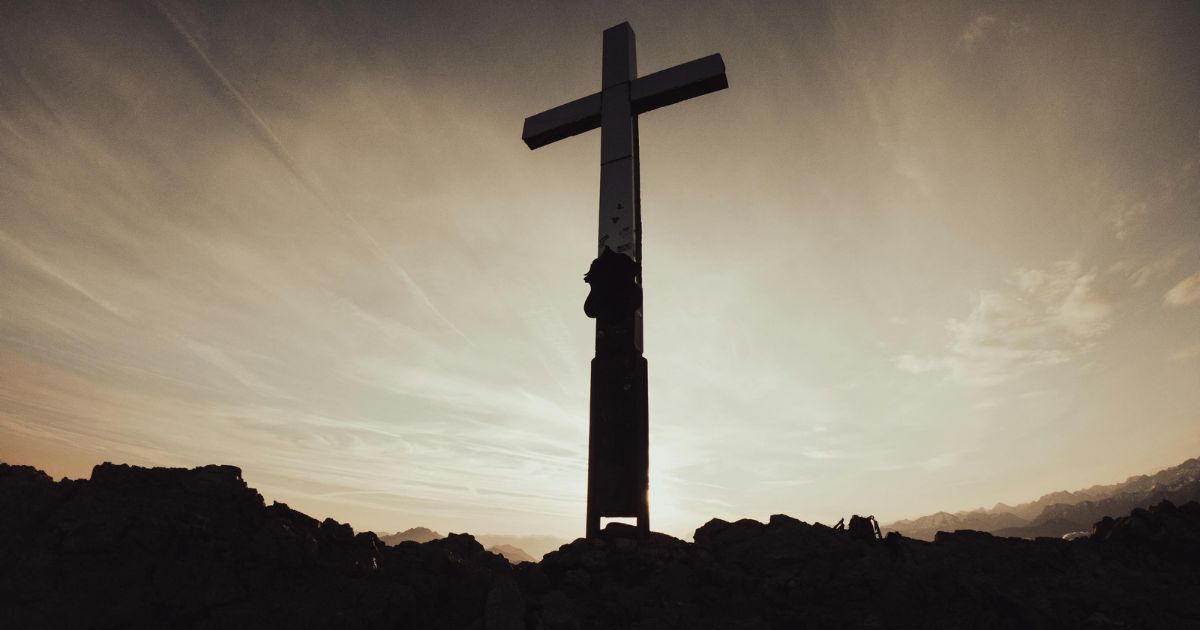
Good Friday falls on April 3, 2026 - three days from now - and every year the same questions flood Google: Is it a holiday? Is my bank open? Do schools close? And for millions of Christians walking through Holy Week, a deeper question sits underneath all of those: what is this day actually asking of us?
Here are the answers to all of it.
Is Good Friday a federal holiday in the United States?
No. Good Friday is not a U.S. federal holiday. Federal offices and post offices remain open. That surprises a lot of people - but all federal holidays in the United States are non-religious, with Christmas Day being the only exception. Good Friday does not make the list.
It is, however, a state holiday in approximately 12 states, including Connecticut, Delaware, Hawaii, Indiana, Kentucky, Louisiana, New Jersey, North Carolina, North Dakota, and Tennessee, where state government offices close and some schools follow suit. If you live in one of those states, check your local district - closures vary.
What about banks, the stock market, and schools?
The Federal Reserve operates normally on Good Friday, which means most commercial banks stay open. The major exceptions are the New York Stock Exchange and NASDAQ, both of which close - making Good Friday one of only nine market holidays on the U.S. calendar, despite it not being a federal holiday.
School closures depend entirely on your state and district. In states where Good Friday is a state holiday, schools are generally closed. Everywhere else, it is a normal school day unless your district has designated it otherwise.
Why is it called "Good" Friday?
It is one of the most-asked questions of Holy Week - and the answer is simpler than most expect. The word "good" derives from an archaic English usage meaning "holy" or "observed as a religious occasion" - the same sense in which "Good Book" refers to the Bible. The day is considered good not because its events were anything less than devastating, but because of what Christians believe those events accomplished: atonement, redemption, and the restoration of the broken relationship between humanity and God.
What do Christians actually do on Good Friday?
Good Friday is the most solemn day in the Christian calendar - and the observances reflect that weight.
Many Catholic, Lutheran, Anglican, and Methodist churches hold the Three Hours' Agony service from noon until 3 PM - the hours Scripture records darkness covering the land until Jesus' death on the cross. Catholic churches strip their altars bare and muffle their bells as a sign of mourning. The Stations of the Cross - a guided meditation through the 14 moments of Jesus' journey to Calvary - are prayed in churches across denominations throughout the day and evening.
Catholic rules on Good Friday require abstaining from meat and fasting - one full meal and two smaller meals that together do not equal a full meal - for those between 18 and 59. Orthodox Christians traditionally fast completely until the afternoon service. Protestant fasting is voluntary and varies by denomination and individual practice.
Beyond the formal services, many Christians use Good Friday as a day of quiet - limiting entertainment, sitting with Scripture, and letting the weight of the crucifixion land before the celebration of Easter Sunday. John 18-19, which recounts the full Passion narrative, is the passage most widely read on this day across traditions.
Good Friday is not the destination. It is the necessary road. The same cross that makes April 3 the most solemn day of the year is what makes April 5 the most joyful.
Related: Holy Week 2026: Full Guide to Every Day, What It Means, and Why It Matters
Related: Holy Monday 2026: What Jesus Did the Day After Palm Sunday and Why It Still Matters
Related: Palm Sunday 2026: When It Is, What It Means, and How Christians Around the World Celebrate It


