Maundy Thursday falls on April 2, 2026. Of all the days in Holy Week, this one may carry the most layers - the most tenderness, the most gravity, and the most weight of what is coming.
In a single evening, Jesus hosted a dinner, washed His disciples' feet, broke bread, poured wine, predicted a betrayal, and then knelt alone in a garden and asked if there was any other way.
There wasn't. And He knew it before He asked.
What does "Maundy" actually mean?
The word comes from the Latin mandatum - meaning commandment. It derives directly from what Jesus said at the Last Supper, recorded in John 13:34: "A new command I give you: Love one another. As I have loved you, so you must love one another."
Maundy Thursday is therefore not named after what Jesus did - it is named after what He said. The commandment to love became the defining instruction of the entire Christian life, delivered on the night everything was about to fall apart.
The Last Supper: What actually happened in that upper room
Jesus and His twelve disciples gathered in a borrowed upper room in Jerusalem - a space arranged in advance under deliberate secrecy, with Jesus giving His disciples cryptic instructions to follow a man carrying a water jar through the city. The room was ready. The meal was the Passover - the ancient feast commemorating Israel's deliverance from Egypt. Jesus would reframe it entirely.
During the meal, He took bread, broke it, and said: "This is my body, given for you. Do this in remembrance of me." He took the cup of wine and said it was His blood, poured out for the forgiveness of sins. What had been a memorial of the Exodus for over a thousand years became, in that moment, a new covenant - pointing forward to the cross that was now less than 24 hours away.
Every Communion table in every church around the world traces directly back to that room.
The moment no one expected: Jesus with a towel
Before the meal, Jesus did something that stunned the disciples into silence. He rose from the table, wrapped a towel around His waist, poured water into a basin, and began to wash His disciples' feet - the task reserved for the lowest servant in a household.
Peter refused. "You shall never wash my feet," he said. Jesus answered: "Unless I wash you, you have no part with me." Peter immediately asked for a full bath.
What makes this moment staggering is the context John provides right before it: Jesus knew the Father had put all things under His power. He knew He had come from God and was returning to God. And with that full awareness of who He was - He picked up a towel. The King of the universe, on His knees, at the feet of the men who would abandon Him within hours.
The Garden of Gethsemane: The prayer that cost Him everything
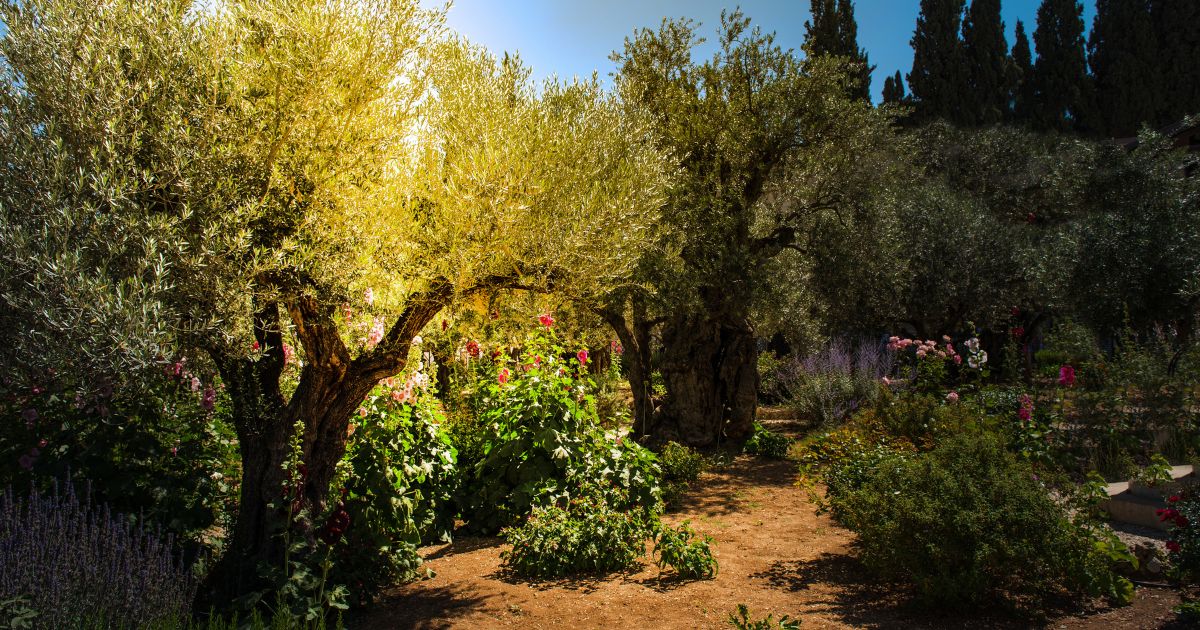
After the supper, Jesus led His disciples across the Kidron Valley to an olive garden called Gethsemane - a name that means "oil press." He asked eight of them to wait at the entrance, took Peter, James, and John deeper into the garden, and then went a little further still - alone.
What follows is one of the most sacred and humanly raw passages in all of Scripture. Jesus fell to the ground and prayed: "Father, if you are willing, take this cup from me; yet not my will, but yours be done." Luke records that His sweat became like drops of blood - a rare medical condition known as hematidrosis, documented in cases of extreme psychological anguish, where stress causes capillaries near sweat glands to rupture.
Three times He prayed. Three times He returned to find His closest disciples asleep.
An angel appeared and strengthened Him. Then He rose, woke the disciples, and said: "Let us go. Here comes my betrayer."
He had made His choice in that garden. Not under compulsion - but in full surrender.
What Maundy Thursday means for believers today
Churches around the world hold special services on Thursday evening, many including foot-washing ceremonies and Communion. Some traditions observe Tenebrae - a service of shadows in which candles are extinguished one by one as the story moves toward the crucifixion, ending in complete darkness as a symbol of what Saturday would feel like.
Maundy Thursday is also traditionally the day many churches strip their altars bare after the evening service - removing all cloth, candles, and ornamentation - leaving them empty through Good Friday as a symbol of grief and waiting.
The invitation of this day is not complicated. It is to sit with Jesus in the upper room. To receive what He offers - bread, wine, a commandment to love. And then to follow Him, even as far as the garden, where the hardest prayers are prayed and the hardest choices are made.
He went there knowing
The detail that lingers longest about Gethsemane is this: Judas knew the place. John 18:2 notes that Jesus had often met there with His disciples. It was a known spot - a regular gathering place. Jesus did not hide. He went to the garden knowing Judas would come. He knelt and prayed knowing the torches were already being lit on the other side of the valley.
The cup did not pass. And He drank it - for every person who would ever kneel in their own kind of garden, asking God if there was another way.
Holy Week continues.
Maundy Thursday is the fifth of seven sacred days leading to Easter Sunday on April 5, 2026. Tomorrow - Good Friday, April 3 - the story moves to the cross.
Related: Holy Wednesday 2026 "Spy Wednesday": The Day Judas Made His Move and Why It Still Haunts Us
Related: Holy Tuesday 2026: What Jesus Taught in the Temple the Day Before Everything Changed
Related: Holy Monday 2026: What Jesus Did the Day After Palm Sunday and Why It Still Matters
Related: Palm Sunday 2026: When It Is, What It Means, and How Christians Around the World Celebrate It
Related: Holy Week 2026: Full Guide to Every Day, What It Means, and Why It Matters


