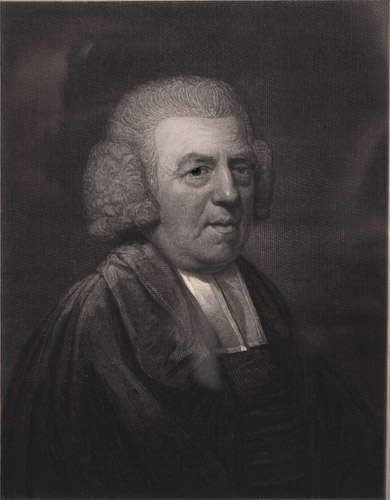
You have heard "Amazing Grace" sung at funerals, churches, graduations, and memorials. You have probably sung it yourself. But most people who know every word of that hymn do not know the man behind it, and his story is far more remarkable, and far more complicated, than the song alone.
John Newton wrote "Amazing Grace" in 1772. He was a former slave trader turned abolitionist, and it has since become the most well-known and most-sung hymn on the globe.
But the path that got him there was anything but simple.
Newton was born in London in 1725. By 1745, he was enlisted in the slave trade, running captured enslaved people from Africa to Charleston, South Carolina. He was not a reluctant participant. He was an active one.
At 18, he was forcibly recruited into the Royal Navy. When he attempted to desert, he was caught, imprisoned, and flogged. Eventually he found himself working on a slave ship - a trade he would later come to renounce.
The turning point came at sea. In 1748, a violent storm nearly sank the ship he was aboard off the coast of Ireland. It was in that moment of terror that Newton cried out to God - and his life began to change.
But change did not come overnight. Newton continued working on slave boats even after his conversion. Grace, it turned out, was a long journey for the man who would write about it so beautifully. He was ordained an Anglican priest in 1764 and became an important voice in the English abolitionist movement.
In a pamphlet Newton wrote in 1788, he described his deep regret: "It will always be a subject of humiliating reflection to me that I was once an active instrument in a business at which my heart now shudders."
Newton's influence on William Wilberforce, the member of Parliament who led the charge to abolish British slavery was enormous. Newton's own testimony as a former slave trader was critical in securing British abolition.
During the 1960s, "Amazing Grace" became a prominent anthem of the American Civil Rights Movement, resonating with activists seeking justice and transformation.
In 2015, President Obama led mourners in singing it at the funeral for victims of the Charleston church shooting, the very city where Newton once delivered enslaved human beings.
The wretch the song speaks of was real. The grace that saved him was too. And 250 years later, the world is still singing about it.


