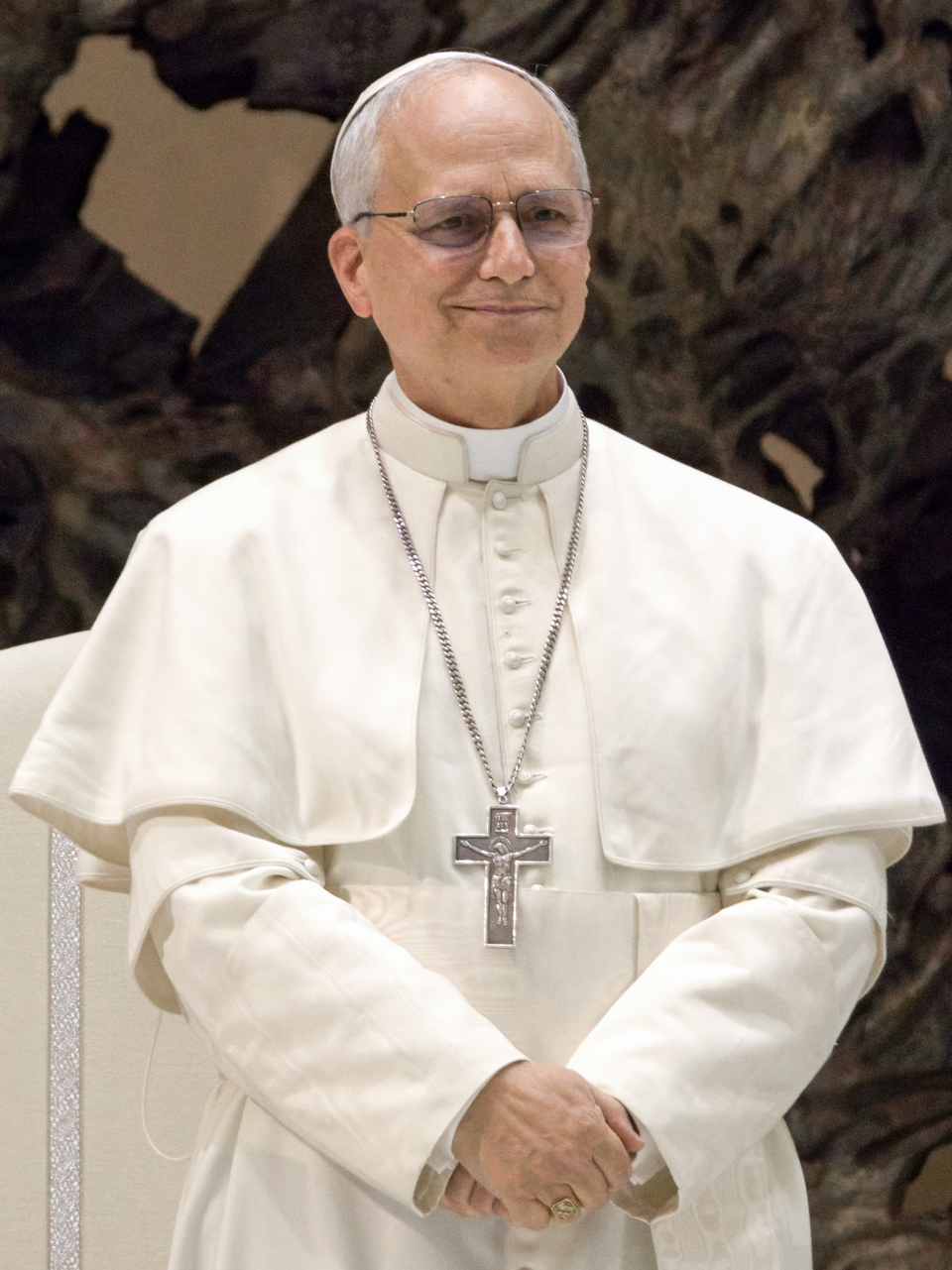
Pope Leo XIV is leading the Catholic Church through Holy Week for the first time as pope - and the world is paying attention to every word and every step.
This Good Friday, April 3, the 70-year-old pontiff will personally carry the cross through all 14 stations of the Via Crucis at Rome's Colosseum. It will be the first time a pope has carried the cross for every station since the tradition was revived at the site more than six decades ago. His predecessors Benedict XVI and John Paul II carried it only at the opening and closing. Pope Francis, in his final years, did not attend at all.
Leo explained his decision simply. "I think it will be an important sign because of what the pope represents: a spiritual leader in today's world, a voice to say that Christ still suffers. And I carry all these sufferings in my prayers as well," he told reporters.
That line - Christ still suffers - has defined his entire Holy Week.
At his Palm Sunday Mass in St. Peter's Square on March 29, Leo delivered one of the most direct statements on war any pope has made in recent memory. "Brothers and sisters, this is our God: Jesus, King of Peace, who rejects war, whom no one can use to justify war," he declared before tens of thousands of faithful. God, he said, does not hear the prayers of those whose hands are full of blood - a message aimed squarely at world leaders on all sides of the U.S.-Israel war on Iran and the ongoing conflict in Ukraine.
He did not stop there. "Precisely as the Church contemplates the mystery of the Lord's Passion, we cannot forget those who today truly share in His suffering," Leo said. "At the beginning of Holy Week, we are closer than ever in prayer to the Christians of the Middle East, who suffer the consequences of a terrible conflict and in many cases cannot fully live the rites of these holy days."
It was not abstract theology. It was a direct, pastoral cry on behalf of believers who cannot even gather to observe Easter.
The week carried its own painful symbol. On Palm Sunday, Israeli police initially barred the Latin Patriarch of Jerusalem and other church leaders from entering the Church of the Holy Sepulchre - an episode the Vatican formally described with "regret," raising serious concerns about freedom of worship. An agreement was later reached allowing access for the Easter Triduum, but the moment underscored exactly what Leo had been preaching.
Speaking from Castel Gandolfo on March 31, Leo described Christ as "still crucified today," and expressed cautious hope that political leaders might yet find a way out of violence - without softening his message about what the Church believes Easter ultimately declares.
On Easter Sunday, April 5, Pope Leo XIV will celebrate Mass in St. Peter's Square and deliver the Urbi et Orbi blessing - his first as pope - from the central balcony of St. Peter's Basilica, speaking to the city of Rome and to the world.
Whatever he says, he has already said the most important thing this Holy Week: the cross is real, the suffering is real, and the tomb is still empty.


