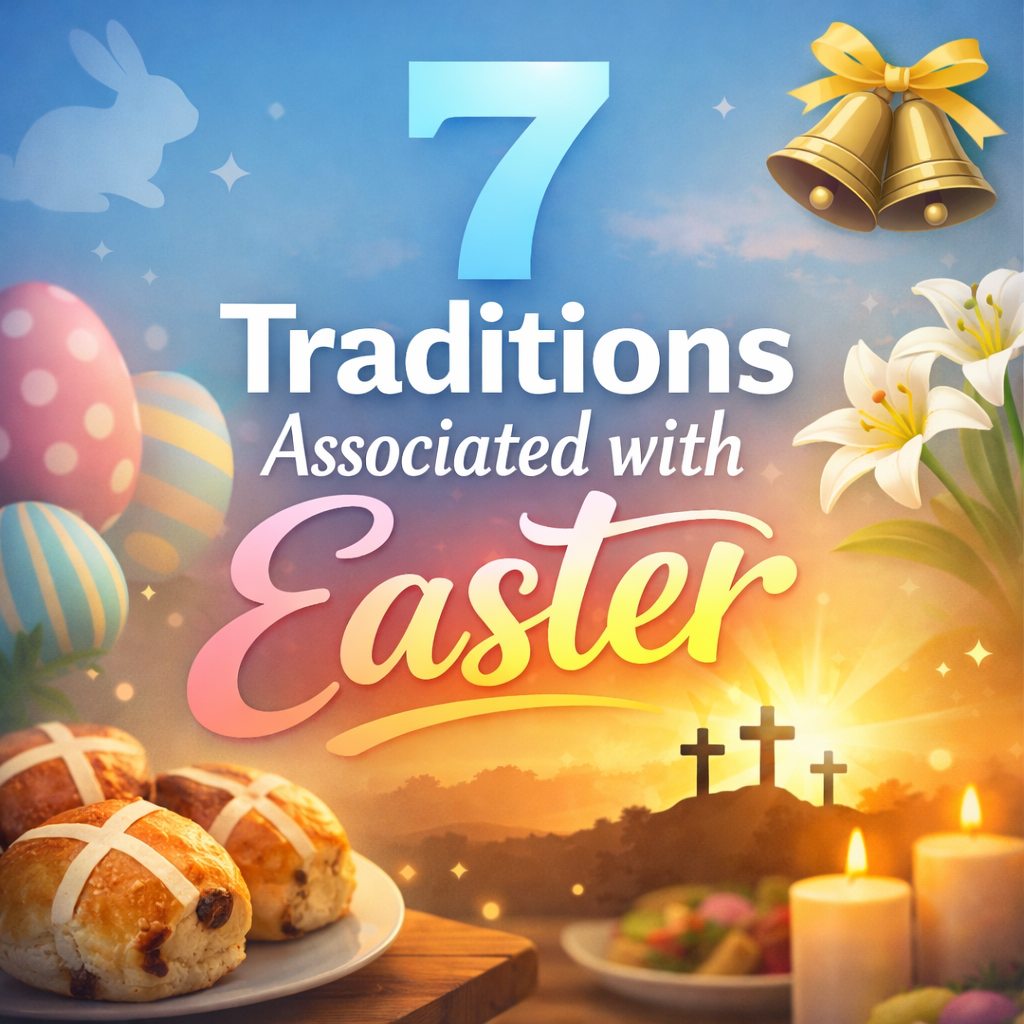
As Christians around the world celebrate Easter, long-standing traditions continue to embody the theological movement from crucifixion to resurrection. These practices are not merely cultural-they carry symbolic depth, often functioning as lived expressions of the Gospel narrative.
1. Hot Cross Buns
Traditionally eaten on Good Friday, hot cross buns are marked with a visible cross that directly points to the crucifixion of Jesus Christ. The spices within the buns are often associated with the burial spices used in Jesus' entombment, linking the act of eating to remembrance. Over time, the tradition has moved beyond liturgical settings into homes and marketplaces, yet it retains its symbolic function: a simple, accessible way to keep the cross central during Holy Week.
2. Easter Eggs
Easter eggs are among the most widely recognized symbols of the season, representing new life and resurrection. In Christian interpretation, the egg's hard shell is often seen as analogous to the sealed tomb of Christ, while the cracking open of the egg symbolizes the resurrection. In some traditions, eggs are dyed red to signify the blood of Christ, reinforcing their theological meaning. Whether used in liturgical symbolism or children's activities like egg hunts, they communicate the core Easter message in a tangible, visual form.
3. Wearing Bright or New Clothing
The practice of wearing bright or new clothing on Easter Sunday reflects themes of renewal, transformation, and new life. Historically, this tradition is connected to early Christian baptismal practices, where new believers would wear white garments as a sign of spiritual rebirth. Today, the emphasis on bright colors-especially whites and pastels-visually mirrors the shift from mourning on Good Friday to celebration on Easter Sunday, making the body itself a participant in the theological narrative.
4. Passion Plays
Passion plays are dramatic reenactments of the final days of Jesus, often depicting His trial, suffering, crucifixion, and sometimes resurrection. These performances serve as a form of embodied storytelling, allowing audiences to engage emotionally and imaginatively with the Gospel accounts. Historically significant in both European and global Christian traditions, Passion plays function not only as artistic expressions but also as catechetical tools, teaching the meaning of Christ's sacrifice through lived drama.
5. Sunrise Services
Sunrise services are held early on Easter morning, intentionally aligning with the Gospel accounts that describe the discovery of the empty tomb at dawn. These services often take place outdoors, using the rising sun as a natural symbol of resurrection and new beginnings. The transition from darkness to light becomes part of the worship experience, reinforcing the theological claim that Christ's resurrection marks the defeat of death and the arrival of new life.
6. Easter Feasting
Following the fasting and restraint of Lent, Easter Sunday is marked by celebration through food. Feasting represents restoration, abundance, and joy after a period of discipline. In many traditions, lamb is served, drawing a connection to both the Passover lamb and the New Testament identification of Jesus as the "Lamb of God." The communal meal reflects not only physical nourishment but also theological fulfillment-the movement from deprivation to provision, from death to life.
7. Church Bells and Festive Worship
In many Christian traditions, church bells remain silent during Good Friday as a sign of mourning and reverence. Their return on Easter Sunday-often accompanied by joyful music and celebratory worship-signals the triumph of the resurrection. The ringing of bells functions as a public proclamation that Christ is risen, extending the message beyond the walls of the church into the surrounding community. This auditory tradition reinforces the shift from silence and grief to joy and declaration.
Together, these traditions form a layered and coherent expression of Easter's central message. Each practice-whether through food, clothing, performance, or worship-participates in telling the same story: that through the death and resurrection of Jesus Christ, new life has entered the world.


