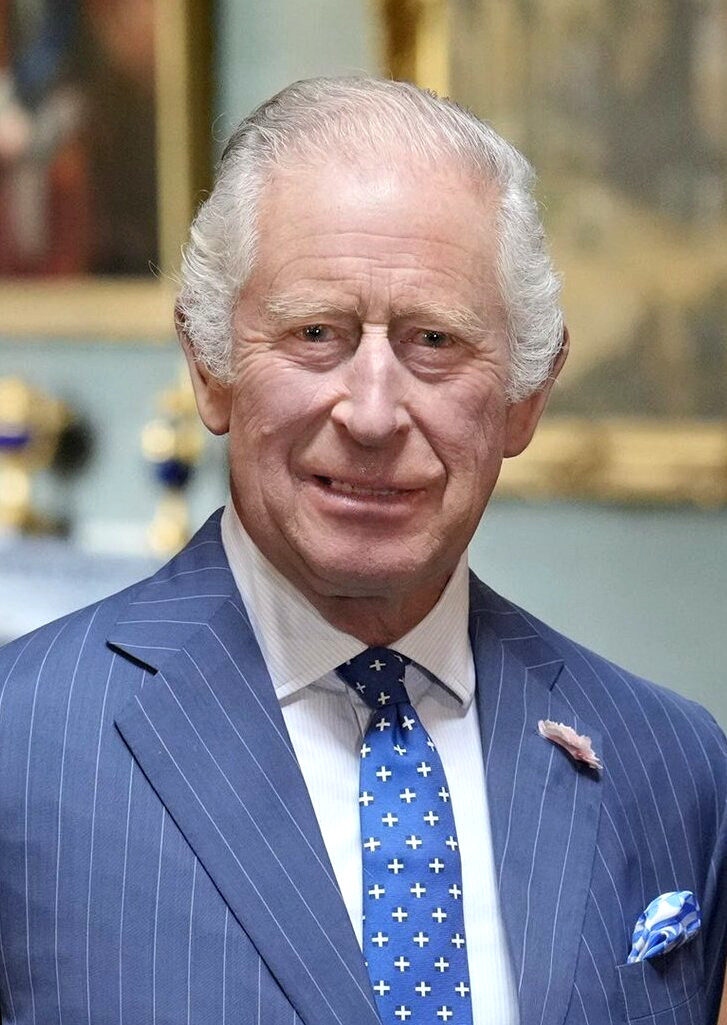
King Charles III is facing growing criticism after choosing not to deliver a formal Easter message this year, a decision that has drawn concern from both the public and prominent Christian voices across the United Kingdom.
According to reporting by The Christian Post, the monarch's absence of an Easter address has raised questions about his role as defender of the Christian faith, particularly given his previous practice of marking the holiday and his recent acknowledgment of other religious observances.
The controversy comes despite the king's participation in the historic Royal Maundy service in Wales, an event tied to centuries of Christian tradition. However, many observers noted that the lack of a public Easter message stood in contrast to expectations surrounding the most significant date in the Christian calendar.
Some Christian leaders voiced disappointment, suggesting the omission signals a broader concern about the place of Christianity within the nation's public life. Others argued the decision may have been misinterpreted, cautioning against assuming intent while acknowledging the sensitivity of the moment.
The situation has also fueled wider public debate online, with some critics questioning whether the move reflects a shift in how the monarchy engages with its historic religious identity. At the same time, voices within the church have called for renewed clarity and encouragement of Christian faith from national leadership during key moments such as Easter.
Since ascending the throne in 2023, King Charles III has navigated a complex religious landscape, often emphasizing interfaith dialogue and inclusivity. While this approach has been welcomed in some quarters, it has also prompted scrutiny among those who believe the monarch carries a distinct responsibility to uphold the nation's Christian heritage.
As discussions continue, the episode highlights the ongoing tension between tradition and modern pluralism within the role of the British monarchy-particularly at a time when questions of faith, identity, and national values remain at the forefront of public discourse.


