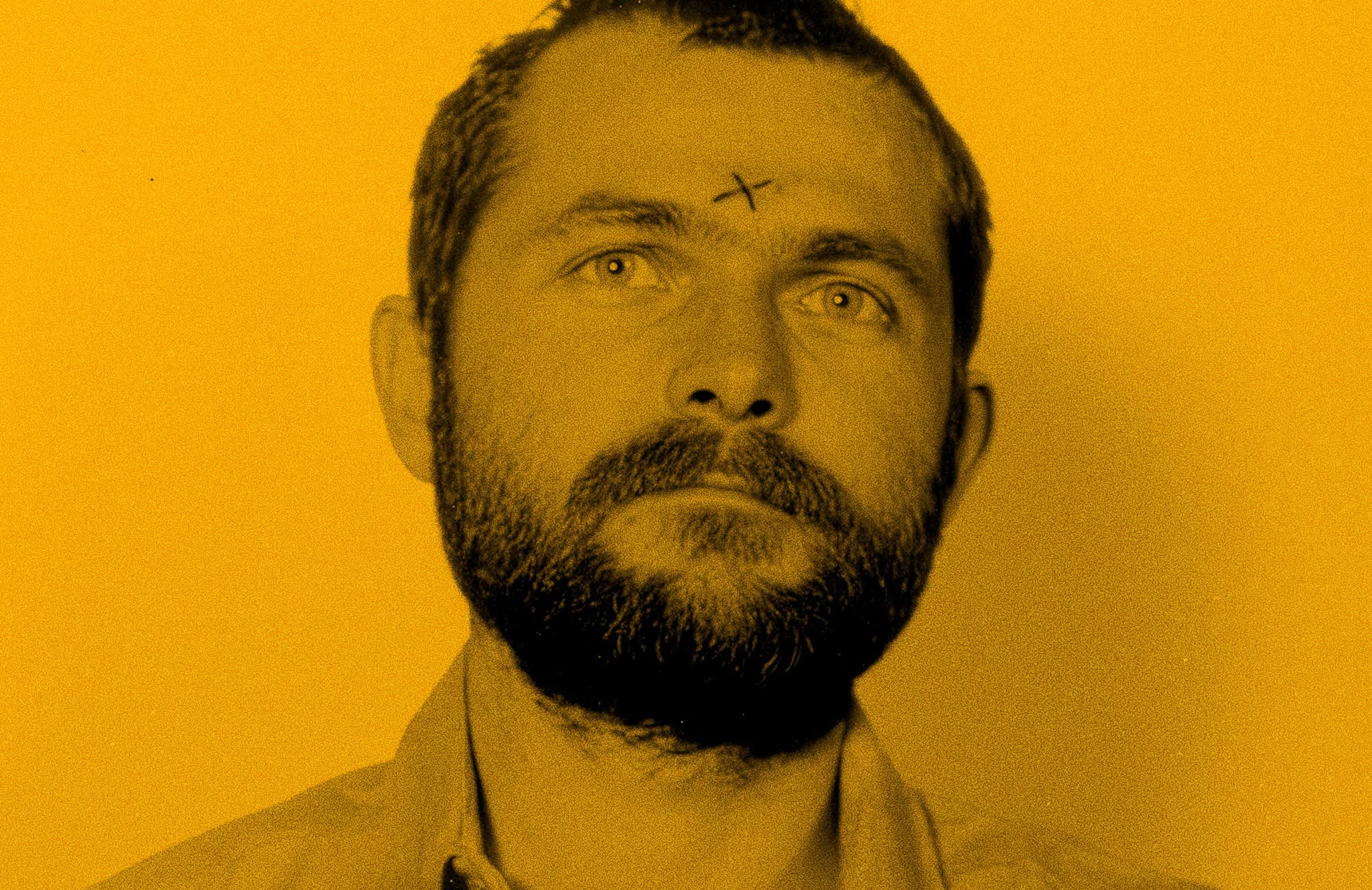
Bruce Davis, the convicted murderer once described as Charles Manson's "right-hand man," has reportedly died in prison at the age of 83-ending a dark story that stretched from the drug-soaked counterculture of the 1960s to more than half a century behind bars.
Davis died on September 11 while serving a life sentence in California, according to reports. His death means that another senior figure from the infamous Manson Family has reached the end of his life in custody, nearly 57 years after the cult's crimes horrified America.
Although Davis was not convicted of participating in the notorious Tate-LaBianca massacre, his own crimes were brutal. In 1972, he was convicted of first-degree murder, conspiracy and robbery for his involvement in the 1969 killings of musician Gary Hinman and ranch worker Donald "Shorty" Shea.
Davis's road to the Manson Family began far from the group's grim base at Spahn Ranch. Born in Monroe, Louisiana, in 1942 and raised in Mobile, Alabama, he edited his high-school yearbook and studied at the University of Tennessee before dropping out. He later traveled to California, drifted through the emerging counterculture and became involved with drugs.
He eventually entered Manson's orbit and rose to become one of the cult leader's closest male followers. Davis even spent several months in London, where he reportedly worked at the Church of Scientology's headquarters, before returning to California as Manson's apocalyptic "Helter Skelter" ideology was taking hold.
That ideology would soon become associated with some of the most shocking killings in American history. Manson surrounded himself with vulnerable young followers, exercised extraordinary psychological control over them and preached about an approaching race war. His followers murdered nine people during the summer of 1969, including pregnant actress Sharon Tate, although Davis was convicted only in connection with Hinman and Shea.
Hinman, a musician and music teacher, was held captive in his Topanga Canyon home in July 1969. Prosecutors said the group was trying to force him to hand over money and property. During the ordeal, Manson slashed Hinman's face and ear with a sword. Hinman was later stabbed to death by Bobby Beausoleil, another Manson follower.
Davis was convicted for his role in the crime even though he was not accused of delivering the fatal stab wounds. Court records connected him to the conspiracy, robbery and events surrounding the killing.
The murder of Donald "Shorty" Shea was even more closely tied to Davis. Shea was a 35-year-old actor, stuntman and ranch hand who worked at Spahn Ranch, the former Western movie set where the Manson Family lived.
Manson reportedly became convinced that Shea had informed police about the group's criminal activities. In August 1969, shortly after authorities raided the ranch, Shea was lured away and attacked. Davis later admitted that he cut Shea with a knife during the killing, according to reporting on his parole proceedings.
Shea's body disappeared so completely that investigators could not recover it for eight years. In 1977, former Manson follower Steve "Clem" Grogan drew a map that led authorities to Shea's remains on a hillside near Spahn Ranch. An examination found evidence of multiple stabbing and chopping injuries as well as blunt-force trauma.
Davis surrendered to authorities in December 1970 after spending months as a fugitive. He was convicted in 1972 and began serving his life sentence that April. California's temporary abolition of the death penalty meant that life imprisonment replaced the possibility of execution.
Behind bars, Davis attempted to present himself as a transformed man. He embraced Christianity, became involved in prison ministry and reportedly served as a preacher in the prison chapel. He also maintained a clean disciplinary record for decades and repeatedly told parole officials that he accepted responsibility for the murders.
Those claims of repentance brought him surprisingly close to freedom. California parole panels found him suitable for release seven times between 2010 and 2021. However, governors repeatedly reversed those decisions, leaving Davis behind bars as the victims' families and prosecutors argued that the seriousness of his crimes still outweighed his rehabilitation.
In 2022, a parole board denied him release again. Davis's attorney said the panel focused partly on what it considered his continuing lack of empathy. The ruling ensured that the man who had once stood near the center of Manson's murderous circle remained imprisoned.
His repeated bids for parole created a bitter debate. Supporters pointed to his Christian conversion, educational achievements and decades without serious disciplinary trouble as evidence that he had changed. Opponents insisted that the passage of time could never erase the terror inflicted upon Hinman, Shea and their families.
Davis's death also closes another chapter in the Manson Family's long and complicated history. Manson himself died in a California hospital in 2017 while serving multiple life sentences. Susan Atkins died in prison in 2009, while Leslie Van Houten was released on parole in 2023 after serving 53 years. Charles "Tex" Watson and Patricia Krenwinkel have remained imprisoned for their roles in the cult's killing spree.
The Manson name has continued to fascinate filmmakers, authors and true-crime audiences, but that fascination can easily overshadow the people whose lives were stolen. Hinman was a musician. Shea was an aspiring actor and stuntman. Sharon Tate was eight-and-a-half months pregnant. The other victims had families, careers and futures that were violently erased.
Davis spent his later years claiming that faith had changed him, but he never persuaded California's governors that he should be allowed to walk free. He ultimately died where he had lived since 1972: behind prison walls, carrying the permanent weight of two murders and his place inside one of America's most notorious cults.


